











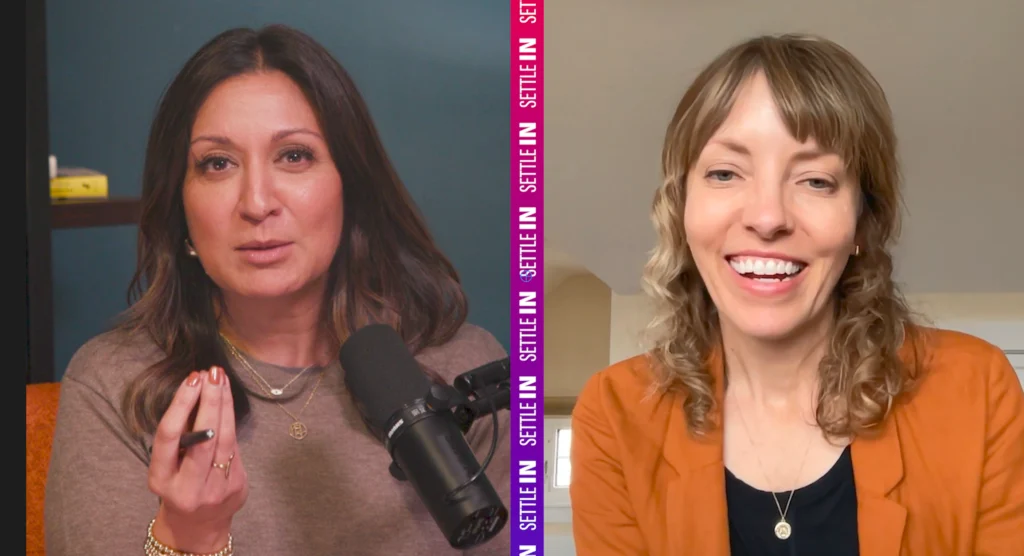
For generations of American parents, the dinner table has frequently transformed into a theater of negotiation. The scene is a familiar one: a plate of steamed broccoli sits untouched, a child declares a meal “gross” before even tasting it, and the parent is left wondering where the instinct for basic nourishment went wrong. According to historian and author Helen Zoe Veit, this isn’t just a phase—it is a cultural phenomenon.
In her latest book, Picky: How American Children Became the Fussiest Eaters in History, Veit argues that the "picky eater" is not a biological inevitability but a distinctly American construct. In a recent appearance on the PBS News series Settle In, Veit sat down with anchor Amna Nawaz to dismantle the myths surrounding children’s diets and explore the historical forces that have turned American kitchens into battlegrounds of taste.
The Historical Genesis: How We Got Here
From "Eat What’s Served" to "The Child’s Choice"
To understand the current crisis of the American dinner table, one must look back at the radical shift in parenting philosophy over the last century. Veit points out that for much of human history, children ate what was available. There was no "kid menu" or separate meal preparation; the survival of the family unit depended on the efficient consumption of whatever resources were at hand.
The shift began in the early 20th century, coinciding with the rise of modern food science and a burgeoning child-centered approach to education. As industrialization made food more abundant and varied, parents began to view their children’s preferences not as a matter of necessity, but as a window into their burgeoning individuality. By the mid-20th century, the "picky eater" had become a recognized character in American pop culture—a quirky, relatable trope that signaled a child’s right to autonomy.
The Marketing of "Kid Food"
The emergence of processed food in the 1950s and 60s served as an accelerant. Food manufacturers quickly realized that there was a lucrative market in catering to the specific, often salt-and-sugar-heavy preferences of children. By creating "kid-friendly" versions of meals—chicken nuggets, fish sticks, and sweetened cereals—the industry inadvertently codified the idea that children have a fundamentally different palate than adults. This commercialization solidified the divide, teaching generations of children that their refusal of vegetables was not just a quirk, but a legitimate consumer preference.
Chronology: The Evolution of the American Meal
The trajectory of American eating habits can be traced through several distinct eras, each leaving a mark on how we feed our children today:
- Pre-1900s (The Era of Necessity): Children were expected to adapt to the adult table. Food was fuel, and scarcity dictated that waste was not an option.
- 1920s–1940s (The Nutritional Science Boom): The introduction of vitamins and the rise of home economics began to turn the act of feeding children into a scientific endeavor. Parents became obsessed with "optimal" growth, leading to increased anxiety over what children consumed.
- 1950s–1970s (The Convenience Revolution): The post-war era brought frozen meals and fast food. The "kid menu" became a staple in restaurants, effectively creating a siloed food culture for children.
- 1980s–2000s (The Choice Economy): The supermarket landscape exploded with thousands of new options. Parenting culture shifted toward "gentle parenting," where children’s opinions were prioritized, often at the expense of dietary variety.
- Present Day (The Reckoning): A growing body of research, including Veit’s work, is now questioning the long-term impacts of these habits on public health, fueling a push toward "food neutrality" and exposure-based feeding.
Supporting Data: The Scope of the Problem
The data surrounding child nutrition and food refusal is stark. According to various pediatric health studies, approximately 20% to 50% of parents report that their children exhibit signs of "picky eating" at some point during early childhood.
The Nutritional Gap
While most children eventually grow out of the most extreme forms of food selectivity, the habits formed during these years often persist into adulthood. Research indicates that children who are consistently catered to with highly processed "kid foods" are statistically more likely to maintain a low intake of dietary fiber, vitamins A and C, and essential minerals throughout their teenage years.
The Economic Factor
Veit emphasizes that the "picky eater" phenomenon is not distributed equally. Socioeconomic status plays a significant role in how parents navigate food refusal. In households with limited time and tight budgets, the risk of "wasting" a meal that a child might refuse is a significant financial burden. This leads many parents to rely on "safe foods"—items they know their child will eat, regardless of nutritional value—to ensure their children do not go hungry.
Official Responses and Expert Perspectives
In her conversation with Amna Nawaz, Veit noted that parents are often the primary targets of the "picky eating" blame game. However, she argues that the responsibility lies with a cultural system that has failed both the parent and the child.
Pediatricians and Nutritionists
The medical community has shifted its stance on the issue over the last decade. Historically, doctors might have encouraged parents to "force" children to clear their plates. Today, the prevailing advice is centered on the "Division of Responsibility" in feeding, a model developed by Ellyn Satter. Under this framework, the parent is responsible for what, when, and where food is served, while the child is responsible for whether they eat and how much.
"The goal," Veit explains, "is to remove the emotional charge from the dinner table. When eating becomes a battle, the child learns to associate food with anxiety rather than pleasure or nourishment."
Implications: Reclaiming the Dinner Table
The implications of this cultural shift are profound, impacting everything from public health outcomes to the basic structure of the American family.
The "Kid Food" Trap
One of the most dangerous implications of the modern picky-eating culture is the infantilization of the palate. By shielding children from complex flavors, textures, and ingredients, we may be limiting their sensory development. Veit argues that children are far more capable of enjoying diverse cuisines than we give them credit for, provided they are exposed to them in a low-pressure environment.
Strategies for Change
For parents looking to pivot away from the "picky" dynamic, Veit offers several evidence-based strategies:
- Neutral Exposure: Serve new foods alongside "safe" foods without forcing the child to eat the new item. Simply having the food on the table, even if it is not consumed, is a form of exposure that lowers the child’s fear of the unknown.
- Avoid the "Kid Menu" Mentality: Whenever possible, serve the same meal to the entire family. When children see their parents eating and enjoying a wide variety of foods, they are more likely to emulate that behavior through observational learning.
- Involvement in Preparation: Bringing children into the kitchen—whether it’s washing vegetables or stirring a pot—increases their sense of agency. A child who helps grow or prepare a carrot is significantly more likely to taste it.
- Remove the Reward System: Using dessert as a bribe for eating vegetables inadvertently teaches the child that vegetables are "punishment" and dessert is the "prize." By normalizing all foods, parents can help children develop a healthier relationship with sugar and nutrients alike.
The Cultural Pivot
Ultimately, Veit’s work suggests that we need a cultural shift in how we view the act of eating. If American society continues to treat the child as a distinct consumer group with specific, narrow tastes, we will continue to struggle with the health consequences of a limited diet.
"The American child is not naturally picky," Veit concludes. "They are the product of a culture that has optimized for convenience, speed, and the avoidance of conflict at the dinner table. If we want to change the outcome, we have to change the culture."
As families navigate these complexities, the takeaway from Picky is one of grace rather than guilt. The path to a diverse palate is not paved with force-feeding or strict adherence to a nutritional checklist, but with consistency, exposure, and the recognition that the dinner table should be a space for connection, not a battlefield for control. Whether or not the future of American eating will look different remains to be seen, but as the conversation expands, it is clear that the solution begins with a more mindful approach to the very first bite.