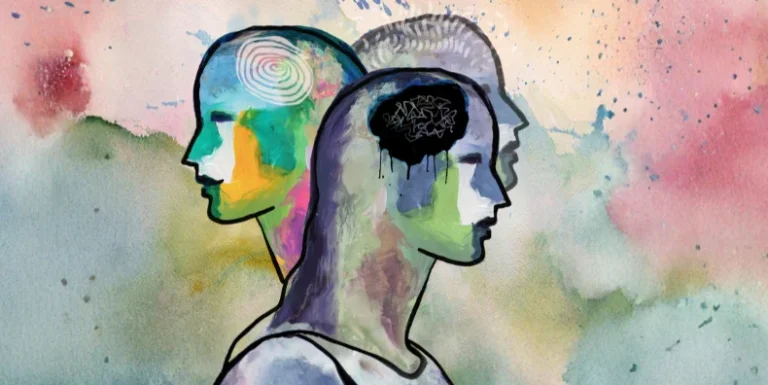












As the northern hemisphere tilts away from the sun, a significant portion of the population finds itself grappling with more than just a drop in temperature. For millions, the arrival of the "5 p.m. darkness" signals the onset of a profound psychological and biological shift. While the cultural narrative of the winter months—and the holiday season in particular—emphasizes joy, connection, and celebration, the clinical reality for many is a period of exhaustion, emotional withdrawal, and a pervasive sense of emptiness.
This phenomenon, commonly referred to as the "winter blues" or more formally diagnosed as Seasonal Affective Disorder (SAD), represents a complex intersection of environmental triggers and internal chemistry. Far from being a personal failing or a lack of holiday spirit, seasonal depression is a scientifically recognized condition that requires proactive management and, in many cases, professional intervention.
Main Facts: Defining the Scope of Seasonal Depression
Seasonal Affective Disorder is not merely a transient bad mood; it is a recurring type of major depression that follows a seasonal pattern. While most cases occur during the fall and winter months, the impact on public health is substantial.
Prevalence and Demographics
According to clinical data, approximately 5% of the population in the United States experiences SAD annually. In Canada, where winter days are shorter and sunlight is scarcer, roughly 2% to 3% of the population meets the diagnostic criteria for SAD, while an additional 15% experience a milder form of the "winter blues."
The Diagnostic Threshold
The distinction between the "winter blues" and clinical SAD often lies in the severity and duration of symptoms. Those suffering from the disorder typically experience:
- A persistent low, dysthymic mood.
- Increased social withdrawal and isolation.
- Changes in appetite, often involving a craving for carbohydrates.
- Hypersomnia (oversleeping) coupled with daytime fatigue.
- A significant loss of interest in previously enjoyed activities.
Medical professionals emphasize that while not everyone hits the clinical threshold for a SAD diagnosis, any seasonal dip in mental well-being is valid and worthy of attention. The cultural pressure to be "festive" can often mask these symptoms, leading individuals to suffer in silence.

Chronology: The Seasonal Descent
The progression of seasonal depression typically follows the solar cycle, beginning as the days shorten in late September and October.
The Autumnal Onset
As the "equinox effect" takes hold, individuals may notice a subtle decline in energy. This phase is often characterized by difficulty waking up in the morning and a growing sense of dread regarding the upcoming winter. Unlike standard depression, which can be triggered by specific life events, the onset of SAD is strictly tied to the reduction in photoperiod—the interval of daily light exposure.
The "Holiday Slog"
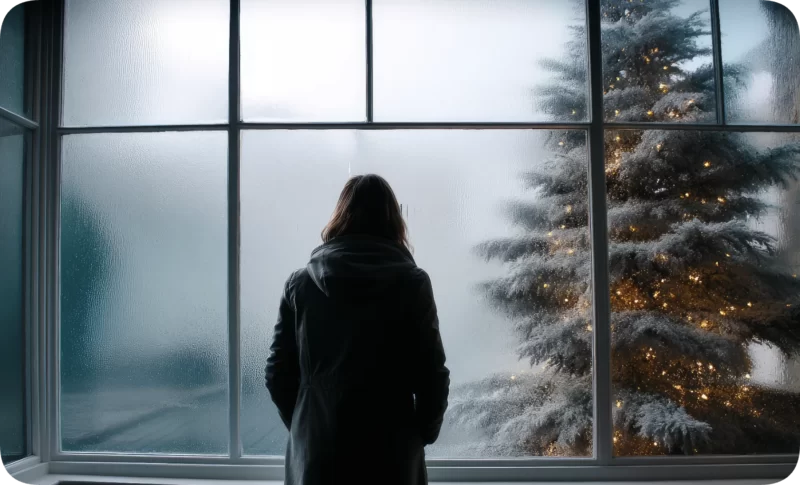
By December, the biological struggle of SAD intersects with the psychological stressors of the holiday season. This period, often called the "Holiday Slog," creates a paradox: the body’s biological urge is to hibernate and conserve energy, while societal expectations demand high-energy social interaction, financial expenditure, and emotional performance. This conflict often peaks between late December and late January, the period of the year with the fewest daylight hours.
The Vernal Recovery
For most, symptoms begin to dissipate in March and April as daylight hours increase. However, the "recovery" phase can be slow, as the body’s circadian rhythm takes time to realign with the changing environment.
Supporting Data: The Biological Mechanics of Darkness
The "science of SAD" is rooted in how the human brain processes light. Research indicates that the disorder is a result of a disruption in three key biological areas: the circadian rhythm, neurotransmitter levels, and hormone regulation.
The Darkness Cascade
When light enters the eye, it sends signals to the suprachiasmatic nucleus (SCN) in the brain, which regulates our internal clock. Reduced sunlight in winter disrupts this clock, leading to a "phase shift" where the body’s internal timing is out of sync with the external world.

- Serotonin Depletion: Sunlight exposure is a primary driver of serotonin production, a neurotransmitter often called the "feel-good hormone." Through both the eyes and skin, sunlight facilitates the synthesis of Vitamin D, which in turn boosts serotonin levels. In winter, this production line slows down, leading to mood drops and increased irritability.
- Melatonin Overproduction: The pineal gland produces melatonin to signal sleep. In the absence of bright light during the day, the body may overproduce melatonin, leading to the persistent lethargy and "brain fog" characteristic of SAD.
- The Vitamin D Factor: Lower levels of Vitamin D are consistently linked to depressive symptoms. During winter months in northern latitudes, it is biologically impossible to synthesize sufficient Vitamin D from the sun, creating a nutritional deficit that compounds the psychological struggle.
Compounding Stressors
Beyond biology, the winter months introduce psychological stressors that exacerbate the condition. Financial anxiety regarding holiday spending, the grief of navigating festivities without lost loved ones, and the "social battery" exhaustion from family dynamics all act as force multipliers for seasonal depression.
Official Responses and Expert Recommendations
Mental health professionals and organizations like GoodTherapy emphasize that managing SAD requires a multi-pronged approach. Experts suggest four primary behavioral strategies to protect mental health during the dark months.
1. The Implementation of Environmental Light
The most direct treatment for a light-deficiency disorder is light itself.
- Phototherapy: Sitting near a specialized 10,000-lux light box for 20–30 minutes each morning can "trick" the brain into suppressing melatonin and boosting serotonin.
- Natural Exposure: Experts recommend opening blinds immediately upon waking and spending at least 20 minutes outdoors during peak daylight hours, even on overcast days.
2. Creating "Anti-Hibernation" Structures
When the brain craves withdrawal, structure acts as a safety net. Maintaining a consistent wake-up time, even on weekends, helps stabilize the circadian rhythm. Clinical psychologists suggest that "productivity for productivity’s sake" is not the goal; rather, the goal is to prevent the downward spiral that occurs when isolation and inactivity feed the depressive state.
3. Strategic Social Connectivity
Social support is a critical buffer against depression, yet it is often the first thing discarded during the "winter blues." Experts advise "micro-connections"—small, low-pressure interactions like a brief phone call or a scheduled coffee date—rather than forcing oneself into large, draining holiday parties.
4. Movement as Neurochemical Management
Physical activity is a proven method for boosting serotonin and endorphins. Health professionals advocate for "low-barrier" movement, such as yoga, indoor walking, or stretching, which provides the benefits of exercise without the psychological hurdle of a grueling gym session in the cold.
Implications: The Role of Professional Therapy
While self-help strategies are effective for many, clinical experts warn that they are not a panacea. When seasonal symptoms interfere with the ability to work, maintain relationships, or function daily, professional therapy becomes essential.
The Efficacy of CBT-SAD
Cognitive Behavioral Therapy (CBT) has been adapted specifically for Seasonal Affective Disorder. CBT-SAD focuses on identifying "negative seasonal cognitions"—thoughts like "I hate winter" or "I can’t do anything until spring"—and replacing them with more balanced perspectives. It also incorporates "behavioral activation," helping patients find enjoyable indoor activities to combat the seasonal loss of outdoor hobbies.
Addressing Comorbidity
Depression rarely exists in a vacuum. A trained therapist can help determine if seasonal symptoms are masking or exacerbating other conditions, such as generalized anxiety disorder (GAD), substance abuse issues, or chronic physical health problems.
Building a Winter Survival Plan: A Strategic Checklist
To move from theory to action, mental health advocates suggest a structured "Winter Survival Plan."
Weekly Objectives:
- Light Exposure: Ensure a minimum of 150 minutes of daylight or light-box exposure per week.
- Social Check-ins: Schedule at least two "micro-connections" with trusted friends or family.
- Movement: Aim for three 20-minute sessions of any physical activity that raises the heart rate slightly.
Monthly Objectives:
- Assessment: Review mood patterns. Are symptoms improving, or is it time to consult a professional?
- Boundary Setting: Identify one holiday or social commitment to decline in favor of rest and self-care.
- Professional Outreach: If symptoms are persistent, use directories like GoodTherapy to match with a specialist in seasonal mood disorders.
Conclusion: Beyond Survival
The most significant shift in addressing Seasonal Affective Disorder is the move from "enduring" to "managing." By acknowledging the biological reality of how light affects the human brain, society can begin to de-stigmatize the winter struggle.
The transition from the "loneliest time of the year" to a season of resilience requires a combination of scientific understanding, behavioral changes, and the courage to seek help. As we navigate the darkest days of the year, the goal is not merely to survive until spring, but to build the sustainable support systems necessary to maintain stability and self-compassion in any season.