







The global fight against tuberculosis (TB)—the world’s deadliest infectious disease—has reached a critical juncture. As researchers race to develop faster, more effective, and more patient-centric treatments, a fundamental shift is occurring in how these trials are conceived and executed. At the heart of this transformation is the European Lung Foundation (ELF) Community Advisory Group (CAG), a cohort of advocates who are ensuring that the cold logic of clinical science is tempered by the lived reality of those the research aims to serve.
At the recent UNITE4TB Annual Meeting, the CAG stood at the forefront of discussions, asserting that for TB research to succeed, it must be designed not just for patients, but with them. This article explores the recent advancements in the UNITE4TB project, the critical role of the CAG, and the future of patient-centered clinical trial design.
The Imperative for Change: Why Patient-Centered Research Matters
Tuberculosis remains a formidable global health challenge. Current treatment regimens are notoriously grueling, often requiring patients to adhere to complex, multi-drug therapies for several months. The physiological side effects, combined with the social stigma of the disease and the economic burden of frequent clinical visits, create significant barriers to treatment adherence.
The UNITE4TB project—a major public-private partnership—is dedicated to accelerating the development of new, shorter, and safer treatment regimens. However, developers have increasingly recognized that a drug’s efficacy in a laboratory setting means little if it is not practical for the patient to complete the course in the real world.
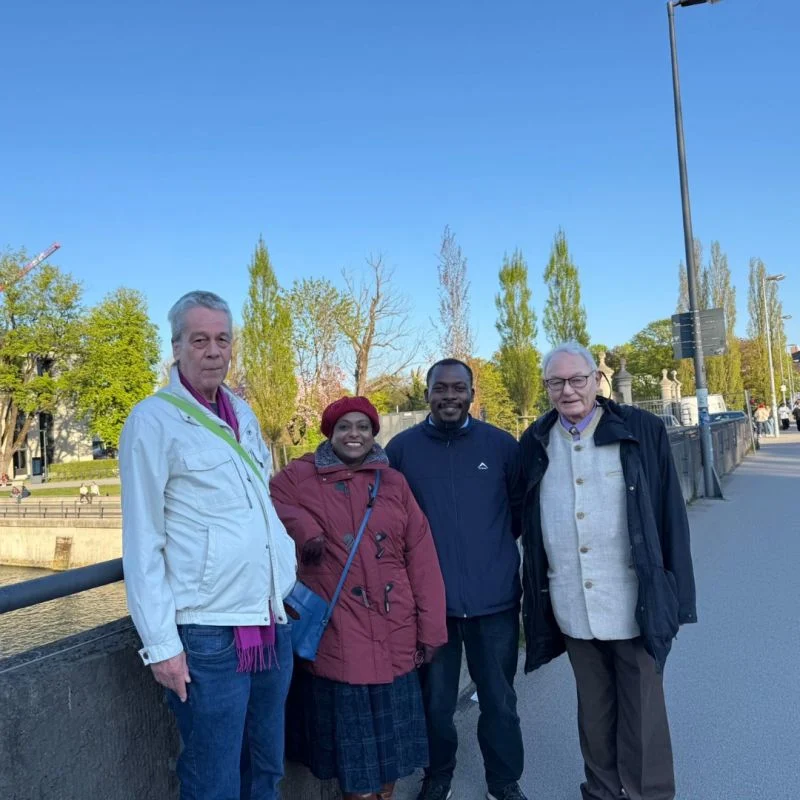
The ELF Community Advisory Group, represented at the annual meeting by Patrick Agbassi, Stephan Dressler, Blessina Kumar, and Paul Sommerfeld, serves as the vital link between the laboratory and the community. Their role is to interrogate trial protocols through the lens of human experience. By advocating for clearer communication, flexible scheduling, and empathetic support systems, the CAG is helping to bridge the gap between abstract scientific milestones and tangible patient outcomes.
Chronology of Collaboration: A Review of the UNITE4TB Meeting
The UNITE4TB Annual Meeting served as a high-level forum to align the goals of clinicians, researchers, and patient advocates. The event was structured to facilitate a multi-directional flow of information:
- Setting the Stage: The initial sessions focused on the current status of TB research, with investigators presenting data on the progress of ongoing clinical trials.
- The Community Dialogue: A pivotal session, chaired by CAG member Paul Sommerfeld, brought together trial site investigators and community advocates to discuss the efficacy of existing engagement strategies.
- The Youth Inclusion Debate: A dedicated Joint Advisory Board session addressed a significant blind spot in current clinical research: the exclusion of children and adolescents.
- Strategic Planning: The meeting concluded with a roadmap for the coming year, emphasizing the necessity of embedding community engagement into the very budget and operational framework of all future trials.
The meeting highlighted that when community engagement is treated as an afterthought, clinical trials often suffer from high dropout rates and poor participant trust. Conversely, when the community is involved from the protocol design phase, the trial becomes more inclusive, efficient, and scientifically robust.
Supporting Data: The Impact of Community Engagement
The evidence supporting the "community-first" approach is becoming increasingly difficult to ignore. During the meeting, trial site investigators shared anecdotal and qualitative data suggesting that early engagement is not merely an ethical obligation, but a logistical advantage.
1. Peer-to-Peer Education
One of the most successful strategies highlighted was the use of former trial participants as peer educators. In environments where trust in medical institutions may be fragile, a peer who has successfully completed a trial serves as a powerful testament to the safety and necessity of the research. This "lived-experience" model has been shown to reduce participant anxiety and improve recruitment rates.
2. Reducing the "Patient Burden"
CAG members pointed to the "everyday demands" placed on participants. When a study requires a patient to commute long distances, take time off work, or navigate confusing consent forms, the likelihood of withdrawal increases. By providing input on logistics—such as the timing of appointments and the clarity of patient information leaflets—the CAG helps researchers design trials that respect the participant’s time and dignity.
3. Financial Integration
A key takeaway from the meeting was the need for dedicated funding for community engagement. Historically, outreach activities were often performed on a volunteer or "best-effort" basis. The consensus at the meeting was that if community engagement is essential for trial success, it must be accounted for in the trial’s operational budget, ensuring that staff are allocated to build relationships with local populations.
Official Perspectives: The Voice of the Advocate
The presence of the CAG at the meeting was defined by a firm, constructive insistence on inclusivity. Blessina Kumar, a prominent voice within the group, encapsulated the sentiment of the delegation in her post-meeting reflection:
"The UNITE4TB Annual Meeting was successful; we were heard, our views and perspectives respected. The CAG made a strong case for the inclusion of children and adolescents in the trials. The meeting also provided an opportunity for learning and sharing; we appreciate the opportunity to hear from the trial site Principal Investigators (PIs). We look forward to interacting with the local Community Advisory Boards across the trial sites in the next few months."
This statement reflects a shift in power dynamics. The CAG is no longer merely "consulted"; they are active partners in the research process. By ensuring that pediatric and adolescent populations—who bear a significant burden of the disease—are represented in future protocols, the CAG is driving the research toward a more equitable future.
Implications: The Road Ahead for TB Research
The implications of these discussions for the future of tuberculosis care are profound. Moving forward, the UNITE4TB initiative is set to adopt a more rigorous framework for community involvement. This includes:
Expanding the Demographic Scope
The call to include young people in research is perhaps the most significant policy shift proposed at the meeting. Addressing the ethical and legal complexities of pediatric consent, while simultaneously considering the impact of trials on a young person’s education and family life, will be a major priority for the next phase of the project.
Strengthening Local Advisory Boards
The goal is to move beyond the high-level input of the central CAG and establish stronger, more active Community Advisory Boards (CABs) at every trial site. These local boards will ensure that the specific cultural and social contexts of the regions where trials take place are accounted for, allowing for a more nuanced approach to recruitment and retention.
A New Standard for Clinical Trials
The success of the UNITE4TB collaboration sets a new benchmark for global health research. It serves as a reminder that the "subject" of a clinical trial is a human being with a complex life, not just a data point. The integration of community feedback into the scientific method is likely to become the gold standard for future drug development in infectious diseases.
Conclusion
The collaboration between the ELF Community Advisory Group and the UNITE4TB consortium represents a vital evolution in medical research. By centering the voices of those who have lived through the challenges of TB, researchers are moving closer to the goal of developing treatments that are not only scientifically superior but also humanly sustainable.
As the project moves into its next phase, the focus will remain on the practicalities of patient life: how to make treatments more accessible, how to ensure that young people are not left behind in the search for a cure, and how to maintain the trust that has been so painstakingly built. For the thousands of individuals currently battling TB, these developments offer more than just new medicines; they offer the promise of a research process that finally sees them, hears them, and values their contribution to the collective fight for health.
For more information on the ongoing efforts to transform TB treatment, visit UNITE4TB and subscribe to their official newsletter to stay updated on clinical progress and community initiatives.