











In the modern landscape of professional football, where high-intensity pressing and physical dominance often take center stage, there exists a specialized role that serves as the heartbeat of a tactical setup: the Deep-Lying Playmaker, often referred to in Italian football lexicon as the Regista.
Far more than a simple passer, the Regista is the architect of the pitch. They operate in the shadows of the midfield, orchestrating transitions, dictating the tempo, and weaving the threads of attack from deep defensive positions. This article explores the evolution, tactical requirements, and profound impact of this position on the modern game.
The Definition and Origins of the Regista
What is a Deep-Lying Playmaker?
A "Deep-Lying Playmaker" is a midfield player who functions in a withdrawn position, typically situated just ahead of the defensive line. Unlike a traditional "number 10" who operates in the final third, the Regista sits deep to receive the ball from center-backs and full-backs, acting as the primary pivot for the team’s build-up play.

The term emphasizes spatial awareness and tactical intellect over sheer physical presence. In a world where tactical systems have become increasingly specialized, the Regista is a unique archetype—distinct from the ball-winning midfielder or the attacking engine.
The Italian Legacy
The term Regista originates from Italian football, literally translating to "film director." Just as a director controls every aspect of a movie behind the scenes, the Regista controls the flow of the match from the base of the midfield. This role became legendary through icons like Andrea Pirlo, whose vision and technical grace allowed teams to bypass entire lines of opposition pressure with a single long-range pass. Over the decades, the concept was internationalized, and while the name may vary by region, the core function remains the same: to be the primary distributor and tempo-setter.
The Role of the Deep-Lying Playmaker: A Tactical Analysis
In modern structural systems, every position contributes to the team’s success, but the central midfield is arguably the most critical. The deep-lying playmaker does not just assist in defensive recovery; they directly influence how the team advances from the defensive third into the attacking zone.
1. Orchestrating the Match Tempo
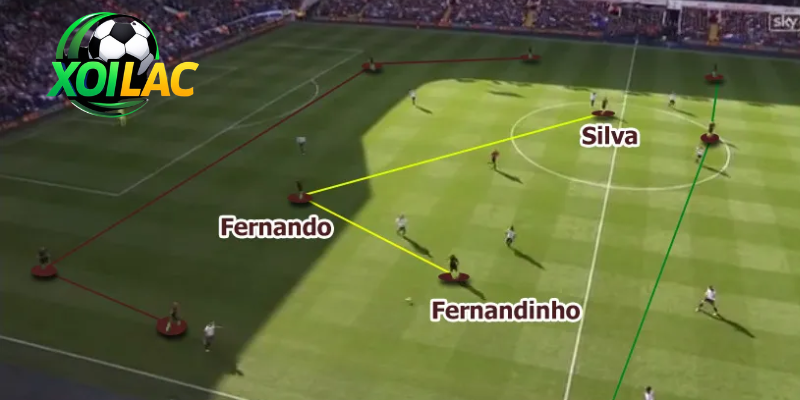
The Regista is often the player who touches the ball most frequently, averaging between 80 to 100 touches per match. They act as a metronome, deciding when to slow down the pace to manage a lead or when to accelerate the ball movement to catch the opposition off guard. According to performance statistics, top-tier playmakers maintain a passing accuracy of over 90%, ensuring that control remains firmly in their team’s hands.
2. Distribution from the Defensive Third
Typically, the Regista receives the ball directly from the center-backs or the goalkeeper. From this position, they possess the range to execute precise 30-to-50-meter passes that bypass the opponent’s first wave of pressure. By successfully completing 8 to 12 long balls per game, they force the opposition’s defensive line to retreat, creating vast pockets of space for attackers.
3. The Bridge Between Defense and Attack
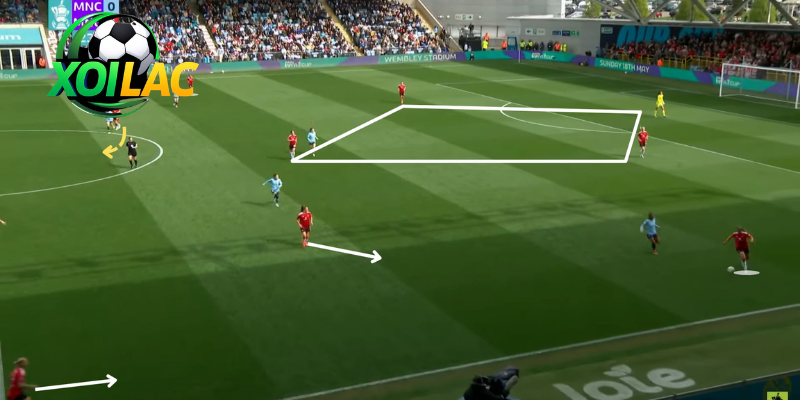
The Regista serves as the vital link between the backline and the offensive unit. By dropping deep to form a back three during the build-up, they ensure that the transition is seamless. Their movement is fluid, constantly shifting to create passing angles that render the opponent’s press ineffective.
Key Attributes of the Modern Regista
What separates a standard holding midfielder from a world-class Regista? It comes down to a specific set of psychological and technical traits.
Spatial Awareness and Positioning
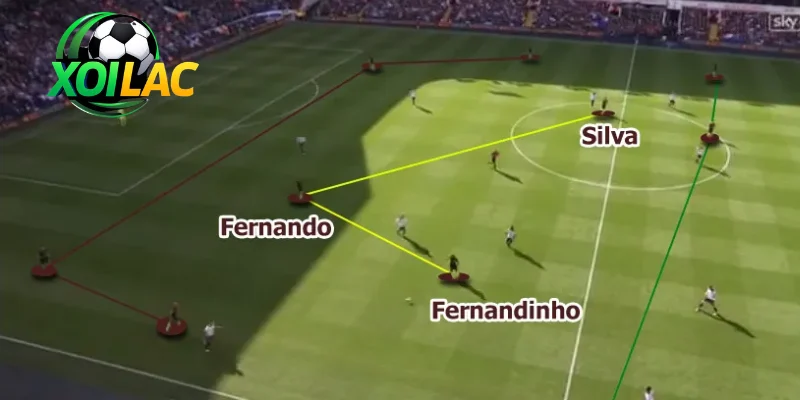
A master of this craft knows how to appear in pockets of space where they can receive the ball without immediate pressure. They do not just wait for the ball; they dictate where the ball should go by positioning themselves as a constant outlet for teammates. By maintaining a logical distance from their partners, they ensure the team remains compact, preventing gaps that could be exploited during a counter-attack.
Tactical Intelligence and Anticipation
A Regista needs to read the game three steps ahead. They predict the opposition’s defensive shifts and identify the weak point in the formation before the ball even reaches their feet. On average, a proficient Regista creates 2 to 4 high-value scoring chances per game simply through their vision and decision-making. This ability to "see" the game is what makes them the brain of the team.
Evaluating the Advantages of the Deep-Lying Playmaker
The inclusion of a Regista in a team’s tactical framework offers significant advantages that can turn a match in their favor.
Maintaining Tactical Stability
By acting as the first point of distribution, the Regista provides consistency. Their ability to handle the ball under pressure reduces the number of unforced errors in the defensive third. This stability allows the entire team to maintain its structure, ensuring that even under intense pressure, the team remains organized and composed.
Expanding the Attacking Canvas
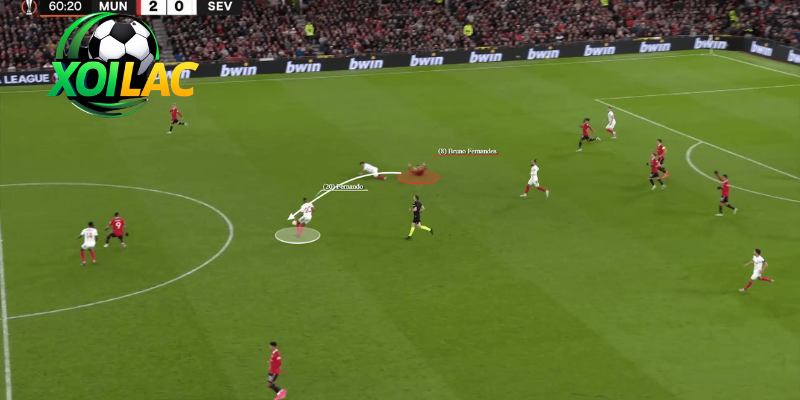
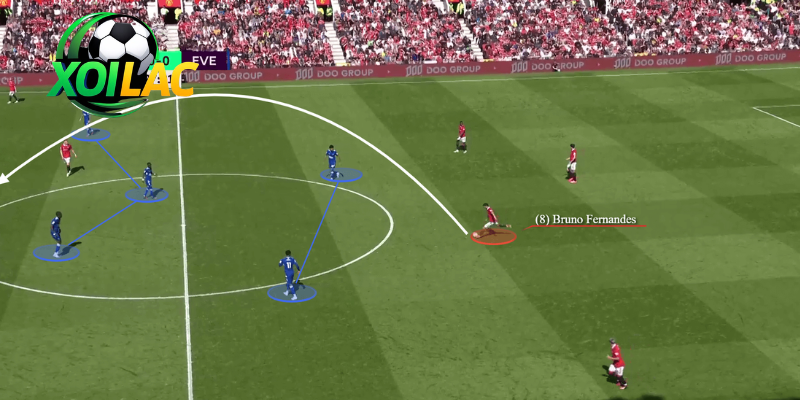
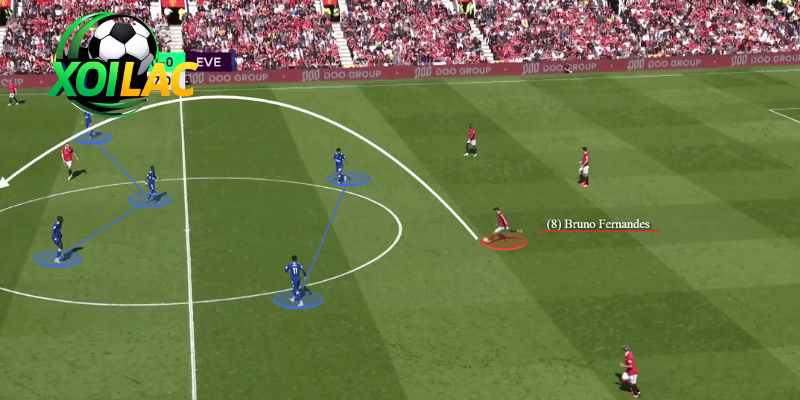
The Regista is a specialist in "switching the play." When an opponent commits too many players to one side of the pitch, the playmaker’s ability to execute a quick cross-field ball immediately exposes the vacated space on the opposite flank. This makes the team’s attacking patterns unpredictable and difficult to defend against.
Easing the Burden on Attacking Players
Because the Regista handles the deep-lying distribution, attacking players do not need to drop as deep to find the ball. This allows strikers and wingers to stay in advanced positions, focusing their energy on the final third rather than on defensive transitions. This separation of duties creates a more balanced team, where the defense can rely on the playmaker to transition the ball out of danger efficiently.
Limitations and Requirements
Despite their importance, the Regista position is not without its risks and strict requirements.
Defensive Vulnerability
The primary limitation of the Regista is their lack of defensive aggression. They are usually not tasked with tackling or physical duels. If an opponent manages to penetrate the midfield, the Regista can be exposed. Therefore, a team employing a Regista often needs a more physically robust, "box-to-box" midfielder or a defensive-minded partner to provide cover and do the "dirty work."
Over-Reliance on Systemic Support
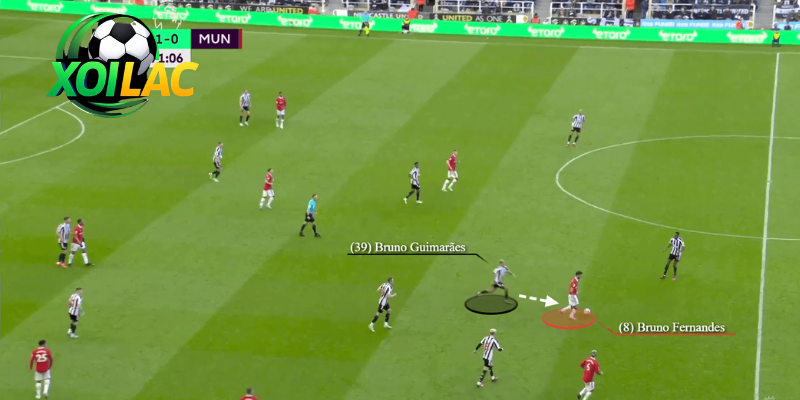
The effectiveness of a Regista is heavily dependent on the rest of the team. If the movement of the teammates is stagnant or if the defensive line is not comfortable playing the ball out from the back, the playmaker’s impact is severely diminished. The team must be built to support the Regista, providing constant passing options. Without this, the playmaker can easily be isolated and marked out of the game, leading to a breakdown in offensive flow.
Implications for the Future of Football
As the game evolves, the role of the deep-lying playmaker is becoming even more crucial. With the rise of complex, high-pressing systems (such as Gegenpressing), teams are increasingly looking for players who can stay calm in tight spaces and distribute the ball under immense physical duress.
The modern Regista is no longer just a luxury player who is "protected" by his team. Today’s playmakers are becoming increasingly mobile, learning to combine their world-class vision with a higher level of defensive work rate. We are seeing a transition toward a "hybrid" midfielder—someone who can dictate the tempo like a traditional Regista but also possess the mobility to cover ground and participate in the press.
Conclusion
The deep-lying playmaker remains the most sophisticated role in football. They are the silent conductors who turn chaos into order, providing the technical foundation for a team’s offensive success. While they require specific team support and have clear defensive limitations, their ability to dictate the flow of a match is irreplaceable. For any team aiming to compete at the highest level, finding and nurturing a player with the intelligence and vision of a Regista is not just an advantage—it is a necessity for dominance in the modern game.