











April serves as a pivotal month for mental health advocacy, marking both National Stress Awareness Month and the National Month of Hope. For the millions of family caregivers across the United States—individuals often navigating the complex emotional and physical terrain of supporting aging or ill loved ones—these observances are not merely symbolic; they are essential reminders of the necessity for self-regulation, neurobiological understanding, and the intentional practice of hope.
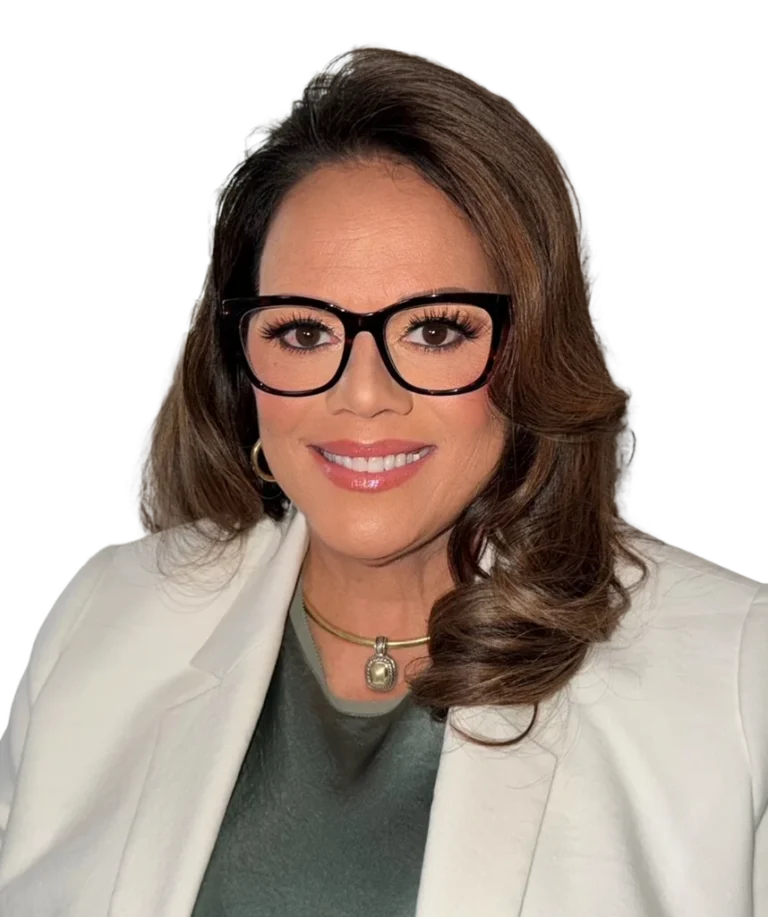
In the latest installment of the Caregiving Club On Air podcast, host Sherri Snelling sits down with Keith Saggers, a pioneer in neurobehavioral performance and creator of the "NeuroFire" system, to dismantle the myths surrounding stress and redefine hope as a trainable, biological mechanism rather than a fleeting emotion.

The Neuroscience of Stress: Understanding the Biological Toll
For many caregivers, stress is the constant background noise of daily life. However, Saggers argues that to effectively manage this, one must move beyond the colloquial understanding of stress and into the realm of neuroscience.
"The nervous system is constantly receiving input, and for the caregiver, that input is often high-intensity, unrelenting pressure," Saggers explains. When the brain perceives a threat—whether it is a medical crisis, financial instability, or the logistical nightmare of navigating healthcare systems—the sympathetic nervous system initiates a cascade of hormonal responses. Over time, this chronic activation can lead to physiological burnout, impaired decision-making, and long-term health degradation.

The NeuroFire system, developed by Saggers, focuses on how individuals can intercept these stress signals. By understanding that "stress" is a physiological output to perceived environmental input, caregivers can learn to modulate their responses. The core philosophy is that while we cannot always control the stressors hitting our nervous systems, we can calibrate how our biology processes that pressure.
Redefining Hope: From Abstract Feeling to Tactical Action
One of the most compelling aspects of the discussion between Snelling and Saggers is the reframing of hope. In the popular imagination, hope is often dismissed as a passive, idealistic sentiment—a "wish" for better days. Saggers, author of the forthcoming book The Law of Hope, challenges this notion vehemently.

"Hope is not a feeling; it is a biological driver," Saggers asserts.
The Mechanics of Hope
According to Saggers, hope functions as a cognitive-behavioral framework. It is the bridge between a desired future state and the physical actions required to achieve it. For the family caregiver, this is a revolutionary shift. It suggests that hope can be "trained" just like a muscle.

- Cognitive Reframing: Shifting from a state of victimhood to a state of agency by identifying actionable steps, no matter how small.
- Biological Calibration: Using techniques to settle the nervous system so that the prefrontal cortex—the part of the brain responsible for planning and executive function—can override the "fight-or-flight" response.
- Physical Integration: Translating hope into tangible, repeatable behaviors that build momentum.
This concept of "neuroscience vs. niceness" is central to Saggers’ work. He argues that the world often tells caregivers to "stay positive" or "be nice," which can be dismissive of the raw, grinding reality of their work. True resilience, he posits, comes from scientific understanding—knowing how the brain works—rather than simply trying to maintain a pleasant demeanor in the face of exhaustion.
Chronology of the Caregiving Club’s Impact
The Caregiving Club has long been a beacon for those in the "Sandwich Generation"—individuals caught between the demands of caring for aging parents and their own children, or careers. As the platform enters its sixth season, its growth mirrors the increasing national urgency regarding the caregiver crisis.

- 2020-2023: Establishment of the "Me Time Monday" initiative, focusing on micro-interventions for caregiver mental health.
- January 2026: Launch of the dedicated "Caregiving Club News" program on YouTube, transitioning key segments—including workplace caregiving trends and wellness news—to a visual-first format.
- April 2026: The podcast achieves a milestone ranking of #3 out of the Top 80 caregiving podcasts globally, according to Feedspot.
- Present Day: Expansion of the educational library to include over 52 "Self-Care in 7 Minutes" videos, addressing everything from Brain Health Awareness to digital detoxification.
This trajectory highlights a shift in the industry: caregivers are increasingly seeking evidence-based, bite-sized, and actionable content that fits into the compressed schedules of their daily lives.
Supporting Data: The Caregiver’s Burden
The necessity for these interventions is backed by sobering data regarding the caregiver experience. According to various health indices, family caregivers are at an elevated risk for:

- Increased cortisol levels: Leading to suppressed immune function and cardiovascular issues.
- Caregiver Burnout: A state of physical, emotional, and mental exhaustion that often results in the caregiver becoming a patient themselves.
- Social Isolation: The "hidden" epidemic that exacerbates the psychological toll of caregiving.
The Caregiving Club’s pivot toward seven-minute wellness hacks is a direct response to this data. By providing tools like forest bathing, decluttering, and digital detoxing, the organization aims to disrupt the cycle of chronic stress before it reaches a critical, irreversible point.
Implications for the Future of Caregiving
The integration of neuroscience into the caregiving discourse marks a significant evolution in health advocacy. If hope is a biological driver, then the systemic support for caregivers must also change.

1. The Professionalization of Self-Care
The Caregiving Club’s emphasis on "Self-Care in 7 Minutes" suggests that self-care is no longer a luxury, but a professional requirement for the caregiver. Much like an athlete requires recovery to perform, a caregiver requires neurological "down-time" to continue their work effectively.
2. Workplace Integration
As the "Caregiving Club News" expands its focus on workplace culture, the implication is clear: employers can no longer view caregiving as a personal issue to be managed "off the clock." With an aging workforce, companies must accommodate the realities of the sandwich generation through flexible policies and awareness of the cognitive load these employees carry.

3. Digital Literacy and Accessible Education
The transition of resources to YouTube and other digital platforms reflects the changing habits of the modern caregiver. The ability to consume high-quality, expert-led educational content on the go is vital. Whether it is a seven-minute video on sleep hygiene or a deep-dive podcast on the law of hope, the accessibility of this information is a crucial component of the modern caregiving support infrastructure.
Conclusion: A Call to Action
As we observe both Stress Awareness Month and the Month of Hope, the takeaway for family caregivers is one of empowerment. The challenges are real, and the stress is often unavoidable, but the capacity to manage that stress and cultivate a hopeful mindset is within reach.

By leveraging the insights provided by experts like Keith Saggers, and utilizing the resources curated by the Caregiving Club, caregivers can transition from a state of survival to one of sustainable living. Whether through small, seven-minute shifts in routine or a fundamental restructuring of how one views their own biological responses, the path to resilience is paved with intentional, science-backed actions.
For those looking to start their journey, the Caregiving Club encourages listeners to explore their library of resources, subscribe to the new YouTube channel for bi-weekly updates, and remember: in the complex landscape of caregiving, you are not alone, and your resilience is a force that can be cultivated.

Resource Links for Further Exploration:
- Keith Saggers: NeuroFire Systems & "The Law of Hope"
- Elder Care Locator: Official Government Resource
- Caregiving Club Library: Self-Care in 7 Minutes Video Series
- Further Reading: Sherri Snelling’s Me Time Monday available via GoodReads.