



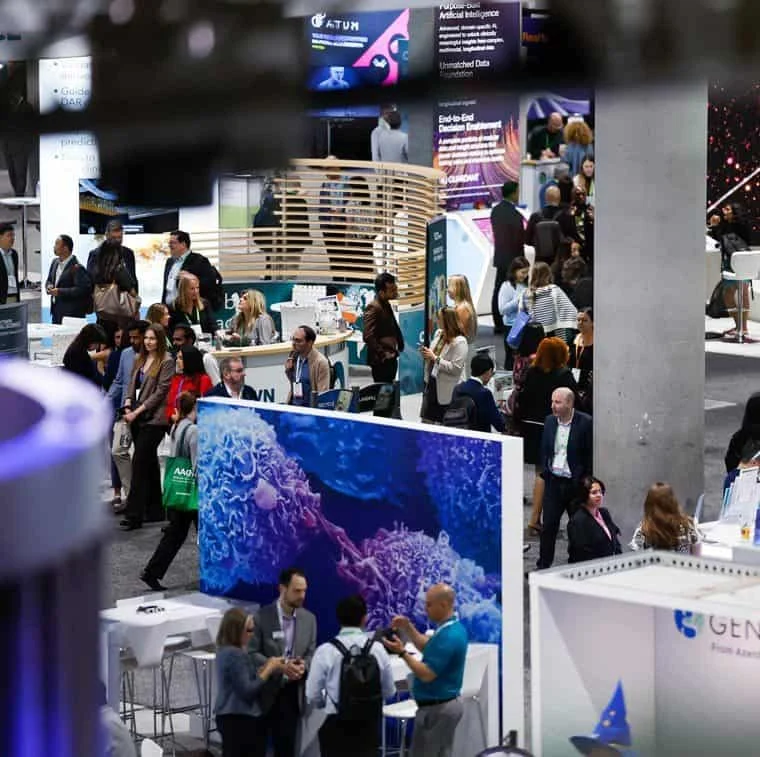
At the 2026 American Association of Cancer Research (AACR) Annual Meeting, a singular, resonant theme permeated the proceedings: while the landscape of oncology has been fundamentally reshaped by three decades of unprecedented scientific triumph, the field now stands at a precarious, high-stakes crossroads.
National Cancer Institute (NCI) Director Anthony Letai, MD, PhD, delivered a keynote address that served as both a victory lap and a clarion call to action. Dr. Letai’s message was clear: the cancer research community has successfully bent the curve of mortality, but the emergence of new, aggressive clinical challenges—coupled with systemic inefficiencies—demands a radical evolution in how we conduct, fund, and democratize cancer science.
The Landscape of Progress: A 30-Year Retrospective
The latest Cancer Statistics report from the American Cancer Society (2026) offers a compelling narrative of success. Over the past thirty years, cancer mortality rates in the United States have plummeted by approximately one-third. This decline is not merely a statistical achievement; it represents millions of years of life reclaimed, milestone birthdays celebrated, and families kept whole.
The Immuno-Oncology Revolution
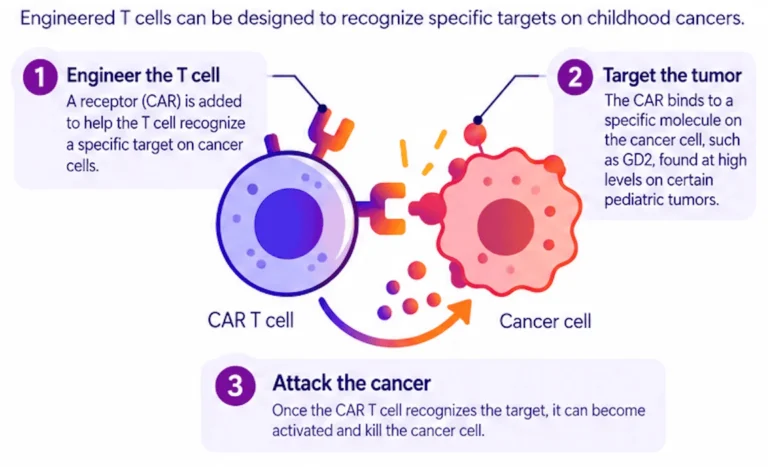
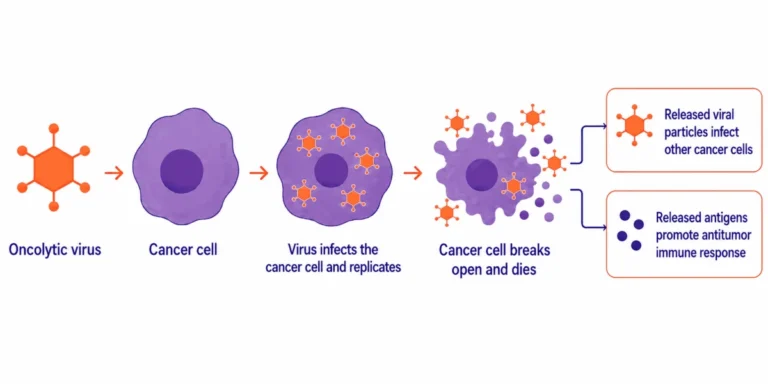
The primary engine behind this survival surge is the maturation of immuno-oncology. For decades, the pillars of cancer care were limited to surgery, radiation, and cytotoxic chemotherapy. The integration of immunotherapy—therapies that harness the patient’s own immune system to identify and eradicate malignant cells—has transformed previously "untreatable" diagnoses into manageable conditions. From checkpoint inhibitors to CAR-T cell therapies, the clinical arsenal has expanded, offering durable responses in cancers that were once considered death sentences.
The New Frontier: Emerging Challenges
Despite these gains, the oncology community is grappling with a shifting epidemiological landscape that threatens to offset hard-won progress.
The Crisis of Early-Onset Malignancies
Perhaps the most alarming trend identified by experts at the 2026 meeting is the rising incidence of cancer in younger populations. Colorectal cancer, once largely viewed as a disease of aging, has surged to become the leading cause of cancer-related mortality among adults under 50. Incidence rates in this cohort are climbing at an annual rate of nearly 3%, a trend that has left researchers scrambling to identify potential drivers, ranging from environmental exposures to changes in the microbiome and dietary shifts.
Resistance and Recurrence
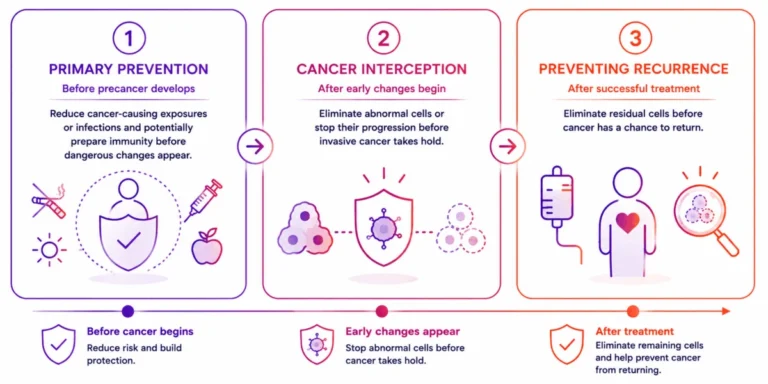
Beyond the epidemiological shifts, the biological persistence of cancer remains a formidable hurdle. Even when initial therapies yield miraculous results, the twin specters of treatment resistance and cancer recurrence loom. Tumors are inherently adaptive; they evolve under the selective pressure of immunotherapy, often finding "escape routes" that allow them to flourish despite aggressive intervention. This necessitates a move away from "one-size-fits-all" protocols toward highly individualized, adaptive treatment regimens.
Precision Medicine: The Data Imperative
If the 20th century was defined by the discovery of new drugs, the 21st century will be defined by the mastery of data. Dr. Letai emphasized that we have entered the era of precision medicine, where the biological profile of a patient’s tumor dictates the therapeutic strategy.
Bridging the Data Divide
However, precision medicine is only as effective as the data informing it. The current research ecosystem suffers from fragmentation. Data silos—where genomic, spatial, and clinical information are locked away in disparate systems—prevent the cross-pollination of insights.
To bridge this, initiatives like the Cancer Research Institute’s (CRI) Discovery Engine are emerging as vital infrastructure. By standardizing the collection of genomic and cellular data, the Discovery Engine creates an AI-ready resource. This allows researchers to compare findings across disparate clinical trials, effectively "teaching" artificial intelligence to identify the hidden patterns that dictate why a specific patient responds to a checkpoint inhibitor while another does not. The goal is to move from reactive observation to predictive, proactive oncology.
Global Competition and Systemic Inefficiencies
Dr. Letai’s address took a stark, pragmatic turn when discussing the mechanics of clinical trials. While the United States remains a leader in basic biomedical research, the translation of those discoveries into clinical reality is increasingly hampered by institutional inertia.
The Need for Velocity
The NCI Director pointedly compared the U.S. clinical trial infrastructure to the rapid, agile models emerging in countries like China. In the current global race, speed is a metric of success. The U.S. research apparatus must move to:
- Streamline Regulatory Pathways: Reducing the administrative burden that delays the launch of early-phase trials.
- Enable Parallel Processing: Moving away from sequential, slow-moving trial structures in favor of platform trials that test multiple hypotheses simultaneously.
- Enhance Coordination: Creating a more cohesive national network where academic centers, private industry, and government agencies share the risk and the data.
Cultivating the Talent Pipeline
At the heart of every breakthrough is a scientist. Yet, Dr. Letai highlighted a growing crisis in the research workforce: the "valley of death" for early-career investigators.
The Cost of Uncertainty
Young researchers are currently navigating a minefield of funding instability and administrative delays. If the brightest minds are forced to abandon oncology in favor of more stable fields, the long-term future of cancer research is compromised.
To combat this, the NCI is prioritizing training pathways that bridge the gap between postdoctoral research and independent faculty status. The Cancer Research Institute is mirroring this commitment with the IGNITE Award, which provides five years of uninterrupted, catalytic funding. By insulating scientists from the "grant-cycle anxiety" that often forces them to pursue "safe" rather than "transformative" research, these programs ensure that the next generation of breakthroughs has the time and resources to germinate.
The Equity Imperative: Leaving No One Behind
The most profound takeaway from the 2026 AACR meeting was that scientific brilliance is wasted if it does not reach the patient. Disparities in access to screening and care remain the "silent killer" of the oncology world.
Economic, geographic, and racial barriers continue to prevent life-saving immunotherapies from reaching underserved populations. Dr. Letai argued that true progress cannot be measured by the efficacy of a drug in a controlled clinical trial alone; it must be measured by its effectiveness in the real world, across all demographics. This requires:
- Community Engagement: Strengthening the bridge between high-level researchers and local clinicians.
- Public Literacy: Demystifying the research process so that patients and policymakers understand the value of clinical trials.
- Equitable Design: Ensuring that clinical trial cohorts are representative of the diverse populations the therapies are intended to treat.
Conclusion: A Vision for the Future
As the 2026 AACR Annual Meeting concluded, the consensus was clear: the future of cancer care rests on three pillars: Precision, Partnership, and Purpose.
- Precision: Utilizing AI and massive datasets to tailor care to the individual biology of the patient.
- Partnership: Breaking down the silos between institutions, nations, and disciplines to accelerate the pace of discovery.
- Purpose: Maintaining an unwavering focus on the patient—ensuring that every scientific advancement is accessible, equitable, and transformative.
For the patients currently fighting, this research is a lifeline. For the donors and supporters, it is an investment in human survival. As Dr. Letai reminded the assembly, the next breakthrough is not a matter of luck; it is a matter of the intentional, collective, and urgent work we undertake today. The progress of the last thirty years has laid the foundation, but the true work of curing cancer is only just beginning.