










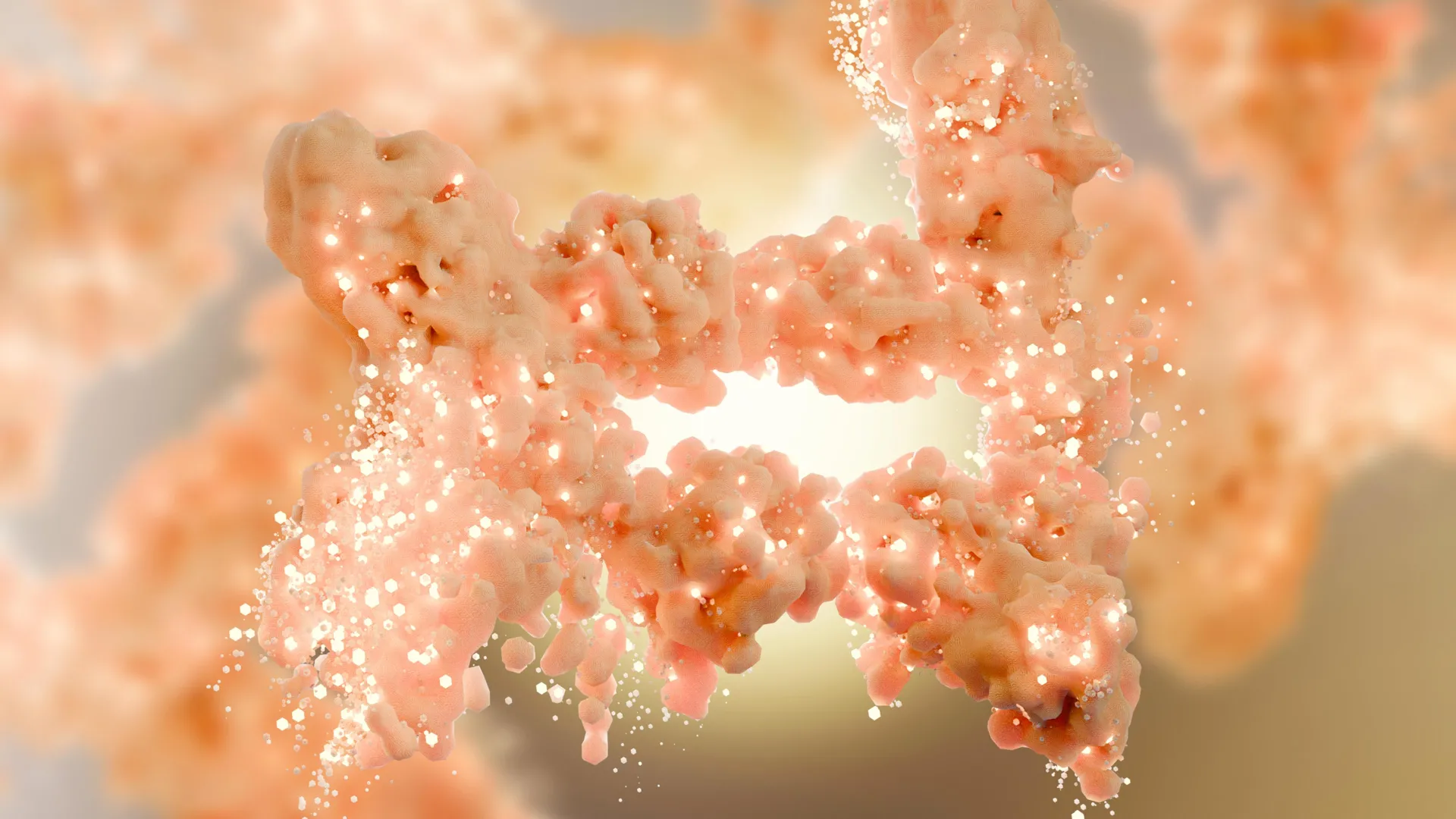
For over half a century, the scientific consensus regarding fat metabolism was seemingly set in stone. At the heart of this dogma stood a single protein: Hormone-Sensitive Lipase (HSL). Since its discovery in the 1960s, HSL was characterized as the body’s metabolic "emergency release valve." It was the enzyme responsible for breaking down stored triglycerides into fatty acids, providing the fuel necessary for life when the body entered a state of fasting or high exertion.
However, a groundbreaking study published in the journal Cell Metabolism has shattered this long-held simplification. Researchers at the Institute of Cardiovascular and Metabolic Diseases (I2MC) at the University of Toulouse have revealed that HSL is far more than a mere fuel-mobilizing tool. It is a dual-purpose protein that operates within the most protected sanctuary of the cell: the nucleus. This discovery does not just add a footnote to a textbook; it fundamentally alters our understanding of how fat tissue remains healthy—or descends into the dysfunction that triggers diabetes, cardiovascular disease, and metabolic syndrome.
The Evolution of a Scientific Mystery
The 1960s Paradigm: The Fuel Switch
To understand the significance of the Toulouse team’s findings, one must first appreciate the simplicity of the original model. Adipocytes—fat cells—were long viewed as passive, static storage lockers. When the body required energy, hormones like adrenaline would bind to the surface of these cells, triggering HSL to migrate to the lipid droplets (the intracellular fat stores). HSL would then hydrolyze the fat, releasing it into the bloodstream for use by the muscles and liver.
The Paradox of Deficiency
For years, the logic followed a linear path: if HSL is the machine that breaks down fat, then the absence of HSL should lead to the accumulation of fat. Scientists hypothesized that HSL deficiency would inevitably result in morbid obesity, as the body would lose its ability to "unlock" its fuel reserves.
The reality, however, was a profound scientific contradiction. When researchers studied both mice and humans with mutations in the HSL gene, they did not see a massive build-up of adipose tissue. Instead, they observed the development of lipodystrophy—a rare and dangerous condition characterized by the loss of healthy fat tissue. This "missing link" puzzled the metabolic research community for decades, suggesting that the prevailing model of HSL was fundamentally incomplete.
Investigating the Control Center: HSL in the Nucleus
Led by Dominique Langin, the I2MC research team sought to resolve this contradiction by looking beyond the lipid droplet. Using advanced imaging and proteomic analysis, they made an unexpected discovery: HSL was present in high concentrations inside the nucleus of the adipocyte.
The Nucleus as the Master Regulator
The nucleus is the cell’s command center, housing the genome and dictating the expression of genes. By locating HSL within this domain, the researchers realized the protein was likely involved in gene regulation, cell repair, and metabolic signaling.
"In the nucleus of adipocytes, HSL is able to associate with many other proteins and take part in a program that maintains an optimal amount of adipose tissue and keeps adipocytes ‘healthy’," explained Jérémy Dufau, a co-author of the study. This implies that HSL functions in two distinct modes:
- The Cytoplasmic Mode: On the surface of lipid droplets, it acts as an enzyme for fat mobilization.
- The Nuclear Mode: It acts as a regulatory scaffold, interacting with proteins involved in RNA processing and gene expression.
Supporting Data: Mitochondrial and Structural Health
The researchers identified that nuclear HSL is critical for maintaining two vital cellular systems:
- Mitochondrial Activity: Mitochondria are the cell’s powerhouses. When HSL is absent from the nucleus, mitochondrial function falters, leading to inefficient energy production and cellular stress.
- The Extracellular Matrix (ECM): The ECM provides the structural scaffolding for tissue. When HSL-driven nuclear signaling is disrupted, the ECM becomes unstable, leading to tissue inflammation and fibrosis—hallmarks of metabolic disease.
The Dual-Life Cycle of HSL
The research team further mapped how the cell decides where to send HSL. It appears that the protein’s location is dynamic, shifting in response to the body’s metabolic state.
The Signaling Pathway
The study identified that signaling pathways involving TGF-β and SMAD3 molecules are instrumental in managing HSL’s intracellular traffic. During fasting, adrenaline signals push HSL out of the nucleus and toward the lipid droplets to fuel the body. Conversely, in states of chronic overnutrition—such as in obese mice fed a high-fat diet—nuclear HSL levels increase. This suggests that the cell attempts to compensate for the stress of obesity by increasing the regulatory presence of HSL within the nucleus.
Implications for Modern Medicine
Redefining "Healthy" Fat
Perhaps the most significant takeaway from the Toulouse study is the realization that "fatness" is not simply a matter of quantity. We have long equated obesity with high fat mass and health with low fat mass. However, the lipodystrophy paradox proves that the quality of fat tissue is just as important as the volume.
When fat tissue loses its ability to maintain homeostasis—whether due to an excess of stored fat (obesity) or a lack of functional adipocytes (lipodystrophy)—the resulting systemic impact is identical: insulin resistance, fatty liver disease, and chronic inflammation.
A New Frontier for Metabolic Therapies
This discovery provides a roadmap for the next generation of metabolic treatments. Current therapies often focus on the "burn" side of the equation: increasing lipolysis to shed pounds. However, if that approach inadvertently disrupts the nuclear regulatory role of HSL, it could lead to the very tissue dysfunction that causes metabolic disease.
"HSL has been known since the 1960s as a fat-mobilizing enzyme," says Dominique Langin. "But we now know that it also plays an essential role in the nucleus of adipocytes, where it helps maintain healthy adipose tissue."
Future drug development may move toward "tissue-preserving" therapies. Instead of merely forcing fat cells to dump their contents, researchers are now looking for ways to support the regulatory function of proteins like HSL, ensuring that adipocytes remain healthy and communicative, even in the face of excess energy intake.
Global Health Context: A Rising Challenge
The timing of this research is critical. Obesity is currently a global epidemic, affecting billions of individuals and placing an unsustainable burden on healthcare systems. Associated conditions such as type 2 diabetes, cardiovascular disease, and certain cancers are reaching unprecedented levels.
For decades, the medical community has viewed adipose tissue as a passive storage unit that needed to be "shrunk." We now understand that adipocytes are, in fact, sophisticated endocrine organs. They communicate with the brain, the liver, the immune system, and the musculoskeletal system. When an adipocyte becomes dysfunctional, this communication network breaks down.
Looking Toward the Future
The discovery of nuclear HSL opens a new chapter in metabolic research. By shifting the focus from simply reducing fat mass to preserving the health and functionality of fat tissue, scientists may be able to treat the root causes of metabolic disease rather than just the symptoms.
As we move forward, the scientific community will likely focus on:
- Targeted Gene Therapy: Investigating how HSL gene expression can be modulated to protect against lipodystrophy and obesity-related inflammation.
- Biomarker Development: Measuring the ratio of cytoplasmic vs. nuclear HSL as a potential clinical indicator of metabolic health.
- Combination Therapies: Developing drugs that maintain nuclear HSL activity while safely managing lipid storage.
In conclusion, the work of Langin and his team at the University of Toulouse reminds us that in biology, the most important functions are often hidden in plain sight. By looking inside the nucleus, we have not only solved a decades-old mystery but have also gained a more nuanced, sophisticated understanding of what it means to be metabolically healthy. The future of obesity research is no longer just about the calories we store, but about the complex cellular machinery that keeps our internal energy systems in balance.