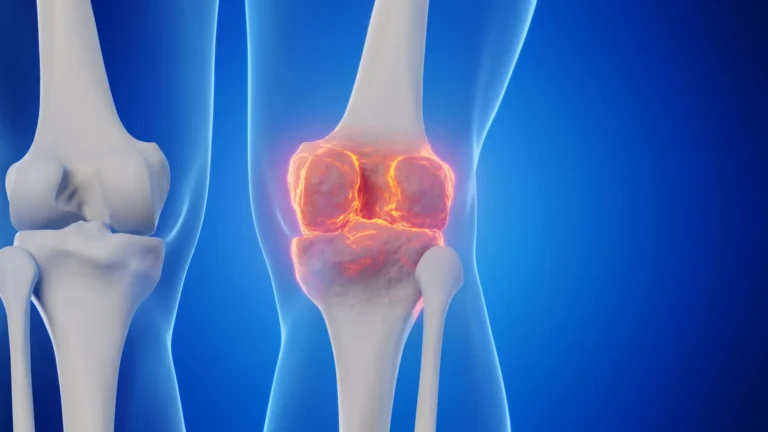





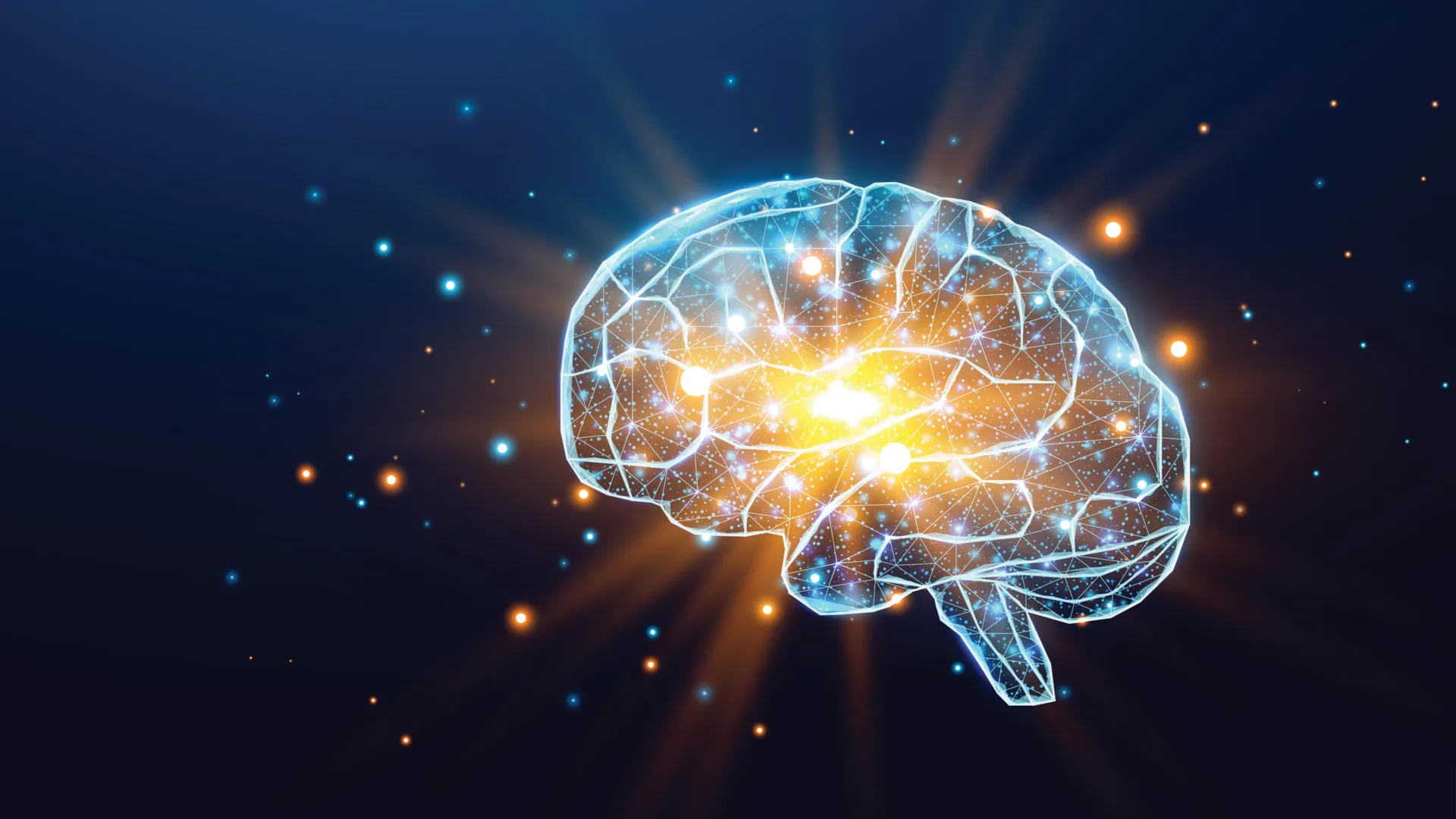
For decades, the mention of "creatine" has conjured images of weight rooms, shaker bottles, and athletes striving for that extra percentage of explosive power. It is arguably the most recognizable supplement in the sports nutrition industry, synonymous with gains in strength and lean muscle mass. However, a seismic shift is occurring in how the scientific community views this compound. Moving well beyond the narrow confines of gym culture, researchers are now uncovering a complex, multi-faceted molecule that may play a pivotal role in cellular energetics, cognitive health, and the management of chronic physiological conditions.
Dr. Mehdi Boroujerdi, a distinguished pharmaceutical researcher and former professor, has emerged as a central figure in this narrative. His exhaustive review, featured in the Handbook of Creatine and Creatinine In Vivo Kinetics, provides a forensic look at the mechanics of the compound, challenging long-held myths and framing creatine as a prospective clinical powerhouse.
The Mechanics of Vitality: How Creatine Fuels Life
To understand why creatine is moving toward the center of clinical research, one must first understand its fundamental role in human biology. Creatine is not merely a synthetic additive; it is an endogenous compound synthesized by the liver, kidneys, and pancreas from a trio of amino acids: glycine, arginine, and methionine.
Once synthesized, this vital compound is transported through the bloodstream to tissues with high metabolic demands. Approximately 95% of the body’s creatine is sequestered within skeletal muscle, while the remaining 5% is distributed between the brain, the heart, and other essential organs.
At the cellular level, creatine acts as a high-speed energy buffer. It is converted into phosphocreatine (PCr), which facilitates the rapid regeneration of adenosine triphosphate (ATP)—the "molecular currency" of energy in every human cell. When a muscle fiber contracts or a neuron fires, it consumes ATP. The presence of phosphocreatine allows the cell to "recharge" its ATP reserves almost instantaneously. This mechanism is what allows athletes to perform short, high-intensity bursts of effort, but it is also the reason the heart can beat rhythmically and the brain can maintain complex cognitive processes under stress. Once this energetic cycle is complete, the creatine is degraded into creatinine, a metabolic waste product filtered by the kidneys and excreted in urine.
A Chronology of Discovery: From Muscle Fuel to Cognitive Aid
The history of creatine research is one of gradual expansion.
- 1832: Creatine is discovered by French chemist Michel Eugène Chevreul, who isolated it from skeletal muscle extract.
- 1920s: Scientists confirm that the ingestion of creatine leads to increased storage of the compound in muscle tissue.
- 1990s: The "Creatine Era" begins in earnest, as the supplement gains widespread popularity among Olympic athletes and bodybuilders, solidifying its status as a staple of sports science.
- 2010s–Present: The focus shifts. Researchers begin investigating the "non-muscular" benefits, particularly regarding the brain’s reliance on ATP. Current studies are exploring the application of creatine in treating neurodegenerative disorders, depression, and age-related physiological decline.
Dispelling the Myths: Clarifying the Safety Profile
Despite its popularity, misinformation continues to plague the public perception of creatine. Chief among these misconceptions is the persistent, inaccurate labeling of creatine as a steroid.
"Creatine’s role in muscle development is solely to provide energy for contraction and respiration; it is certainly not a substitute for steroids," Dr. Boroujerdi asserts. Unlike anabolic steroids, which manipulate hormone levels to induce muscle growth, creatine works purely through metabolic support.
Furthermore, concerns regarding kidney health have been systematically addressed by the scientific community. For healthy individuals, current clinical data indicates no adverse impact on renal function. However, as with any metabolic agent, individuals with pre-existing kidney disease or compromised filtration capacity are strongly advised to consult a healthcare professional before initiating a supplementation regimen.
Supporting Data: Bioavailability and Dosing Strategies
The efficacy of creatine is heavily dependent on the "saturation" of muscle stores. The most commonly studied form, creatine monohydrate, has demonstrated the highest bioavailability. However, the method of delivery remains a subject of optimization.
The Loading vs. Maintenance Debate
The traditional "loading phase"—consuming 20 grams per day, split into four doses, for 5 to 7 days—is designed to rapidly saturate muscle creatine stores. While effective, it is not strictly necessary. Research indicates that a lower, more consistent dose of 3–5 grams per day can achieve identical saturation levels over approximately 28 days.
Enhancing Uptake
Absorption is not a passive process. Factors such as digestive health and the insulin response play a critical role in how much creatine is transported into the cells. Dr. Boroujerdi notes that taking creatine alongside carbohydrates can enhance uptake, as insulin secretion stimulates the transport mechanisms that usher creatine across cell membranes.
The Therapeutic Frontier: Clinical Implications
The most exciting developments in creatine research lie in its potential as an over-the-counter therapeutic agent. Because creatine possesses both anti-inflammatory and antioxidant properties, its utility may extend far beyond athletic performance.
Neurological Health
The brain is one of the most energy-intensive organs in the body. Preliminary studies suggest that creatine supplementation may bolster memory, enhance processing speed, and improve mood, particularly in individuals with lower baseline levels. Researchers are currently evaluating its efficacy as an adjunct treatment for Parkinson’s disease and major depressive disorder.
Healthy Aging
For the aging population, creatine may offer a strategy to combat sarcopenia (muscle loss) and bone density decline. As the body’s natural capacity to synthesize creatine may fluctuate with age, supplementation could provide the necessary energetic support to maintain functional independence, physical strength, and cognitive acuity.
The Special Case of Diet
Dietary habits significantly dictate an individual’s response to supplementation. Vegetarians and vegans, who do not consume dietary creatine through meat, often start with lower baseline stores. Consequently, these groups often experience more profound physiological improvements upon beginning a regimen.
The Future: A Call for Rigorous Inquiry
Despite the growing evidence base, Dr. Boroujerdi emphasizes that creatine is not a "panacea." He cautions that it does not replace the fundamental requirements of proper training, adequate nutrition, and recovery.
"There is a pressing need for well-designed research projects in humans, utilizing labeled creatine to generate relevant data and illuminate the grey areas of our knowledge about these compounds," Dr. Boroujerdi explains. He envisions a future where, with sufficient clinical justification and standardized dosing regimens, creatine moves from the shelf of a sports supplement shop to the pharmacy counter as a recognized, therapeutic agent.
Ultimately, the science of creatine is a reminder that what we once dismissed as a simple "gym fad" often contains the seeds of significant medical breakthrough. Whether the goal is to break a personal record in the squat rack or to support cognitive resilience in the later stages of life, the intelligent application of creatine remains one of the most promising areas of modern nutritional science. As the research continues to mature, one thing is clear: we have only just begun to scratch the surface of what this molecule can do for human performance and health.