










In an era where neurodegenerative diseases remain one of the most pressing public health challenges, researchers are looking beyond traditional pharmaceuticals to unlock the brain’s hidden potential. This month, as we recognize Brain Health Awareness Week (March 16-20), a compelling intersection of neuroscience and home wellness is taking center stage. At the heart of this movement is Dr. Michael Leon, Professor Emeritus at the University of California, Irvine (UCI), whose pioneering work suggests that the key to cognitive resilience may literally be right under our noses.

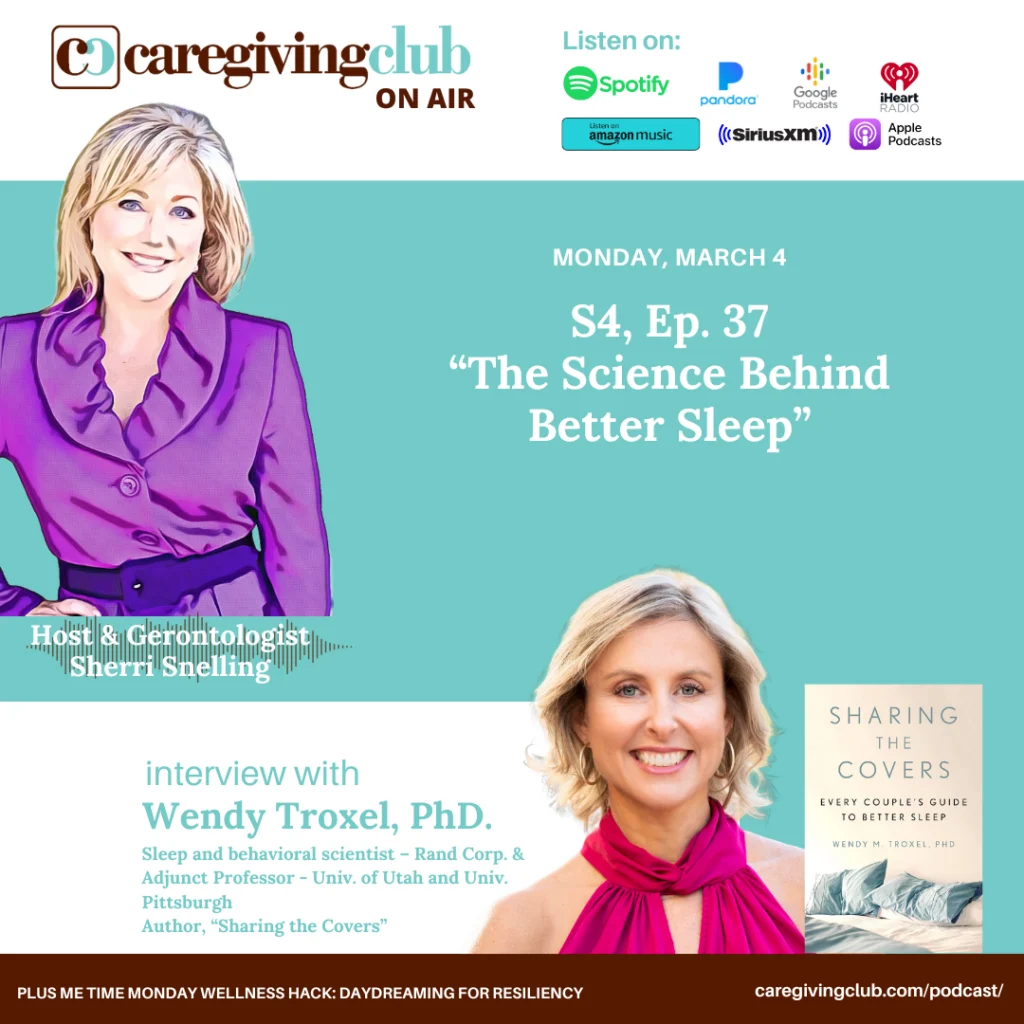
The latest episode of the Caregiving Club On Air podcast (Season 6, Episode 66) explores this olfactory frontier, detailing how the sense of smell—often the most overlooked of our five senses—serves as a powerful conduit for neural stimulation and memory preservation.

The Neuroscience of Scent: Beyond Sensory Perception
For decades, the medical community has focused on the visual and auditory pathways as the primary drivers of cognitive function. However, the olfactory system is uniquely wired to the brain’s emotional and memory centers, specifically the amygdala and the hippocampus.

Dr. Michael Leon, a distinguished figure in neuroscience with a career spanning decades of research into disorders ranging from autism to Alzheimer’s, has centered his recent work on how olfactory stimulation can mitigate the effects of brain aging. "Our sense of smell is the only sensory system that has a direct, ‘express lane’ to the parts of the brain responsible for memory and emotion," Dr. Leon explains.

The scientific premise is rooted in the concept of neural plasticity. As we age, the brain’s ability to forge new connections diminishes, leading to cognitive decline. By providing targeted, enriched olfactory input, researchers have observed a remarkable capacity for the brain to "re-wire" itself. In one landmark study referenced by Dr. Leon, participants who engaged in systematic scent-training exhibited a staggering 226% increase in memory and cognitive performance compared to control groups. This data suggests that smell is not merely a sensory experience, but a vital tool for cognitive maintenance.

Memory Air: Bridging the Gap Between Research and Home Wellness
The transition from clinical research to practical application has culminated in the development of Memory Air, a wellness home product co-created by Dr. Leon. This device represents a new paradigm in what industry experts are calling "NeuroDesign"—the integration of neuroscience into the architecture and functionality of our living spaces.

The philosophy behind Memory Air is simple yet profound: if the brain requires constant, meaningful sensory input to maintain its health, why not utilize the home environment to deliver that input? The device uses specific scent profiles designed to stimulate the olfactory bulb, which in turn broadcasts signals to the higher-order brain regions.

During the podcast, Dr. Leon breaks down the distinction between scents meant for cognitive activation versus those intended for restorative sleep. "The goal is to create an environment that supports the brain’s circadian rhythms and its need for ‘mental hygiene,’" he notes. By utilizing specific aromatherapy protocols during the night, the device helps to deepen sleep—a critical period when the brain performs its "housekeeping," clearing out the metabolic waste products that contribute to inflammation and neurodegeneration.

The "Caregiving Club" Philosophy: A Holistic Approach
Sherri Snelling, host of Caregiving Club On Air and author of ME TIME MONDAY, has long championed the idea that sensory engagement is a pillar of caregiving. Her work emphasizes that the five senses are not just pathways for external information, but tools for self-care and stress reduction.

"When we talk about the ‘Sandwich Generation’—those caring for aging parents while raising children—the stress is often overwhelming," says Snelling. "That stress triggers cortisol release, which causes inflammation and oxidative stress in the brain. By using our senses to ground ourselves and stimulate neural pathways, we aren’t just ‘relaxing’; we are actively fighting the biological markers of aging."

The Caregiving Club has become a leading voice in this space, recently hitting the #3 spot on Feedspot’s list of the top 80 caregiving podcasts. This recognition underscores a growing public hunger for actionable, science-backed advice that goes beyond standard caregiving tips.

Supporting Data: The MIND Diet and Sensory Health
To provide a comprehensive roadmap for brain health, the Caregiving Club highlights the synergy between sensory stimulation and nutrition. The "MIND Diet"—a hybrid of the Mediterranean and DASH diets—is central to this strategy.

- The MIND Diet Protocol: Research suggests that high intake of leafy greens, berries, and fish (at least three times a week) can make a brain appear 20 years younger. When combined with the "5 Senses" approach, these nutritional interventions create a comprehensive defense against cognitive decline.
- Neuroplasticity: By engaging in daily sensory exercises—such as those detailed in the Me Time Monday curriculum—individuals can build the cognitive reserve necessary to withstand the early onset of Alzheimer’s.
- Sleep Hygiene: As Sleep Awareness Week and Brain Health Awareness Week overlap in mid-March, the connection becomes clear: poor sleep is a primary driver of amyloid-beta plaque accumulation, the hallmark of Alzheimer’s disease.
Implications for the Future of Care
The shift toward "Well Home Design" and sensory-based interventions marks a departure from a strictly pharmaceutical approach to brain health. While medication remains a pillar of treatment for existing conditions, the move toward prevention through environmental and sensory design is gaining momentum.

Implications include:
- Dementia-Friendly Home Design: Future homes for seniors will likely incorporate air-filtration systems that double as aromatherapy delivery units, integrated with smart-home technology to track and adjust scent-based stimulation.
- Corporate Wellness: As the "Sandwich Generation" continues to struggle with the demands of work and caregiving, employers are beginning to look at "brain health" as a productivity metric. Integrating "7-minute self-care" practices into the workday can reduce burnout and improve employee retention.
- Preventative Neurology: The success of scent-training indicates that we may soon be able to diagnose and treat "sensory decline" as a biomarker for future cognitive issues, allowing for intervention years before clinical symptoms manifest.
A New Era of Caregiving Content
As the Caregiving Club continues its 6th season, the focus is expanding to include a broader range of resources. The transition of news segments to a dedicated YouTube channel, Caregiving Club News, is designed to meet the needs of a digital-first audience. This channel will cover:

- Workplace Advocacy: Navigating the complexities of working while caring for an aging relative.
- NeuroDesign Trends: How to modify living spaces for those with cognitive impairment.
- Expert Interviews: A repository of conversations with leading neurologists, sleep scientists, and nutritionists.
The message for the audience is clear: caregiving is not a passive role. It is an active, ongoing effort to maintain the health and dignity of those we love. By embracing the latest research in neuroscience and sensory health, caregivers can move from a state of reactive crisis management to proactive health promotion.

As we move through March, the Caregiving Club invites listeners to take that first step—whether it is trying a new scent, preparing a meal rich in leafy greens, or carving out seven minutes for a "digital detox." In the complex, often challenging world of brain health, sometimes the most profound changes start with the simplest, most human acts.
Resource Directory for Caregivers
- Dr. Michael Leon & Memory Air: For those interested in the latest in olfactory research and home wellness technology, visit memoryair.com.
- Elder Care Locator: A vital resource for finding local community support and services at eldercare.gov.
- Educational Content: Subscribe to the Caregiving Club YouTube Channel for "Self-Care in 7 Minutes" and bi-weekly news updates.
- Further Reading: Sherri Snelling’s book, ME TIME MONDAY, provides a detailed framework for incorporating sensory health into daily routines. Available via major retailers and reviewed on GoodReads.