








In a significant development for the field of sleep medicine and neuro-psychiatry, a peer-reviewed study published in the journal Psychotherapy and Psychosomatics has provided robust clinical evidence for a novel approach to treating chronic insomnia. The study highlights the efficacy of Deep Intracranial Frequency Stimulation (DIFS), a noninvasive neurostimulation technology developed by Nexalin Technology Inc.
The research suggests that this high-power, frequency-based stimulation can modulate specific brain networks associated with hyperarousal and emotional regulation, potentially offering a transformative path forward for patients who have found little relief through traditional pharmacotherapy or standard behavioral interventions.
The Clinical Landscape: Addressing Chronic Insomnia
Chronic insomnia is more than just a struggle to fall asleep; it is a complex, often debilitating condition characterized by persistent physiological and psychological hyperarousal. Current treatments, ranging from hypnotic medications to cognitive behavioral therapy for insomnia (CBT-I), have limitations. Medications often carry risks of dependency or adverse side effects, while CBT-I, despite its gold-standard status, remains inaccessible to many due to provider shortages and the significant time commitment required from patients.
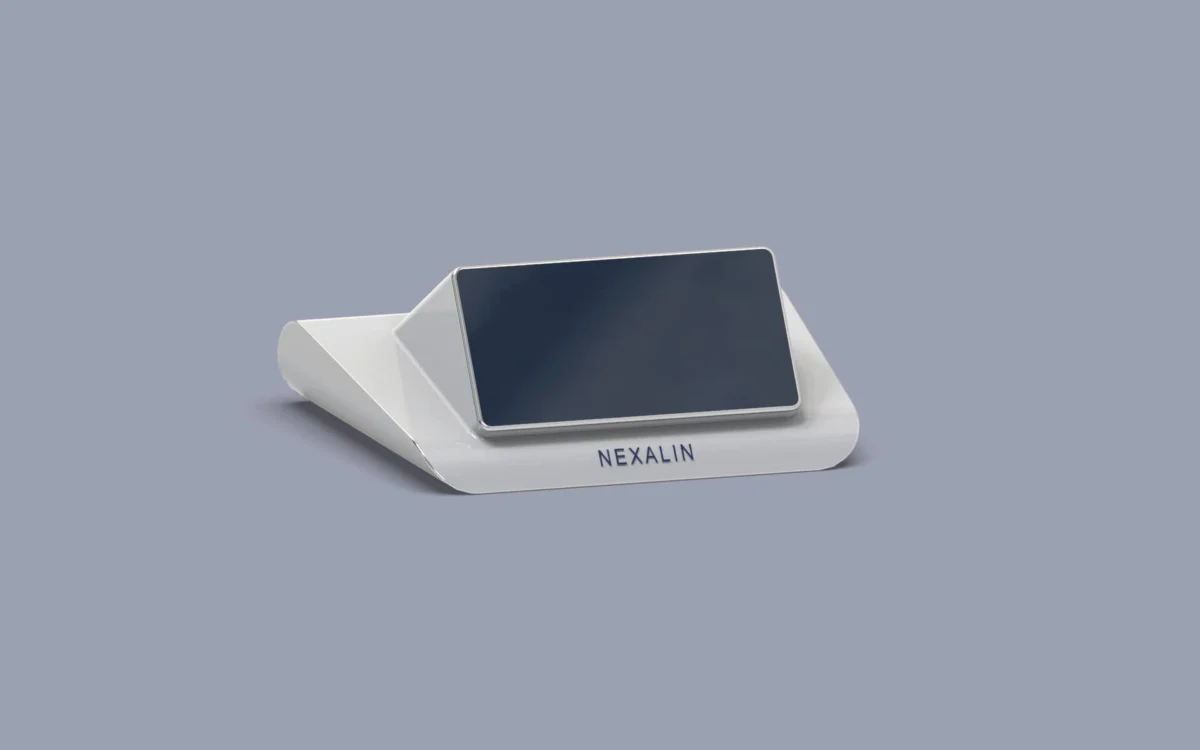
Nexalin’s DIFS technology aims to bridge this gap by utilizing a bioelectronic approach designed to target deep-seated mid-brain structures. By bypassing the need for invasive surgery—which is often required for deep brain stimulation (DBS)—Nexalin’s device presents a high-power, noninvasive alternative that is virtually undetectable to the user.
Study Methodology and Core Findings
The randomized, double-blind, sham-controlled trial was designed to rigorously evaluate the efficacy of a four-week treatment regimen. Participants were divided into two groups: one receiving active treatment using Nexalin’s 15 mA, 77.5 Hz stimulation, and the other receiving a sham procedure to account for the placebo effect.
Quantitative Improvements
The primary metric for success was the Pittsburgh Sleep Quality Index (PSQI), a standardized self-report questionnaire that assesses sleep quality and disturbances over a one-month interval.
- The Active Group: Patients treated with the active DIFS protocol saw their PSQI scores drop from an average of 13.8 to 7.7. This improvement is statistically significant (p < 0.001), indicating a meaningful reduction in insomnia severity and a restoration of sleep architecture.
- The Sham Group: Conversely, the sham control group showed no meaningful clinical change, with scores shifting only marginally from 13.8 to 13.9 (p = 0.74).
The stark contrast between these two groups reinforces the hypothesis that the physiological intervention provided by the DIFS technology—rather than the placebo effect—is the primary driver of patient improvement.
Neurobiological Mechanisms: Beyond Symptom Relief
What sets this study apart from previous trials in the field of neurostimulation is its deep dive into the why behind the how. Beyond measuring sleep quality, the researchers utilized neuroimaging to observe how the treatment impacted brain-network connectivity.
Modulation of Key Networks
The study found measurable modulation in two critical areas of the brain:
- The Default Mode Network (DMN): Often associated with self-referential thought and internal reflection, dysregulation of the DMN is frequently observed in patients with mood and sleep disorders.
- The Salience/Ventral Attention Network: This network is essential for detecting relevant stimuli and shifting attention. In patients with insomnia, this network is often stuck in a state of hyperarousal, making it difficult for the brain to "power down" at night.
The ability of the DIFS technology to influence these networks suggests that the treatment is not merely masking symptoms but is actively recalibrating the functional connectivity of the brain. This "reset" allows the patient’s central nervous system to transition more effectively into the restorative states necessary for sleep.
Chronology of Nexalin’s Clinical Development
The recent publication is the latest milestone in a multi-year effort by Nexalin to validate its proprietary platform.
- Early Development: Nexalin invested in the foundational engineering of the Gen-2 15 mA device, focusing on frequency-based bioelectronic pathways that could safely and effectively reach deep mid-brain structures without the need for electrode implantation.
- Global Expansion: As the technology matured, Nexalin secured regulatory approvals in several international markets, including China, Brazil, Oman, and Israel, establishing a baseline of safety and feasibility.
- Multicenter Validation: Before the most recent study, the company announced positive data from a 120-participant multicenter study, which provided the preliminary signals of efficacy that justified the current, more specialized neuroimaging trial.
- The HALO Clarity Trial: Currently, the company is deep into its pivotal HALO Clarity trial. This study is the definitive step toward a de novo FDA submission in the United States, which would potentially bring the technology into the mainstream American medical market.
Official Perspectives: Leadership and Scientific Vision
The implications of these findings have been met with optimism by the company’s leadership, who view the study as a validation of their core technological philosophy.
Dr. David Owens, Chief Medical Officer
Dr. David Owens emphasized that the study provides a critical "neuroimaging evidence" component that is often lacking in the device space. "This publication represents another important scientific validation point for Nexalin," Owens stated. "These findings go beyond simply suggesting symptom improvement; they provide evidence that our high-power, noninvasive approach is modulating key brain networks. This combination of clinical signal and mechanistic support reinforces the broader potential of DIFS across various neuropsychiatric indications."
Mark White, CEO of Nexalin Technology
CEO Mark White highlighted the competitive advantages of the DIFS platform. "Unlike conventional approaches that may be limited by power, invasiveness, or tolerability, DIFS is designed to deliver a differentiated, high-power, noninvasive stimulation approach that is undetectable to the human body," said White. He underscored that the company’s mission is to advance the standard of care for mental health by offering a superior platform that can address complex, brain-based disorders without the side effects often associated with systemic pharmaceutical interventions.
Implications for the Future of Neuropsychiatry
The implications of these findings extend far beyond the treatment of chronic insomnia. If a device can safely modulate the Default Mode Network and Salience/Ventral Attention networks, the same technology could theoretically be adapted for a wide range of neuropsychiatric conditions.
A Paradigm Shift in Treatment
For decades, psychiatry has been dominated by the "chemical imbalance" theory, which relies heavily on psychotropic medications. While effective for many, these drugs often struggle to address the underlying connectivity issues that define chronic disorders. Nexalin’s DIFS technology introduces a shift toward "functional medicine," where the goal is to physically tune the brain’s networks to a more homeostatic state.
Potential for Scalability
Because the device is noninvasive, it offers a high degree of scalability. Unlike DBS, which requires expensive surgical suites and specialized neurosurgeons, a DIFS device could eventually be integrated into outpatient clinics or, potentially, specialized home-care settings. This would significantly lower the barrier to entry for patients who suffer from refractory conditions.
Regulatory Hurdles and Next Steps
Despite the promising results, the road to widespread adoption is paved with rigorous regulatory requirements. The HALO Clarity trial will be the ultimate test for Nexalin. If successful, the data will form the backbone of the company’s de novo application to the FDA. Should the FDA grant clearance, it would validate the device as a legitimate, non-drug alternative for sleep medicine, potentially disrupting a multibillion-dollar market.
Conclusion
The publication in Psychotherapy and Psychosomatics serves as a watershed moment for Nexalin Technology. By demonstrating not just that their device works, but how it works at a neuroanatomical level, the company has elevated the discourse around noninvasive neurostimulation.
For the millions of individuals currently suffering from chronic insomnia, the prospect of a high-power, noninvasive treatment that recalibrates the brain’s internal networks offers a new sense of hope. As the medical community awaits the final results of the HALO Clarity trial, the data presented thus far suggests that we may be witnessing the birth of a new standard of care in the treatment of brain-based disorders. The integration of bioelectronic medicine into mainstream psychiatry is no longer a distant possibility; it is an active, evolving reality.