










For decades, the clinical definition of insomnia has been tethered to a singular, misleading metric: the average. Patients struggling with the crushing fatigue of chronic insomnia have long been told they aren’t sleeping "enough," with clinicians pointing to averages in total sleep time to gauge the severity of their condition. However, groundbreaking new research from Washington State University (WSU) and the University of Washington suggests that the medical community may have been looking at the wrong data entirely.
The study, recently published in the journal JMIR Formative Research, posits that the true pathology of chronic insomnia is not a lack of total sleep, but rather the chaotic, unpredictable nature of sleep patterns. By utilizing contactless, long-term monitoring technology, researchers have uncovered that the "insomnia experience" is defined by a lack of stability that averages simply cannot capture.
The Core Revelation: It’s Not About Quantity, It’s About Consistency
The study followed 112 adults—83 diagnosed with chronic insomnia and 29 healthy controls—over eight consecutive weeks. Using Sleep.ai’s contactless radiofrequency measurement technology, the researchers gathered objective, real-world data from the participants’ own bedrooms.
The findings were startling. When looking at the aggregate data, there was virtually no difference in the total duration of sleep between the two groups. Those with chronic insomnia averaged 6.57 hours of sleep per night, while the control group averaged 6.60 hours. If one were to rely solely on these averages, a clinician might conclude that patients with insomnia are sleeping nearly as well as those without the condition.
However, the "at-home" data revealed a stark contrast. While the control group exhibited a relatively stable sleep rhythm, the chronic insomnia cohort experienced massive, night-to-night fluctuations in sleep efficiency, the time it took to fall asleep, and the frequency of overnight wakefulness.
This variability is the "missing link" in insomnia research. It suggests that the body’s inability to settle into a predictable circadian rhythm—rather than an inability to accumulate hours—is what creates the debilitating symptoms associated with the condition.
Chronology of the Study: Moving Beyond the "Snapshot"
The methodology employed in this study marks a departure from traditional sleep medicine, which has historically relied on two flawed data sources: in-lab polysomnography (PSG) and self-reported sleep diaries.
The Limitations of the "Lab Snapshot"
For years, the "gold standard" for sleep assessment was a single night in a sleep laboratory. These studies are often criticized for the "first-night effect," where patients sleep poorly simply because they are in an unfamiliar, clinical environment connected to wires and sensors. Furthermore, a single night is merely a snapshot, failing to account for the longitudinal reality of a patient’s life.
The Eight-Week Longitudinal Approach
Recognizing these limitations, the WSU-led team opted for an eight-week, in-home observation period.
- Weeks 1–2: Baseline data collection to calibrate the contactless radiofrequency technology.
- Weeks 3–6: Continuous monitoring of sleep architecture, including sleep onset latency (time to fall asleep), total sleep time, and wake-after-sleep-onset (WASO).
- Weeks 7–8: Data synthesis and comparison between the experimental and control groups.
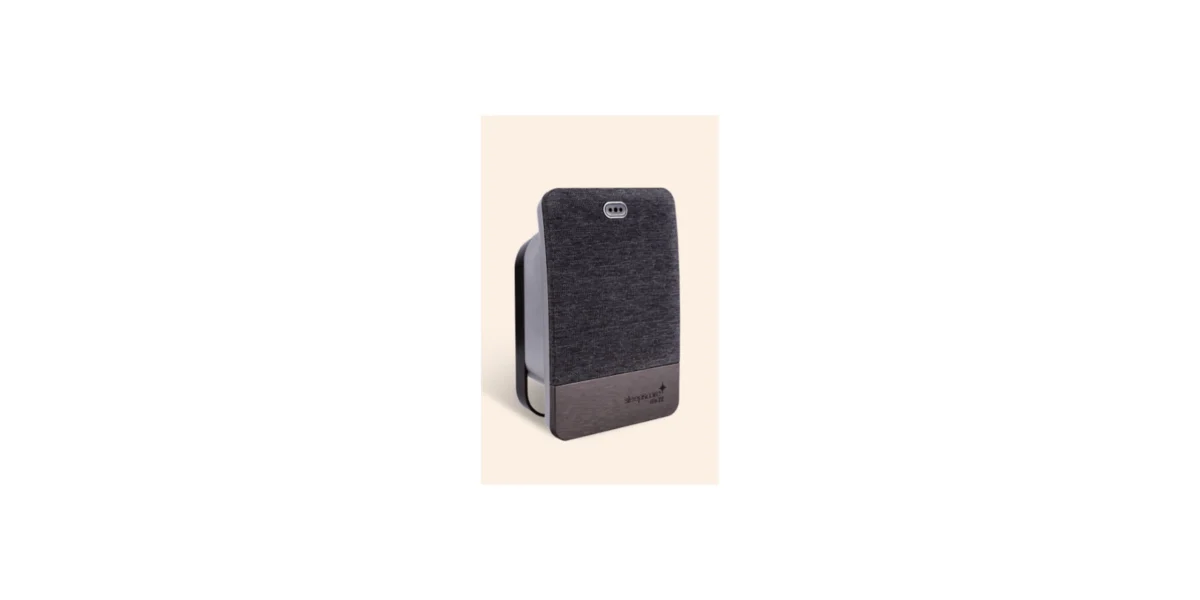
By utilizing the SleepScore Max device, the researchers were able to bypass the need for wearables, which can sometimes disrupt sleep or cause "technostress" in patients. This allowed for a truly objective, passive observation of how these individuals lived and slept in their natural habitats.
Supporting Data: Dissecting the Variability
The data collected provides a granular look at the instability of insomnia. While the average hours remained consistent, the standard deviation of sleep metrics was significantly higher in the insomnia group.
- Sleep Efficiency: This metric, representing the percentage of time spent in bed actually sleeping, showed high volatility in the insomnia group. A patient might have a "good" night of 90% efficiency followed by a "bad" night of 60% efficiency, creating a psychological state of apprehension.
- Sleep Onset Latency: The time required to drift off varied wildly for insomnia patients, often ranging from 10 minutes to over two hours within the same week. This inconsistency prevents the body from establishing a "sleep trigger" or a predictable wind-down routine.
- Nocturnal Wakefulness: The study tracked instances of "WASO" (Wake After Sleep Onset). Participants with chronic insomnia showed a fragmented sleep architecture, with frequent, unpredictable micro-arousals that prevented them from reaching deep, restorative stages of sleep.
These data points demonstrate that the "insomnia brain" is essentially in a state of high alert, unable to lock into the consistent cycles required for cognitive restoration.
Official Perspectives: Shifting the Paradigm
The research team, led by Dr. Devon A. Hansen, emphasizes that the findings necessitate an immediate pivot in clinical practice.
"For years, insomnia research focused on averages, which often made differences seem small," says Dr. Devon A. Hansen, PhD, lead author at Washington State University. "This study shows the real story: people with chronic insomnia live with unpredictable sleep night after night. Being able to track this objectively in people’s own homes over two months opens up new possibilities for both research and care."
Dr. Nathaniel F. Watson, a sleep doctor and professor at the University of Washington, echoes these sentiments. He notes that the current diagnostic criteria, which rely heavily on patient-reported questionnaires, are inherently flawed because patients are notoriously bad at estimating their own sleep-wake patterns.
"As a sleep doctor and researcher, I know how hard it can be to truly capture patients’ sleep experiences using traditional methods," says Dr. Watson. "This study shows that contactless, at-home sleep technology can fill that gap. Recognizing nightly variability as a core feature of insomnia could change how we screen, diagnose, and ultimately treat the condition."
From the technology provider’s perspective, the study serves as a validation of the move toward "invisible" health monitoring. Dr. Elie Gottlieb, head of applied science at Sleep.ai, highlights that the technology is designed to capture reality without intervention.
"This study validates that meaningful sleep insights require more than a single night’s snapshot," Dr. Gottlieb notes. "By tracking sleep objectively and contactlessly in people’s own homes, we can move beyond lab-based limits and give consumers and clinicians tools to understand sleep as it truly happens, night after night—all without a wearable or touching the body."
Implications for Future Care and Treatment
The implications of this study are profound, potentially shifting the focus of sleep medicine from "quantity-focused" to "rhythm-focused" interventions.
Rethinking Diagnosis
Clinicians may need to move away from relying on average metrics. Future diagnostic tools could require a "variability index" that measures how consistent a patient’s sleep is over a 14-day period. A patient with a high variability index may be diagnosed with a specific subtype of insomnia that requires rhythm-stabilizing therapies rather than traditional sedative-hypnotics.
Precision Medicine in Sleep
For pharmaceutical companies and developers of digital therapeutics, the "variability" finding opens the door to new endpoints. Instead of asking, "Did the patient sleep more?", clinical trials could ask, "Did the patient sleep more consistently?" Treatments that successfully stabilize the sleep-wake rhythm may prove to be far more effective at improving quality of life than drugs that simply increase total sleep time.
Patient Empowerment
For the millions living with chronic insomnia, this study offers validation. Many patients often feel "gaslit" by clinical results that suggest their sleep is "fine" because their average duration falls within the normal range. Understanding that their struggle is a documented, physiological pattern of instability—rather than a failure of effort—can be a powerful step toward recovery.
Conclusion: A New Frontier in Sleep Health
The study led by Washington State University serves as a clarion call to the medical community. By proving that chronic insomnia is a disorder of unpredictability, the researchers have fundamentally altered our understanding of the condition.
As technology continues to advance, the ability to monitor sleep in the home environment will become increasingly accessible. The transition from the "average" to the "individualized" is not just a technological upgrade—it is a necessary evolution in how we define, diagnose, and treat one of the most pervasive health issues of the modern era. The future of sleep medicine lies in the night-to-night story of the patient, and this study provides the map for that journey.