









In a landmark development for cardiovascular health, researchers have unveiled results from a phase three clinical trial of an experimental daily pill that could fundamentally alter how physicians treat heart disease. The drug, known as enlicitide, has demonstrated the ability to slash levels of low-density lipoprotein (LDL)—the "bad" cholesterol—by as much as 60%. The findings, recently published in The New England Journal of Medicine, suggest that if the drug secures approval from the U.S. Food and Drug Administration (FDA), it could provide a transformative, user-friendly alternative to current injectable therapies for millions of Americans at risk of heart attack and stroke.
The Challenge of Atherosclerosis: Why LDL Matters
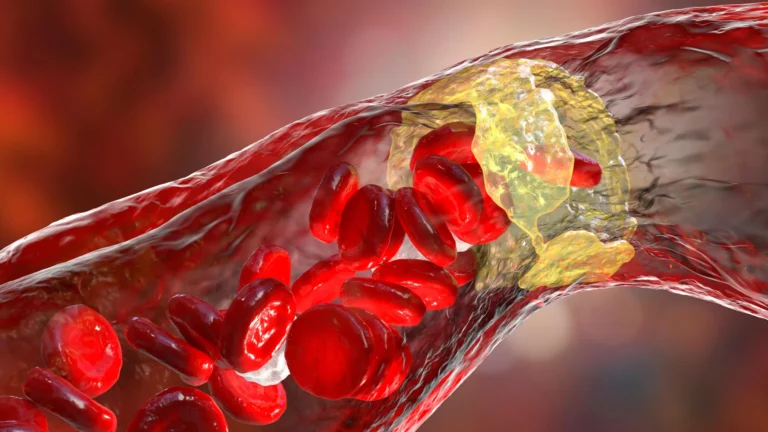
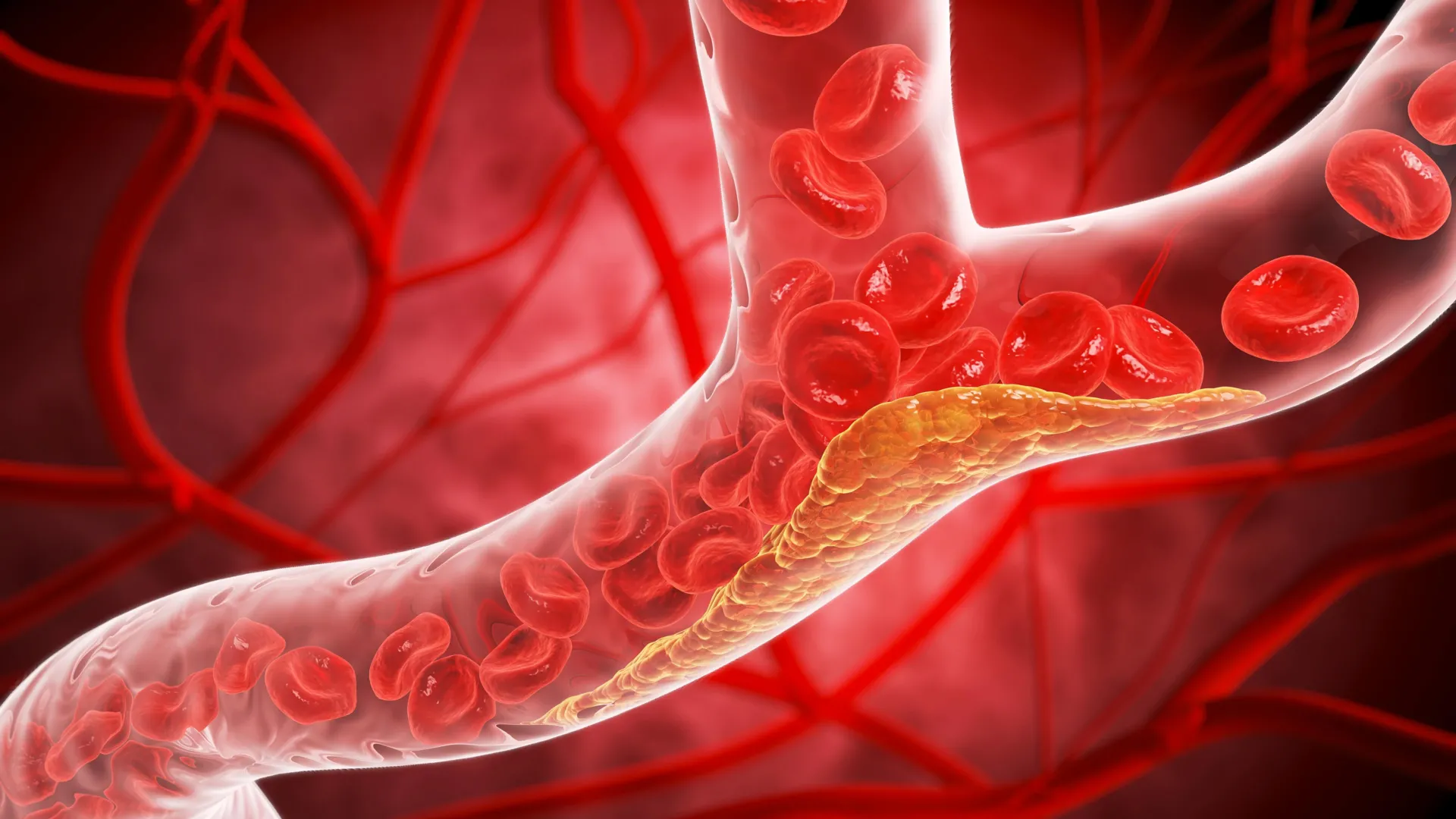
Cardiovascular disease remains the leading cause of death globally, and at the heart of the crisis is atherosclerosis—the process by which cholesterol particles infiltrate artery walls. Over decades, this accumulation of plaque narrows the arteries, restricting blood flow and setting the stage for life-threatening cardiovascular events.
For clinicians, the primary objective has long been the aggressive reduction of LDL cholesterol. Despite the widespread availability of statins, many patients—particularly those with established atherosclerotic cardiovascular disease—struggle to meet their cholesterol targets. Data indicates that fewer than half of these high-risk patients currently reach their recommended LDL levels, leaving them vulnerable to recurring events.
"An oral therapy this effective has the potential to dramatically improve our ability to prevent heart attacks and strokes on a population level," says Dr. Ann Marie Navar, M.D., Ph.D., a cardiologist and Associate Professor of Internal Medicine at UT Southwestern Medical Center, who led the phase three trial.
A Legacy of Scientific Breakthroughs: The UTSW Connection
The emergence of enlicitide is not an isolated discovery; rather, it is the latest chapter in a long-standing tradition of cholesterol research at UT Southwestern Medical Center. The scientific journey began in the 1970s and 80s with the pioneering work of Michael Brown, M.D., and Joseph Goldstein, M.D.
Their discovery of the LDL receptor on liver cells—a mechanism responsible for clearing cholesterol from the bloodstream—earned them the Nobel Prize in Physiology or Medicine in 1985. This breakthrough provided the foundational blueprint for statins, which remain the first line of defense against hypercholesterolemia.
The intellectual lineage continued with the Dallas Heart Study, led by Helen Hobbs, M.D., and Jonathan Cohen, Ph.D. Their research identified individuals with naturally low LDL cholesterol levels, revealing that genetic mutations could reduce the production of the PCSK9 protein. By inhibiting this protein, the body becomes significantly more efficient at clearing LDL from the blood. This discovery paved the way for the development of injectable PCSK9 inhibitors, such as evolocumab and alirocumab, which have proven highly effective but have faced adoption hurdles in real-world clinical practice.
Addressing the Barriers to Care
While injectable PCSK9 inhibitors are potent, their utilization has been hindered by several factors. Historically, high costs and restrictive insurance protocols created significant barriers for patients. However, even as costs have become more manageable, a more fundamental obstacle remains: the "needle fatigue" associated with regular injections.
Many physicians report that patients are often reluctant to initiate injectable therapies, preferring oral medications. By targeting the same PCSK9 pathway but delivering it in a once-daily pill, enlicitide offers a more accessible, patient-friendly solution. "Even the highest intensity statins are often not enough to get people to their cholesterol goals," Dr. Navar explains. "Enlicitide bridges the gap between high efficacy and patient convenience."
Inside the Phase Three Clinical Trial
The study, sponsored by Merck & Co. Inc., was designed to test the drug in a real-world context. Researchers enrolled 2,909 participants, all of whom were either diagnosed with atherosclerosis or were at high risk due to related health comorbidities.
The trial design was rigorous:
- Participant Profile: Most participants were already adhering to statin therapy, yet their average LDL cholesterol levels remained at 96 mg/dl. This is significantly above the recommended thresholds of 70 mg/dl for patients with atherosclerosis and 55 mg/dl for those at the highest risk.
- The Methodology: Two-thirds of the cohort were assigned to the enlicitide group, while the remaining third received a placebo.
- The Duration: The trial monitored patients for 24 weeks, with a follow-up period extending to one full year.
The results were statistically profound. After 24 weeks, patients on enlicitide experienced a 60% reduction in LDL cholesterol compared to the placebo group. Furthermore, the drug demonstrated efficacy in lowering other critical cardiovascular markers, including non-HDL cholesterol, apolipoprotein B, and lipoprotein(a).
"These reductions in LDL cholesterol are the most we have ever achieved with an oral drug by far since the development of statins," Dr. Navar noted. The maintenance of these levels over a full year suggests that the drug is not only effective in the short term but potentially sustainable for long-term chronic management.
Official Perspectives and Expert Analysis
The medical community has responded with cautious optimism. Dr. Navar emphasized that the trial population was specifically chosen to mirror the demographics seen in everyday clinical practice. "The study population reflects what we see in the clinic," she stated. "These are patients who are already on standard care but are failing to reach their targets. Enlicitide provides a much-needed tool to help them cross that finish line."
The study’s funding by Merck Sharp & Dohme, a subsidiary of Merck, underscores the industry’s commitment to finding non-injectable solutions to cardiovascular disease. As part of the transparency protocols, it was disclosed that Dr. Navar has received consulting fees from Merck and other pharmaceutical companies involved in lipid-lowering research.
The Future: Beyond Cholesterol Numbers
While a 60% reduction in LDL is a major pharmacological achievement, the ultimate goal of cardiovascular medicine is the reduction of clinical events—specifically, the prevention of heart attacks, strokes, and cardiovascular-related deaths.
To that end, a secondary clinical trial is already underway. This follow-up study aims to confirm whether the massive reductions in LDL cholesterol seen in the phase three trial translate into a proportional decrease in actual cardiovascular events. If the data from this ongoing study proves positive, enlicitide could potentially redefine the standard of care for millions of patients worldwide.
Implications for Public Health
If approved, enlicitide could represent the most significant advancement in oral cholesterol management since the introduction of statins nearly four decades ago. By simplifying the treatment regimen, health systems may see higher rates of adherence, better long-term outcomes for high-risk patients, and a potential reduction in the burden of cardiovascular disease on the healthcare system.
As the scientific community awaits the final event-driven trial results, the success of enlicitide serves as a testament to the power of targeted, pathway-specific medicine. By building upon the foundational Nobel Prize-winning discoveries of the past and addressing the practical challenges of the present, researchers are moving closer to a future where heart disease is not just manageable, but increasingly preventable.
Key Personnel and Contributors:
- Dr. Ann Marie Navar: Lead investigator; Associate Professor, UT Southwestern.
- Dr. Michael Brown & Dr. Joseph Goldstein: Nobel Laureates; pioneers in LDL receptor research.
- Dr. Helen Hobbs & Dr. Jonathan Cohen: Key figures in the Dallas Heart Study and PCSK9 research.
- Funding: Provided by Merck Sharp & Dohme.