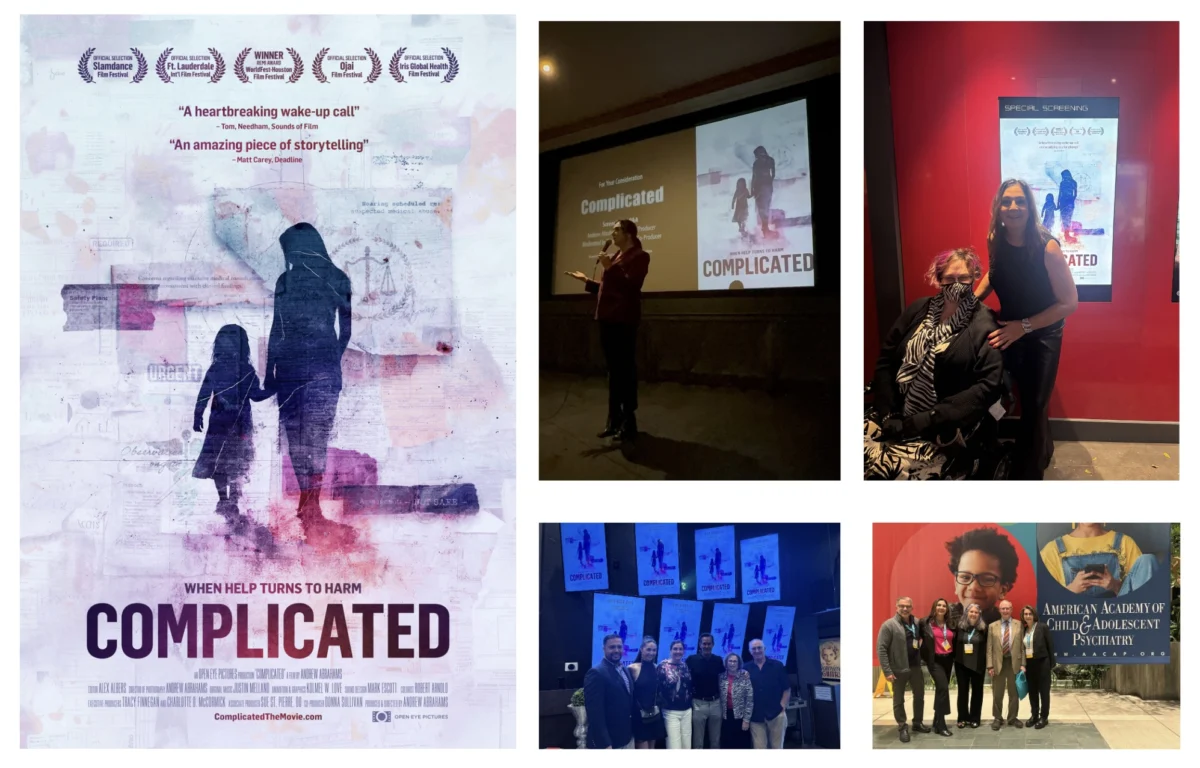
The release of the documentary film Complicated on Apple TV this May represents far more than a cinematic milestone for the Ehlers-Danlos Syndrome (EDS) community. For director Andrew Abrahams and producer DM Sullivan, the film is the culmination of a nine-year journey to illuminate the often-invisible struggles of patients living with multi-system connective tissue disorders. Arriving during Ehlers-Danlos Syndrome Awareness Month and coinciding with the lead-up to Mother’s Day, the film serves as a visceral, unflinching look at the medical gaslighting, systemic failures, and the harrowing reality of families unfairly targeted by child protective services due to medical misunderstandings.
Main Facts: The Intersection of Advocacy and Film
Complicated is a feature-length documentary that chronicles the lives of several families navigating the complex, often broken, healthcare system while living with Ehlers-Danlos Syndrome. The core of the film addresses the "care gap"—the chasm between a patient’s lived reality and the clinical recognition of their symptoms.
The documentary specifically highlights the traumatic phenomenon of medical abuse allegations. When clinicians fail to understand the multisystemic nature of EDS, they often misinterpret legitimate symptoms as signs of abuse or Munchausen syndrome by proxy. This leads to the separation of families and the secondary trauma of legal and social service investigations. Beyond the film’s release, the production team has launched clinical education initiatives aimed at bridging this knowledge gap, providing resources for families, and facilitating a dialogue between patients and providers that centers on clinical humility and evidence-based understanding.
Chronology: A Nine-Year Trajectory
The path to Complicated began nearly a decade ago, born from a need to document the voices that mainstream medical data had historically silenced or ignored.
- 2017–2020: Initial research and development of the project, focusing on identifying families impacted by the misdiagnosis of EDS and the resulting legal consequences.
- 2021–2024: Production phase, characterized by deep, longitudinal interviews with families and medical professionals.
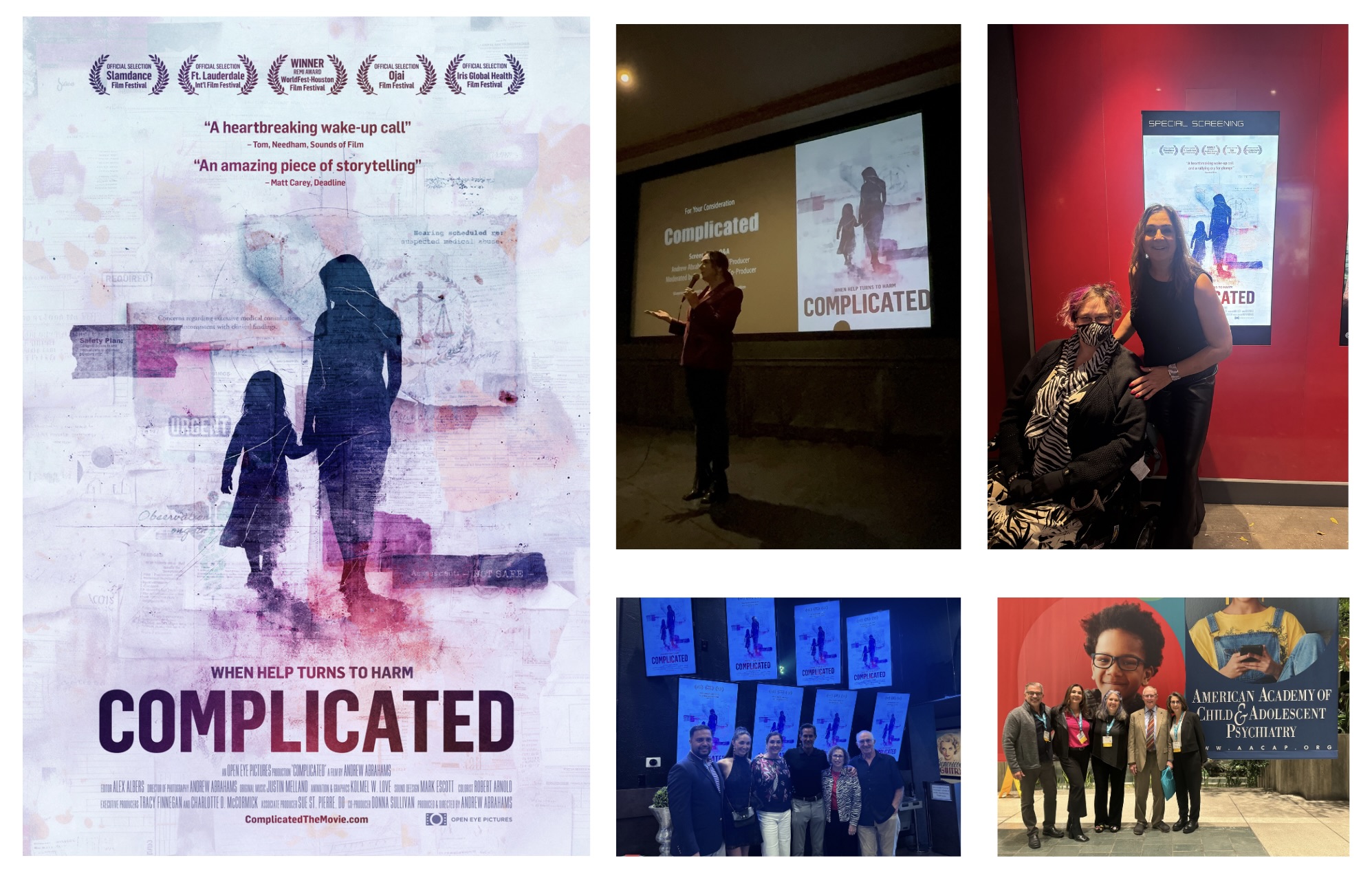
- 2025: The "Festival Circuit" year. The film was presented at various film festivals, patient advocacy screenings, and medical conferences. This period served as a litmus test for the film’s reception, revealing a surprising openness from the medical community to address these "historical care challenges."
- May 2026: The official launch on Apple TV. This period marks the transition from advocacy-through-storytelling to systemic reform, including the integration of clinical education modules.
Supporting Data and the Changing Medical Paradigm
For years, the patient experience in the EDS community was relegated to anecdotal evidence, often dismissed by researchers. However, the current landscape is shifting. The last twelve months have seen a flurry of peer-reviewed research papers that have begun to validate the multisystemic nature of EDS—a reality patients have articulated for decades.
Key Developments in the Field:
- Diagnostic Evolution: The Ehlers-Danlos Society is currently finalizing new diagnostic criteria, slated for release in late 2026. These criteria are expected to provide the standard of care necessary to reduce diagnostic delay, which currently averages several years for many patients.
- Institutional Investment: The University of Virginia (UVA) has emerged as a leader in this space, hosting high-level EDS symposiums and launching one of the nation’s first comprehensive EDS clinics. This clinic represents a departure from siloed care, integrating research directly into the clinical workflow.
- The Long COVID Parallel: The rise of Long COVID has inadvertently provided a new lens through which the medical community views EDS. As more patients present with complex, systemic issues that mirror EDS symptoms, physicians are being forced to confront the limitations of traditional, specialty-specific medicine.
Official Responses and the "Care Gap"
During the screenings of Complicated held over the past year, a recurring theme emerged among healthcare providers: the admission of profound knowledge gaps. Many physicians have expressed that their training provided little to no instruction on how to recognize the clinical manifestations of connective tissue disorders.
DM Sullivan, the producer of Complicated and founder of Elevate Rare, notes that the most powerful response to the film is not just empathy, but a pragmatic, "How can we work together to fix this?" The film has become a catalyst for what the production team calls "clinical humility"—a move away from the defensive, gatekeeping stance that often characterizes interactions between providers and patients with rare diseases.
However, the reality remains stark. Despite the progress in research, individual patient outcomes remain inconsistent. Sullivan herself noted a personal irony: her own daughter’s recent experience with Long COVID, which exacerbated her EDS, resulted in encounters with top-tier hospitals where her symptoms were once again dismissed or misattributed. This serves as a grim reminder that institutional progress at the research level does not always translate to improved care at the bedside.
Implications: The Road Ahead
The implications of Complicated extend far beyond the screen. By moving the conversation into the public sphere, the film forces an acknowledgment of the systemic trauma inflicted upon families.
1. Reforming Medical Education
The primary goal of the post-release phase is the implementation of clinical education. If doctors are taught to recognize the multisystemic patterns of EDS, the rate of false allegations of medical abuse is expected to drop. This requires a curriculum shift that teaches medical students to prioritize the "lived experience" as a valid clinical data point.
2. Legal and Protective Advocacy
Through organizations like Elevate Rare, the team is building a support network for families under investigation by child protective services. The goal is to provide these families with the medical expertise needed to advocate for themselves in legal settings, ensuring that their children receive medical care rather than punitive scrutiny.
3. The Power of "Together"
The documentary emphasizes that change cannot be top-down. The collaboration between the patient advocacy community, researchers, and clinicians is the only mechanism capable of closing the care gap. As the film hits Apple TV on May 19, the filmmakers hope it will act as a tool for those in positions of power—hospital administrators, medical board members, and policy makers—to engage in the difficult, necessary conversations required to reform the standard of care.
Conclusion: Why Now?
May 2026 is a pivotal moment. With the convergence of EDS Awareness Month, the release of Complicated, and the anticipation of new diagnostic criteria, the community is at a crossroads. While there is a palpable sense of hope, the "real work" is only just beginning. The success of this movement will be measured not by the viewership of the documentary, but by the tangible reduction in diagnostic delay and the protection of families who have for too long been caught in the crosshairs of a system that failed to see them.
Call to Action for Impacted Families
If you or your family have been subjected to investigations by child protective services due to medical misunderstandings related to rare or chronic conditions, you are not alone. Please reach out to ElevateRare.org to connect with resources and advocacy support.
Upcoming Virtual Screening
For those wishing to engage with the material before the official May 19 release, a special virtual screening of Complicated will be held on Saturday, May 2nd, from 2:00 PM to 4:00 PM (EST). The event will feature a live discussion with the families featured in the film. Click here for ticket information and registration.