Washington D.C. – [Date of Publication] – In a significant leap forward for millions living with essential tremor (ET), the U.S. Food and Drug Administration (FDA) has granted 510(k) clearance for the Encora X1, an innovative noninvasive, wrist-worn neurostimulation device. Developed by Encora Therapeutics, a leader in non-invasive neuromodulation technology, this breakthrough device promises to reduce debilitating hand tremors and markedly improve daily functional abilities in adults afflicted by this widespread movement disorder. The clearance signals a new era of accessible, on-demand symptom management, offering a non-surgical, drug-free alternative to current treatment paradigms.
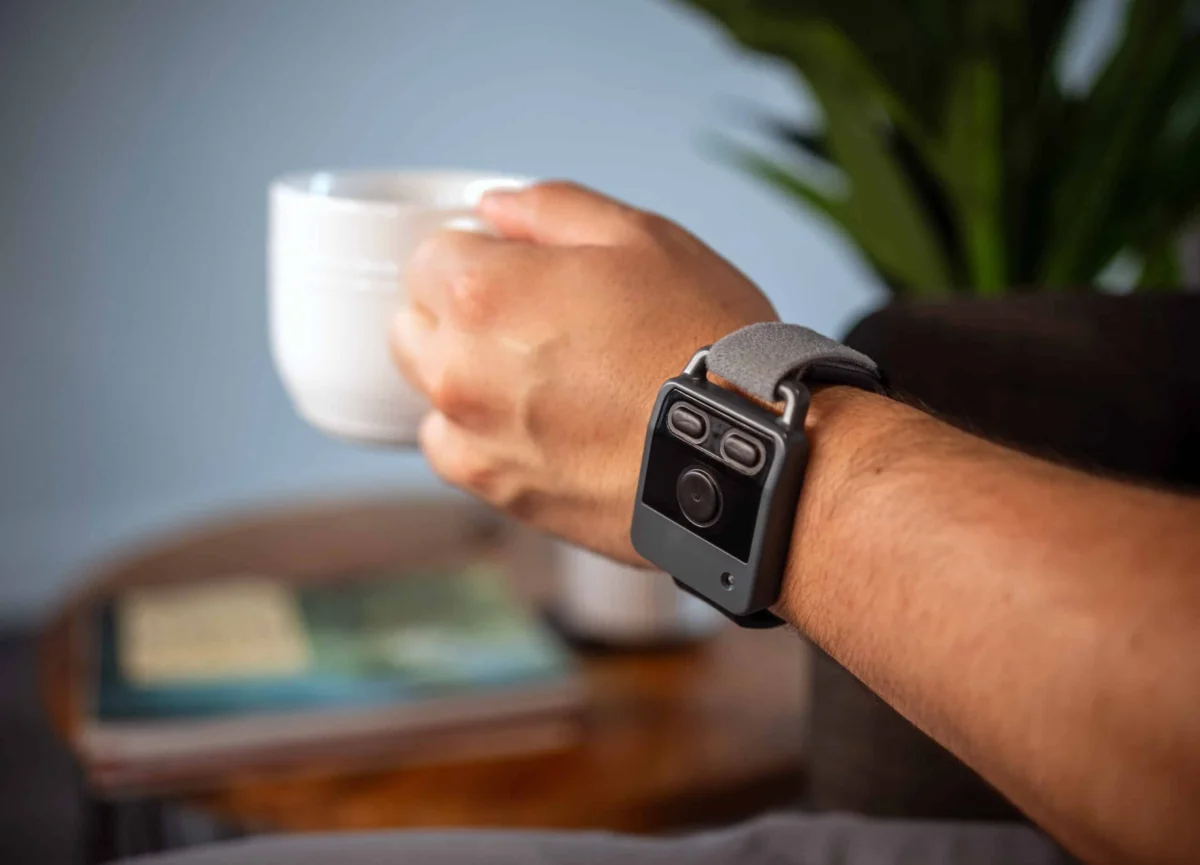
The Encora X1 stands out as a discreet, lightweight wearable, akin to a smartwatch, designed to seamlessly integrate into a patient’s daily routine. Its core functionality lies in its ability to sense tremor rhythms in real-time and deliver customized electrical stimulation to the wrist, effectively disrupting the erratic neural signals responsible for the tremor. This targeted approach aims to restore stability and enhance motor control, empowering patients to perform everyday tasks – from the simple act of drinking from a cup to the intricate motion of writing or dialing a phone – with renewed confidence and independence. The FDA’s decision, underpinned by robust clinical data, positions the Encora X1 as a prescription-only device, poised to transform the quality of life for an underserved patient population.
Main Facts: Redefining Essential Tremor Management
The announcement from Encora Therapeutics marks a pivotal moment in the landscape of essential tremor treatment. The FDA’s 510(k) clearance for the Encora X1 confirms its safety and effectiveness, authorizing its commercial marketing as a prescription wearable device. This critical regulatory milestone paves the way for the device to become a tangible reality for the estimated seven million Americans grappling with ET, a condition often misunderstood and inadequately managed.
Essential tremor is characterized by involuntary, rhythmic shaking, predominantly affecting the hands, but also capable of impacting the head, voice, legs, and torso. While not life-threatening, its pervasive nature significantly impairs quality of life, leading to difficulties in performing basic self-care activities, social embarrassment, and occupational challenges. For too long, treatment options have been limited, often forcing patients to choose between medications with significant side effects or invasive surgical procedures carrying inherent risks and high costs. The Encora X1 emerges as a much-needed bridge, offering a non-pharmacological, non-surgical pathway to symptom relief.
The device’s innovative design centers on its ability to provide on-demand relief. Unlike continuous therapies, the Encora X1 can be activated by the user when tremors interfere with specific tasks, granting patients unprecedented control over their symptoms. This empowers individuals to engage more fully in their lives, reclaiming activities that essential tremor had previously made impossible. Encora Therapeutics’ commitment to patient-centric design is evident in every aspect of the Encora X1, from its unobtrusive form factor to its intuitive operation, ensuring that relief is not just available, but readily accessible when it matters most.
Chronology: The Journey Towards a Non-Invasive Solution
The development of the Encora X1 is rooted in a deep understanding of the challenges faced by essential tremor patients and a persistent quest for more effective, less burdensome interventions. Essential tremor, first medically described centuries ago, remains one of the most common neurological movement disorders globally, surpassing Parkinson’s disease in prevalence. Despite its widespread impact, research into its precise etiology and optimal treatments has lagged, leaving many patients feeling overlooked.
Historically, the management of essential tremor has followed a somewhat predictable path. The initial line of defense typically involves pharmacological agents such as beta-blockers (e.g., propranolol) and anti-seizure medications (e.g., primidone). While these drugs can offer some relief for a subset of patients, their efficacy is often partial, and they frequently come with a host of undesirable side effects, including fatigue, dizziness, nausea, and cognitive impairment, leading to poor adherence or discontinuation. For those who do not respond to medication or cannot tolerate its side effects, the options become significantly more invasive.
For decades, deep brain stimulation (DBS) has been a gold standard for severe, refractory ET. DBS involves surgically implanting electrodes into specific brain regions, connected to a pulse generator placed under the skin in the chest. While highly effective for many, DBS is a major neurosurgical procedure, carrying risks such as infection, hemorrhage, and hardware malfunction. More recently, focused ultrasound (FUS) thalamotomy has emerged as another invasive option, using targeted ultrasound waves to create a lesion in the brain, offering a non-incisional surgical alternative but still involving a permanent brain alteration and potential side effects. The significant barriers of invasiveness, cost, and accessibility associated with these procedures left a substantial gap in the treatment spectrum for millions of patients.
It was against this backdrop that Encora Therapeutics embarked on its mission. Founded with the explicit goal of restoring independence for movement disorder patients, the company recognized the urgent need for non-invasive, patient-controlled therapies. The vision for the Encora X1 coalesced around the idea of leveraging advanced neuromodulation technology in a wearable format, thereby circumventing the complexities and risks of surgical interventions and the systemic side effects of oral medications. The company’s journey involved years of rigorous research and development, translating complex neuroscience into a user-friendly device. The pursuit of FDA 510(k) clearance, a regulatory pathway for medical devices demonstrating substantial equivalence to a legally marketed predicate device, necessitated not only innovative engineering but also robust clinical validation to prove the Encora X1’s safety and efficacy. This systematic approach, from initial concept to clinical trials, underscores Encora Therapeutics’ dedication to bringing a truly impactful solution to market.
Supporting Data: Clinical Validation and Neuromodulation Science
The FDA’s 510(k) clearance for the Encora X1 was not merely a procedural formality but a direct consequence of compelling clinical evidence demonstrating the device’s efficacy and safety. Encora Therapeutics meticulously supported its application with data derived from two pivotal clinical studies, each designed to provide a comprehensive understanding of the device’s performance in varied settings.
The cornerstone of this evidence came from a randomized, sham-controlled clinical trial. This rigorous study design is considered the gold standard in medical research for establishing the efficacy of an intervention. In such a trial, participants are randomly assigned to either receive the active Encora X1 device or a "sham" device that looks and feels identical but delivers no therapeutic stimulation. This blinding ensures that neither the patient nor the researchers are aware of who is receiving the active treatment, thereby minimizing bias. The study meticulously evaluated endpoints such as objective tremor severity using validated scales (e.g., the Fahn-Tolosa-Marin Tremor Rating Scale) and functional outcomes related to activities of daily living (ADLs). The results demonstrated consistent and statistically significant improvements in tremor severity and a notable enhancement in the ability to perform crucial tasks like eating, drinking, and writing among those using the active Encora X1 device, in contrast to the control group.
Complementing the controlled trial, a 90-day home-use study provided invaluable real-world data. This study shifted the focus from a supervised clinical environment to the patient’s natural habitat, assessing the device’s performance, usability, and sustained benefits over an extended period of daily life. The findings from this study reinforced the positive outcomes observed in the controlled trial, confirming the Encora X1’s ability to maintain consistent improvements in tremor severity and functional tasks in a practical, day-to-day context. This long-term data also provided crucial insights into patient adherence, satisfaction, and the device’s overall impact on quality of life, affirming its seamless integration into routine activities.
At the heart of the Encora X1’s effectiveness lies its sophisticated mechanism of action. The device employs proprietary algorithms that continuously analyze a patient’s tremor signature in real-time. Once the tremor rhythm is identified, the device delivers precise, targeted electrical stimulation to the nerves in the wrist. This stimulation is designed to modulate the neural pathways involved in generating the tremor, specifically aiming to disrupt the aberrant feedback loops that perpetuate the involuntary shaking. While the exact neural circuits involved in essential tremor are complex and not fully elucidated, research suggests that pathological oscillations between the cerebellum, thalamus, and motor cortex play a significant role. By delivering localized electrical signals, the Encora X1 essentially "recalibrates" or "interrupts" these faulty signals, providing a temporary but effective stabilization of motor control. This non-invasive neuromodulation offers a stark contrast to surgical interventions that permanently alter brain tissue, providing a reversible and adjustable therapeutic approach.
Beyond its clinical prowess, the Encora X1’s design features underscore its patient-centric philosophy. Its lightweight and discreet form factor, comparable in size to a conventional smartwatch, ensures it can be worn comfortably without drawing undue attention. This unobtrusiveness is crucial for patients who often experience social anxiety due to their tremors. The ability for on-demand use means patients can activate the device precisely when they need relief, whether it’s for a meal, a meeting, or a creative pursuit. This flexibility stands in stark contrast to continuous medication regimens or permanent surgical changes, offering a truly personalized approach to tremor management.
Official Responses: Voices of Hope and Innovation
The FDA clearance has been met with enthusiastic responses from both the leadership at Encora Therapeutics and key figures in the medical community, each underscoring the profound significance of this milestone for essential tremor patients.
Nadim Yared, Chief Executive Officer of Encora Therapeutics, articulated the culmination of years of dedicated effort: "This clearance represents the culmination of rigorous research and patient-centric design. We are eager to bring this novel solution to patients who have long waited for more options." His statement highlights not only the scientific diligence behind the Encora X1 but also the foundational principle of centering the patient’s needs throughout the development process. Patient-centric design, in this context, means creating a device that is not only effective but also easy to use, comfortable, and empowering, allowing individuals to regain control over their lives without adding new burdens.
Alli Davanzo, co-founder and Vice President of Business Operations at Encora Therapeutics, echoed this sentiment, emphasizing the company’s core mission: "We started Encora with a simple goal: to restore independence for movement disorder patients. Today, we are one step closer to making that vision a reality. Encora X1 offers a non-surgical, drug-free alternative, allowing patients to manage their symptoms on their own terms." Davanzo’s remarks resonate with the widespread desire among ET patients for effective treatments that avoid the complexities of surgery or the systemic side effects of medication. The emphasis on "managing symptoms on their own terms" speaks directly to patient empowerment, offering a level of autonomy previously unavailable to many.
Perhaps one of the most compelling endorsements came from the medical community, particularly from those on the front lines of treating essential tremor. Ann Murray, MD, principal investigator and chief of the WVU Rockefeller Neuroscience Institute (RNI) Comprehensive Movement Disorder Center, provided a crucial clinical perspective: "The data demonstrate meaningful improvement in tremor severity and functional outcomes for patients with limited options. For the 7 million Americans suffering from essential tremor, medications are often ineffective or poorly tolerated, leaving invasive brain therapy as the only alternative. Non-invasive technologies like this represent an important area of innovation in the treatment of essential tremor."
Dr. Murray’s statement is particularly impactful as it candidly acknowledges the current limitations of ET treatment. She highlights the often-frustrating reality for patients: a trial-and-error process with medications that frequently fall short in efficacy or are accompanied by debilitating side effects, pushing many towards the daunting prospect of invasive brain surgery. Her recognition of the Encora X1 as "an important area of innovation" signals a paradigm shift, validating the need for and the potential impact of non-invasive alternatives. For movement disorder specialists, a device that can offer meaningful functional improvement without the risks of surgery or the burden of systemic drugs represents a significant addition to their therapeutic arsenal. The FDA’s 510(k) clearance, therefore, is not just a regulatory green light but a beacon of hope, officially recognizing the Encora X1 as a legitimate and valuable treatment option.
Implications: A Future of Enhanced Independence and Accessibility
The FDA clearance of the Encora X1 carries profound implications, not only for the millions of individuals living with essential tremor but also for the broader landscape of neurological care and medical device innovation. This development promises to reshape treatment pathways, enhance patient quality of life, and potentially influence healthcare economics.
Impact on Patients: For individuals suffering from essential tremor, the Encora X1 offers a newfound sense of hope and independence. The ability to mitigate tremors on demand means patients can reclaim fundamental activities that ET often renders impossible. This could range from the simple pleasure of holding a grandchild without fear of shaking, to maintaining employment, pursuing hobbies, or confidently participating in social gatherings. The reduction in functional impairment directly translates to an improved quality of life, decreased social isolation, and enhanced psychological well-being. Moreover, for those who have exhausted medication options or are unsuitable candidates for invasive surgery, the Encora X1 provides a viable and attractive alternative, filling a critical void in current care. It represents a personalized approach, allowing patients to dictate when and how they manage their symptoms, fostering a greater sense of control over their condition.
Impact on Healthcare Providers and Systems: The introduction of a non-invasive, wearable solution like the Encora X1 could significantly alter treatment algorithms for essential tremor. Physicians will now have a new, less intrusive tool in their armamentarium, potentially leading to earlier interventions for patients who might otherwise delay treatment due to the fear of surgery or medication side effects. The device could reduce the burden on healthcare systems by offering a cost-effective alternative to expensive and resource-intensive surgical procedures and their associated follow-up care. While the Encora X1 is available by prescription only, necessitating physician involvement for diagnosis and recommendation, its non-surgical nature simplifies the treatment process significantly. This may lead to greater accessibility, particularly in areas where specialized neurosurgical centers are scarce. Furthermore, the success of the Encora X1 could spur further innovation in non-invasive neuromodulation for other movement disorders or neurological conditions, opening new avenues for research and development.
Market and Commercialization Outlook: Encora Therapeutics now faces the task of commercializing the Encora X1. This will involve strategic manufacturing, distribution, and extensive education campaigns targeting both healthcare professionals and the patient community. Securing insurance coverage will be a crucial next step to ensure broad patient access, as the "prescription-only" status implies a medical necessity and often requires reimbursement. The market for essential tremor devices is substantial, and as a first-in-class non-invasive wearable with FDA clearance, the Encora X1 is poised to capture a significant share. Future iterations of the device, or adaptations for other conditions, could also be on the horizon, leveraging Encora Therapeutics’ proprietary neuromodulation platform.
Safety and Considerations: It is important to reiterate the safety information associated with the Encora X1. While clinical trials demonstrated that device-related adverse events were non-serious and self-resolving, patients should be aware of potential side effects, including temporary numbness, skin irritation, muscle weakness, discomfort, buzzing/tingling sensations, and in rare instances, a temporary worsening of tremor. These are generally localized and transient. The device is not a cure for essential tremor, but rather a tool for symptom management. As mandated by federal law, the Encora X1 can only be sold by or on the order of a physician, underscoring the importance of a proper medical diagnosis and professional guidance in its use.
In conclusion, the FDA clearance of the Encora X1 represents more than just a regulatory approval; it is a testament to persistent innovation and a profound commitment to improving human health. By offering a non-invasive, patient-controlled, and effective solution for hand tremors in essential tremor, Encora Therapeutics has not only brought a novel product to market but has also illuminated a brighter path forward for millions seeking relief and independence. The future of essential tremor management, it seems, will be increasingly defined by smart, wearable technologies that empower patients to live fuller, more stable lives.