










For decades, the scientific community viewed fat cells—or adipocytes—as little more than the body’s biological pantry: static, passive storage units designed to warehouse excess energy for a rainy day. However, recent breakthroughs led by researchers at the University of Toulouse’s Institute of Metabolic and Cardiovascular Diseases (I2MC) are fundamentally rewriting the textbooks on human metabolism.
By uncovering a hidden, sophisticated role for a protein long thought to have a single, simple job, scientists have opened a new chapter in our understanding of obesity, lipodystrophy, and the complex machinery of human health.
The Main Facts: Rethinking the Enzyme HSL
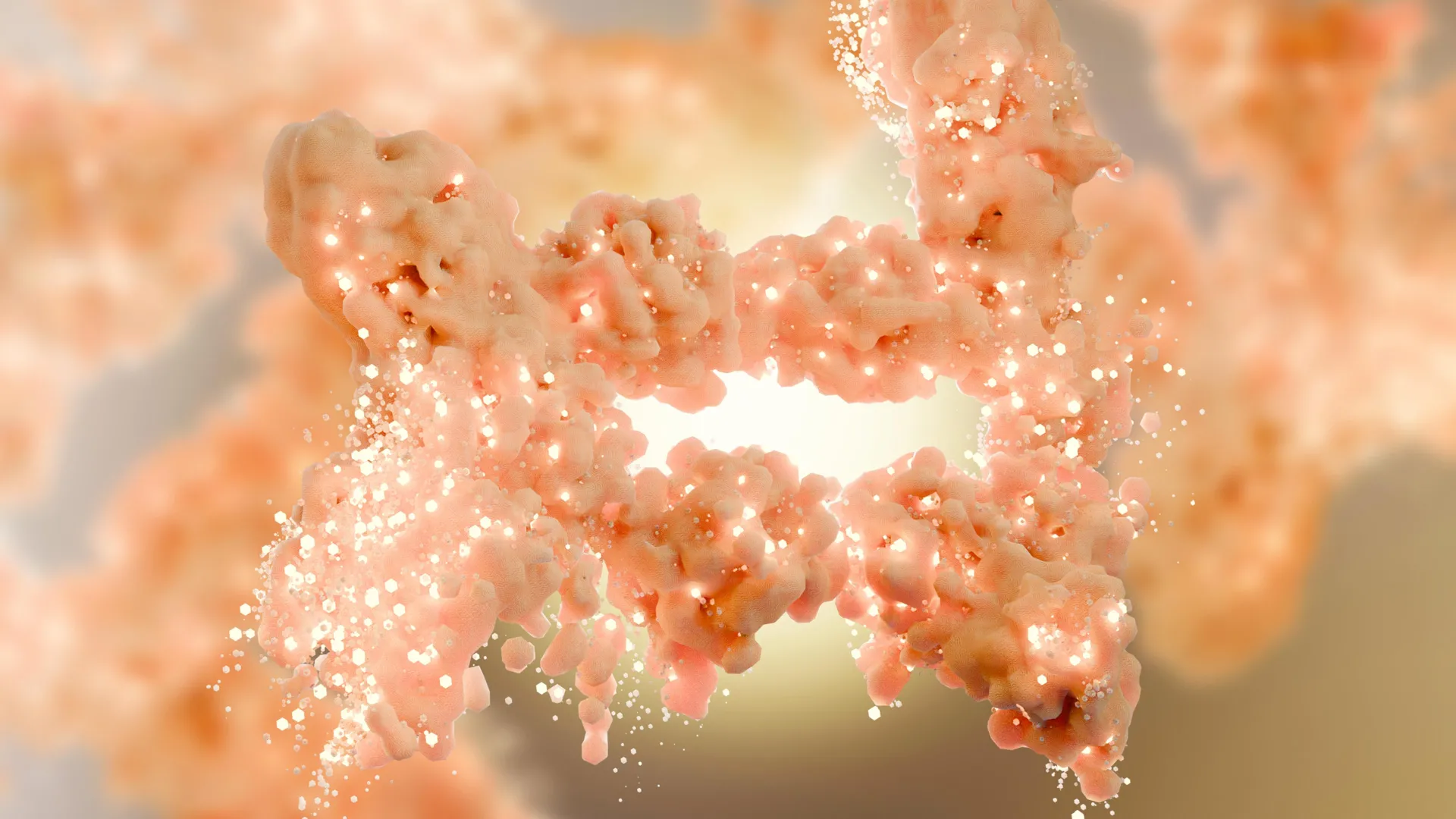
At the heart of this discovery is Hormone-Sensitive Lipase (HSL). Traditionally, HSL has been understood by biochemists since the 1960s as the "master switch" for fat mobilization. Within the cytoplasm of an adipocyte, fat is sequestered in structures known as lipid droplets. When the body enters a fasted state and blood glucose levels dip, hormonal signals—specifically adrenaline—trigger HSL to migrate to the surface of these droplets. Once there, it breaks down stored triglycerides into free fatty acids, which are then released into the bloodstream to power the heart, muscles, and other vital organs.
However, the team led by Professor Dominique Langin has identified a groundbreaking secondary role for HSL: it is not merely a cytoplasmic enzyme; it is a nuclear resident. This dual localization suggests that HSL is not just a "key" that unlocks fat stores, but a regulatory protein that helps govern the very health and identity of the fat cell itself.
A Chronological Journey: From Metabolic Mystery to Cellular Insight
The Initial Conundrum
The research trajectory began with a paradoxical observation. Scientists hypothesized that if HSL were responsible for releasing fat, then a deficiency in the HSL gene should logically result in extreme obesity, as the body would be unable to access its stored energy. However, clinical data from both mouse models and human patients with HSL gene mutations told a different story. These individuals did not become obese; they developed lipodystrophy—a condition characterized by a severe lack of adipose tissue.
The Shift in Focus
This clinical "mismatch" prompted the Toulouse team to reconsider the intracellular geography of HSL. If the absence of the protein caused the cells to waste away rather than engorge, HSL must be doing more than just lipolysis (the breakdown of fat).
The Breakthrough
Utilizing advanced cellular imaging and molecular profiling, researchers observed HSL residing within the nucleus—the command center of the adipocyte. This was the "missing link." The team determined that HSL interacts with various nuclear proteins to manage gene expression, effectively acting as a guardian of cellular integrity.
Supporting Data: Why "More" Isn’t Always Better
The significance of this discovery is underscored by how the body regulates HSL’s location. Under normal physiological conditions, the cell maintains a precise equilibrium of HSL between the cytoplasm and the nucleus.
The Adrenaline Trigger
During periods of fasting, the body requires immediate energy. Adrenaline signals the cell to mobilize fat, simultaneously prompting HSL to relocate from the nucleus to the lipid droplets. This process is a tightly choreographed dance; the cell effectively sacrifices its nuclear regulatory maintenance to prioritize immediate survival (energy mobilization).
The Pathological Imbalance
In contrast, studies on obese mice reveal a concerning dysregulation. In these subjects, researchers noted abnormally high levels of HSL remaining trapped or lingering within the nucleus. This suggests that in states of obesity, the "communication lines" between the nucleus and the cytoplasm become scrambled, preventing the adipocyte from functioning as a healthy, balanced metabolic organ. This intracellular traffic jam may be a primary driver behind the metabolic complications—such as insulin resistance and chronic inflammation—that plague patients with obesity.
Official Perspectives and Expert Insight
Jérémy Dufau, a key co-author of the study, emphasized the profound nature of this shift in understanding during the presentation of his doctoral thesis. "In the nucleus of adipocytes, HSL is able to associate with many other proteins and take part in a program that maintains an optimal amount of adipose tissue and keeps adipocytes ‘healthy’," Dufau explained.
Professor Dominique Langin added, "HSL has been known since the 1960s as a fat-mobilizing enzyme. But we now know that it also plays an essential role in the nucleus of adipocytes, where it helps maintain healthy adipose tissue."
The I2MC team’s findings suggest that we have been looking at only half the picture for over sixty years. By focusing exclusively on the enzyme’s role on the lipid droplet surface, the scientific community overlooked its role as a transcription-regulating partner. This oversight has likely hampered previous attempts to develop drugs aimed at managing metabolic disorders through lipase modulation.
The Implications: A New Frontier in Metabolic Medicine
The implications of this discovery ripple far beyond the lab. The realization that obesity and lipodystrophy—two conditions that look like opposites—share a common root in adipocyte dysfunction is a major paradigm shift.
Redefining Obesity Treatment
If the "obese" fat cell is suffering from a specific type of nuclear dysfunction, future therapies may not focus on simply "burning" fat, but on restoring the healthy balance of HSL translocation. This could lead to a new generation of "metabolic regulators" that aim to restore the structural and regulatory health of fat tissue, rather than just forcing the body to dump its energy reserves.
The Global Health Context
The timing of this research is critical. According to recent public health data, France faces a staggering reality: one in two adults is currently overweight or obese. On a global scale, the figure is even more sobering, with approximately 2.5 billion people struggling with weight-related health issues. These conditions are not merely aesthetic; they are the primary drivers of cardiovascular disease, Type 2 diabetes, and various cancers.
By identifying that HSL is a key player in the "health maintenance" of fat cells, researchers have provided a specific, druggable target for future intervention. If we can understand how to nudge HSL out of a "stuck" nuclear state in obese patients, we might effectively signal the adipocyte to return to a normal, healthy metabolic state.
Bridging the Gap
This research serves as a reminder that biological systems are rarely as simple as they appear. The "fat cell" is an active endocrine organ that communicates with the rest of the body. By acknowledging that internal cellular components like HSL have dual, context-dependent roles, medicine can move away from blunt-force weight-loss strategies and toward precise, molecularly targeted therapies.
Conclusion: The Path Forward
The study from the University of Toulouse represents a triumph of curiosity-driven science. By challenging the traditional dogma surrounding HSL, the team has turned a static, well-known enzyme into a dynamic, multi-functional protein of interest.
As the medical community continues to grapple with the rising tide of metabolic disease, the path forward will likely involve a more nuanced understanding of the adipocyte’s internal life. The discovery that HSL acts as both a fuel-mobilizer and a genetic governor offers a promising, albeit complex, new avenue for research. While clinical applications remain in the future, the foundation has been laid: the cure for metabolic dysfunction may not be found in the fat itself, but in the intricate, hidden movements of the proteins that manage it.
As we look to the next decade of metabolic research, the work of Langin and his team will stand as a benchmark for how we view the most maligned, yet essential, tissue in the human body.