






April 2026
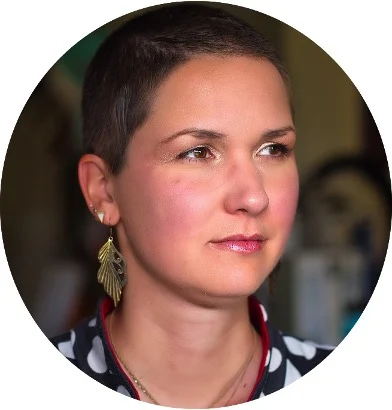
Chronic Pain Partners, a leading voice in the international Ehlers-Danlos Syndrome (EDS) and chronic illness community, announced this month the departure of its Editor-in-Chief, Karina Sturm. After seven years of service, Sturm is stepping down from her leadership role, leaving behind a transformative legacy that has reshaped how the organization communicates, advocates, and connects with patients living with invisible disabilities.
For many within the chronic illness community, Sturm’s tenure was more than just a period of editorial oversight; it was a defining era of empathy-driven journalism that prioritized the lived experience of the patient above all else. As she transitions to new endeavors, the organization pauses to reflect on the profound impact of her work, her commitment to elevating patient voices, and the standard of advocacy she established.
The Foundation of a Mission: Professional Chronology
Karina Sturm’s journey with Chronic Pain Partners began in 2019, a time when the digital landscape for EDS advocacy was rapidly evolving. Recognizing the need for nuanced, scientifically accurate, yet deeply human-centric reporting, Sturm stepped into a role that would eventually encompass the entirety of the organization’s editorial direction.
2019–2020: Establishing the Editorial Voice
Upon joining the team, Sturm immediately focused on dismantling the stigma surrounding invisible disabilities. Her early work was characterized by a meticulous approach to research, ensuring that medical complexity was accessible to the layperson. During this period, she served as a bridge between the clinical community and the patient population, translating complex research papers into digestible content that empowered patients to take an active role in their own care.
2021: The Newsletter Expansion
One of the most significant logistical milestones in Sturm’s career occurred in 2021 with the launch of the Chronic Pain Partners’ bi-monthly newsletter. What began as a modest digital correspondence has since blossomed into a cornerstone of the organization’s outreach. Under her editorial guidance, the newsletter grew to reach over 15,000 subscribers, providing a consistent, reliable source of information for individuals often marginalized by traditional healthcare systems.
2022–2025: Award-Winning Storytelling
Sturm’s work moved beyond the written word into the realm of documentary filmmaking. Her approach to journalism—which treats patient stories with the gravity of historical record—culminated in several award-winning films. These projects highlighted the realities of living with connective tissue disorders, shedding light on the systemic barriers that prevent adequate care and social inclusion. Her notable coverage of stories like Lego Oma exemplified her signature style: the ability to find profound, universal themes of human resilience within the specific, often lonely context of chronic illness.
The Impact of Advocacy: Data and Reach
The success of Sturm’s tenure can be measured not only in the quality of the content she produced but in the quantitative growth of the platforms she managed.
- Audience Engagement: Through the expansion of the bi-monthly newsletter, Sturm facilitated a 300% increase in active subscriber engagement. This was achieved through a strategy of "radical relevance"—ensuring that every piece of content addressed a specific pain point or information gap for the EDS community.
- Content Volume: Over the course of seven years, Sturm was responsible for the oversight, editing, or direct authorship of dozens of long-form articles. Her editorial calendar was designed to provide a balanced mix of cutting-edge research updates, expert interviews, and intimate, long-form patient narratives.
- Multimedia Integration: Under her leadership, the organization successfully diversified its media footprint. By integrating video storytelling, she provided a more inclusive experience for those who struggle with the cognitive load of reading due to chronic pain or "brain fog," ensuring the organization’s resources were accessible to a broader range of abilities.
The Philosophy of the Patient-Journalist
What set Sturm apart in the media landscape was her dual identity as both a professional journalist and a patient living with EDS. This "insider-outsider" perspective allowed her to bypass the patronizing tone often found in medical reporting.
In an interview reflection, colleagues noted that Sturm’s drive was "deeply personal." Her work was never a mere assignment; it was a mission to ensure that no patient felt the isolation she had encountered in her own medical journey. By sharing her own experiences, she modeled vulnerability for her readers, effectively lowering the barrier to entry for other patients to share their own stories.
She often argued that "data without the patient perspective is merely noise." By balancing rigorous, fact-checked medical information with the raw, unfiltered realities of daily pain management, she created a trusted environment where the community felt both seen and understood.
Official Responses and Peer Reflections
The announcement of her departure has triggered an outpouring of support from the global chronic pain community.
"Karina didn’t just edit our articles; she edited our narrative," said a senior representative from the Chronic Pain Partners leadership team. "She taught us that when we talk about EDS, we aren’t just talking about a set of symptoms. We are talking about human lives, systemic failures, and the remarkable capacity for adaptation. Her leadership transformed this organization from a resource center into a true community hub."
Industry peers have also noted the high standard Sturm set for medical journalism. By consistently demanding scientific integrity while refusing to dehumanize the patient, she provided a roadmap for how specialized non-profits should communicate in the digital age.
Implications for the Future of Advocacy
As Sturm moves on to new projects, the organization faces the challenge of maintaining the momentum she created. Her tenure has left an indelible mark on the landscape of patient advocacy, and her influence is likely to be felt in the following ways:
1. The Shift Toward Inclusive Media
Sturm’s success demonstrated that media produced by and for the disability community is not a niche interest—it is a vital resource with high demand. Future advocacy organizations will likely look to her model of multimedia storytelling as a gold standard.
2. The Rise of the "Patient-Expert"
Her career highlights the growing importance of the "patient-expert"—individuals who possess the professional skills to disseminate information while maintaining the lived experience that grants them credibility. This hybrid role is becoming increasingly essential in a healthcare environment where patient self-advocacy is at an all-time high.
3. A Call to Continue the Work
Sturm’s departure is not a conclusion but a transition. For her, the mission remains the same, even if the platform changes. As she continues her work through her own website and social media channels, she leaves the community with a call to action: to remain vigilant, to continue sharing stories, and to refuse to accept the status quo in medical care.
Conclusion: A Legacy of Connection
As the Chronic Pain Partners community bids farewell to Karina Sturm, the focus remains on the immense impact of her seven-year tenure. She leaves behind a robust digital infrastructure, a legacy of award-winning storytelling, and, perhaps most importantly, a community that feels more connected and better informed than it did when she arrived in 2019.
While the role of Editor-in-Chief is a professional designation, for Sturm, it was a position of trust. By treating every interview, every article, and every newsletter with the same level of integrity and compassion, she proved that the most effective advocacy comes from a place of radical authenticity.
As we look toward the future of chronic pain advocacy, we do so with the tools and the confidence that Karina Sturm helped build. For those who wish to follow her next chapter, her personal website and social media links remain the primary portal for her ongoing contributions to the field of disability rights and advocacy.
We thank Karina for her leadership, her heart, and her soul. Her impact on the lives of those navigating the complexities of Ehlers-Danlos Syndrome and invisible illness is permanent, and her presence will be missed in the daily operations of Chronic Pain Partners. We look forward to seeing the new heights her future work will surely reach.