









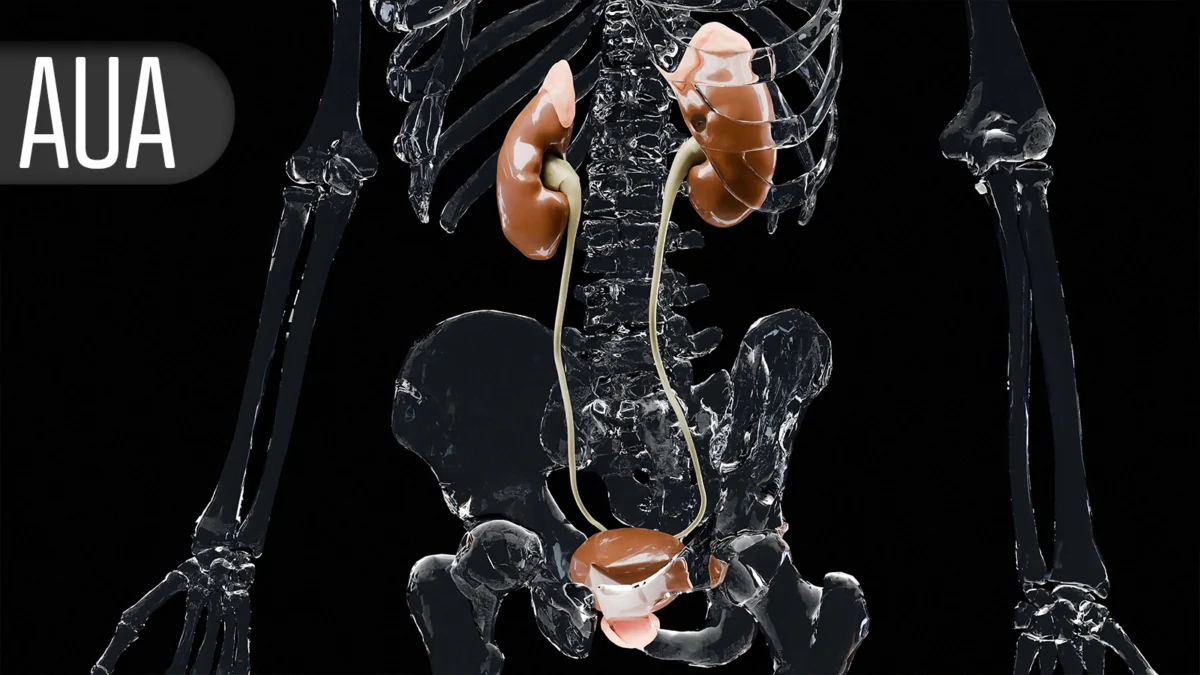
WASHINGTON — In the landscape of urologic oncology, few challenges are as persistent as the management of high-risk, non-muscle invasive bladder cancer (NMIBC) that has failed to respond to standard care. For decades, the gold standard has been intravesical bacillus Calmette-Guérin (BCG) therapy. However, when BCG fails, patients are often left with few options beyond a radical cystectomy—the surgical removal of the bladder—which carries significant morbidity and alters quality of life profoundly.
Recent data presented at the American Urological Association (AUA) annual meeting by Ashish Kamat, MD, of the MD Anderson Cancer Center, suggests a shifting tide. Preliminary results from the ongoing phase I/II LEGEND study indicate that a novel intravesical gene therapy, detalimogene voraplasmid, is demonstrating promising complete response (CR) rates and a favorable safety profile in patients whose disease has proven resistant to traditional first-line treatments.
Main Facts: A New Avenue for Immune Modulation
The interim findings from the LEGEND study provide a glimpse into the potential of gene-based therapies to offer bladder-sparing alternatives to surgery. Among the 125 patients enrolled in the trial—all of whom suffered from high-risk BCG-unresponsive NMIBC—54% achieved a complete response (CR).
Perhaps most critical for clinicians is the durability of these responses. According to the data, 84% of those who attained a CR remained in that state at the 9-month evaluation, with 59% maintaining their response at the 12-month mark. Furthermore, the therapy demonstrated a remarkable ability to prevent disease progression; 96.8% of participants remained free of progression to T2 or more advanced, muscle-invasive disease.
The treatment, detalimogene voraplasmid, functions through the plasmid-mediated delivery of three specific genes designed to activate both the innate and adaptive immune responses directly within the bladder environment. Unlike some viral-vector based therapies that require specialized handling, cold-chain logistics, or biosafety containment, detalimogene offers a simplified administrative profile. It can be stored in a standard freezer and administered in a routine exam room by a physician or nurse, potentially lowering the barrier to entry for community urology practices.
Chronology: The Path to the LEGEND Study
The journey to this point has been marked by a significant unmet need in the oncology community. Historically, up to 80% of patients who do not respond to BCG treatment within one year see their disease persist or progress, creating a high-stakes environment for clinical development.
The Development Trajectory
- Initial Discovery: Research focused on identifying genetic payloads that could stimulate a robust local immune response within the urothelium without the systemic toxicity of traditional chemotherapy or the logistical complexity of existing viral-based gene therapies.
- Phase I/II LEGEND Initiation: The trial was designed to target patients with high-risk BCG-unresponsive NMIBC, specifically defined as carcinoma in situ (CIS) with or without high-grade Ta/T1 disease that persisted or recurred within 12 months of BCG treatment.
- The Treatment Cycle: Patients undergo a 12-week induction cycle, receiving intravesical doses during weeks 1, 2, 5, and 6. Each dose requires a 16-minute dwell time. For those not achieving CR after the first cycle, a second induction is permitted. Maintenance therapy follows a schedule of doses at weeks 1 and 2, recurring every 12 weeks for a maximum duration of three years.
- Current Status: As of the latest update at the AUA meeting, median follow-up for those who achieved CR stands at 5.5 months. With 22 patients having completed the 12-month evaluation and others in the pipeline, researchers are looking toward a primary analysis slated for the second half of 2026.
Supporting Data: Clinical Characteristics and Safety
The patient cohort enrolled in the LEGEND study represents a challenging clinical population. The median age of the 125 participants is 71, with men comprising 80% of the group—a demographic consistent with the general epidemiology of bladder cancer.
Disease Baseline
- Disease Presentation: Approximately 60% of the cohort presented with carcinoma in situ (CIS), while the remainder exhibited CIS accompanied by Ta/T1 disease.
- Treatment History: The group was heavily pre-treated, with a median of 12 prior doses of BCG. A quarter of the patients had also received additional therapeutic interventions prior to enrolling in the LEGEND study.
- Surgical Avoidance: Notably, over 90% of the patients had explicitly declined cystectomy, while the remaining participants were deemed ineligible for the procedure, underscoring the vital need for non-surgical options.
Safety and Tolerability
One of the most encouraging aspects of the data is the low incidence of severe adverse events. Fewer than 5% of patients experienced grade ≥3 treatment-related adverse events (TRAEs). The most commonly reported side effects were manageable, including:
- Fatigue (21.6%)
- Dysuria (13.6%)
- Micturition urgency (12%)
- Pollakiuria (12%)
- Bladder spasm (11.2%)
By avoiding the systemic side effects common in immunotherapy infusions, detalimogene appears to offer a patient-friendly profile that could encourage treatment adherence.
Official Responses and Expert Commentary
Dr. Ashish Kamat, who presented the findings, was careful to balance optimism with scientific rigor. While emphasizing that the "durability data" were "encouraging," he reminded the audience that these remain preliminary results. He highlighted that the therapy’s effectiveness appears to be on par with existing approved gene therapies, such as nadafaragene firadenovec (Adstiladrin).
"When we look at viral versus nonviral delivery technique, some people will say that nonviral [such as detalimogene] is less durable, but it seems to have similar results to at least one of the approved gene therapies," Kamat noted during the session.
During a panel discussion, AUA session co-moderator Adam Kibel, MD, of Brigham and Women’s Hospital, posed a question regarding the future of the treatment landscape. "We’ve all wrestled with that, and I don’t think there’s going to be one clear winner," Kamat responded. "It’s not going to be one size fits all. We’re going to adapt it to different patients."
Kamat illustrated this by contrasting patient needs: a patient who lives far from a clinic might prioritize a less frequent treatment schedule, whereas a patient with aggressive, high-risk disease might prioritize the highest possible CR rate regardless of the intensity of the regimen.
Implications: A New Era of Shared Decision-Making
The emergence of multiple therapies for BCG-unresponsive NMIBC is a double-edged sword. While it provides clinicians and patients with a wider "toolkit," it significantly complicates the process of clinical decision-making.
The Shift Toward Personalized Urology
The implication for the future is clear: urologic oncologists must move toward a more nuanced, "shared decision-making" model. With options like detalimogene voraplasmid, doctors must weigh logistical convenience, the specific biology of the patient’s cancer, and the patient’s personal goals—such as the desire to avoid surgery at all costs versus the desire for the most robust oncologic control.
Future Outlook
As the trial moves toward its 2026 primary analysis, the therapy developer is preparing for crucial discussions with the FDA later this year. If these results hold, detalimogene could fill a significant gap for patients who currently face limited alternatives to bladder removal.
For the urological community, the task at hand is to integrate these new, sophisticated biological therapies into daily practice without sacrificing the high standard of care required for oncology patients. As Dr. Kamat summarized, the ultimate goal is not merely finding a "winner" among the therapies, but ensuring that the right patient receives the right treatment at the right time. For the thousands of patients currently battling BCG-unresponsive NMIBC, these interim results represent more than just data—they represent a viable path toward preserving their health, their autonomy, and their quality of life.