










Living with Ehlers-Danlos syndromes (EDS) or hypermobility spectrum disorders (HSD) presents a unique set of challenges that touch every aspect of daily life. From joint instability and chronic pain to dysautonomia and temperature regulation issues, those within the community are often forced to become experts in their own care.
This month, we took a departure from clinical research to offer a more personal look at the lived experience. We asked members of our own team—many of whom navigate these conditions themselves—to share the "tried-and-true" supportive aids that help them maintain independence and quality of life. While these selections are rooted in personal experience rather than clinical trial data, they offer a window into the creative strategies used by our team to manage the complexities of hypermobility.
Main Facts: Understanding the Role of Supportive Aids
For the millions living with EDS and HSD, the body’s connective tissue does not provide the expected structural integrity. This leads to a cascade of symptoms: subluxations (partial dislocations), chronic muscle guarding, fatigue, and issues with proprioception—the body’s ability to sense its position in space.
Supportive aids serve as a vital "external framework." By providing stability, pressure, or ergonomic correction, these tools allow patients to conserve energy and reduce the strain on their joints. However, as medical professionals often emphasize, these tools are most effective when used as a complement to, not a replacement for, targeted physical therapy and muscle-strengthening exercises.
Chronology of Care: How Our Team Finds Solutions
The path to discovering the "right" tool is rarely linear. For most of our team members, the adoption of a specific aid was the result of years of trial, error, and the evolution of their symptoms.
Karina’s Journey: Finding Freedom in Motion
For Karina, our Editor-in-Chief, the turning point was the realization that movement didn’t have to be synonymous with pain.
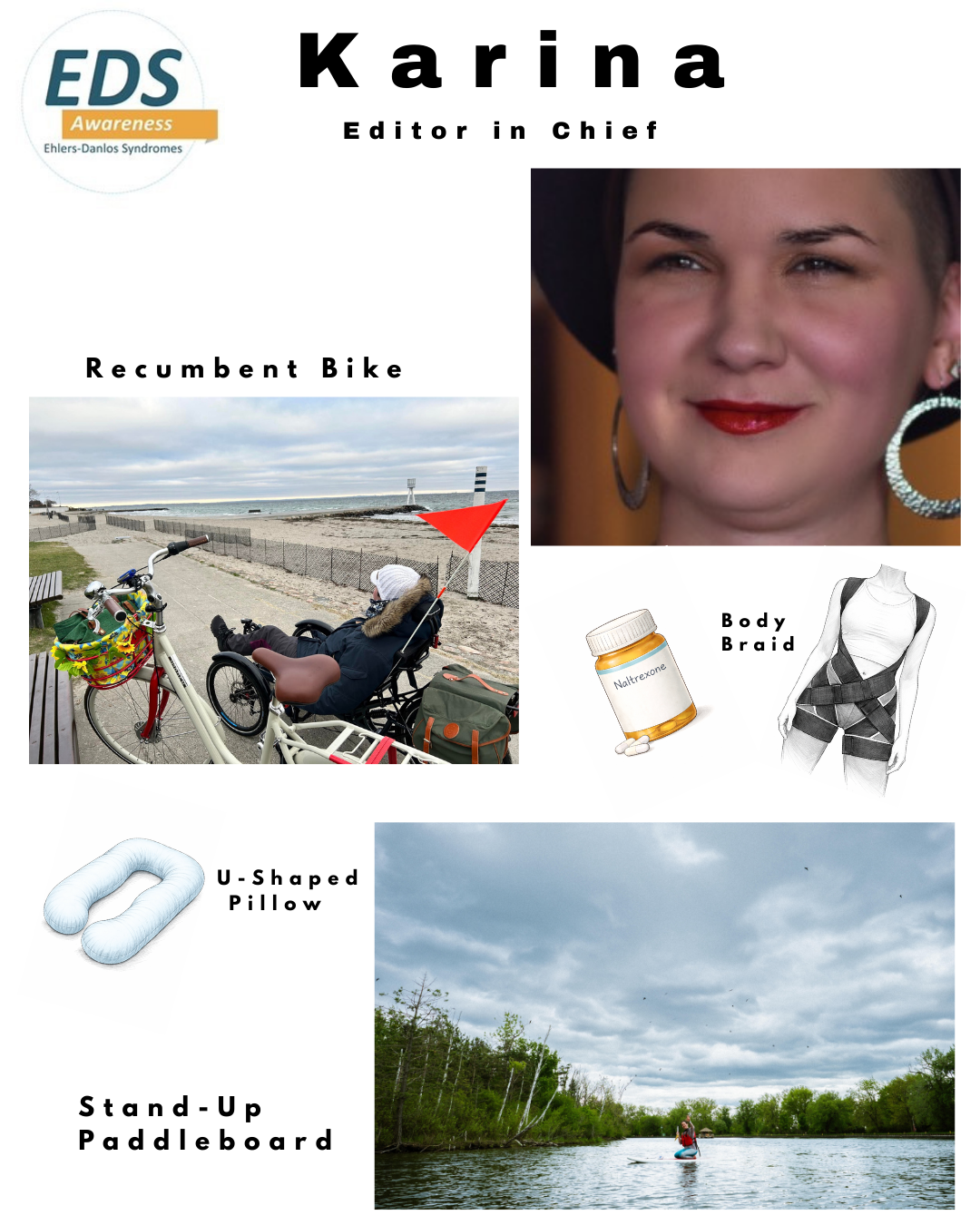
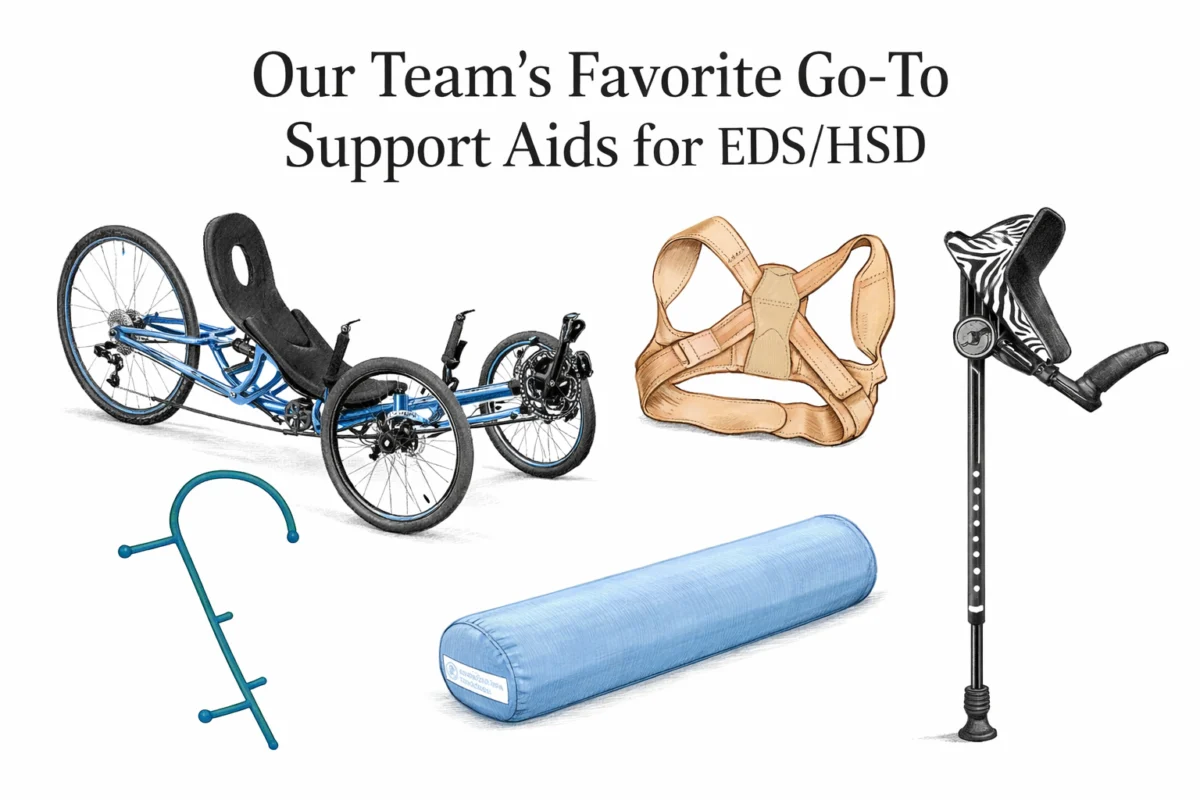
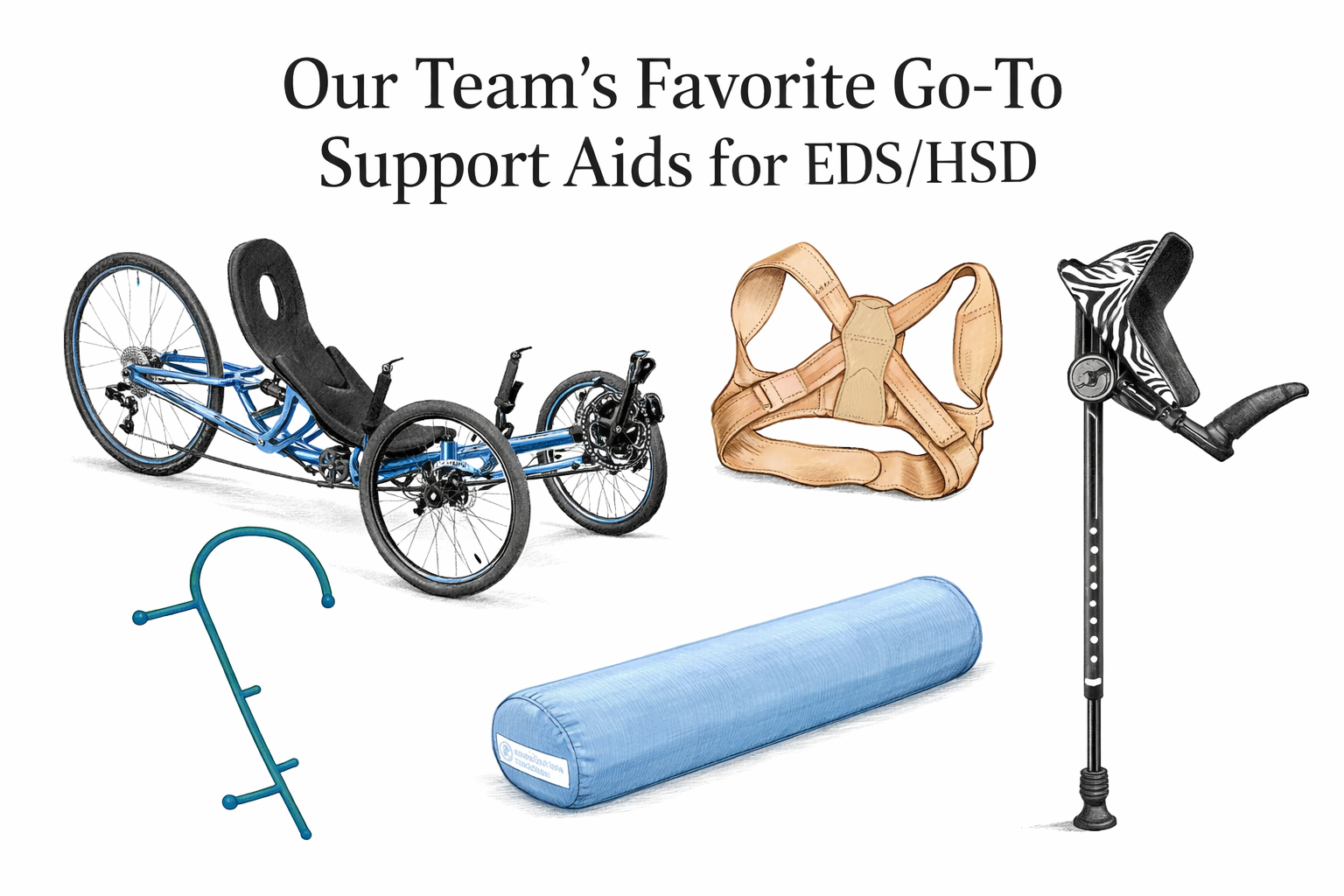
- The HP Velotech Scorpion (Recumbent Trike): Traditional cycling proved too taxing on her balance and joints. The three-wheel stability of her recumbent trike allows her to move independently without the fear of falling, while the reclined posture mitigates the cardiovascular strain associated with dysautonomia.
- Stand-up Paddleboarding (SUP): Karina uses the water as a low-impact gym. By adapting her stroke or sitting with a kayak seat, she builds essential core strength without the high-impact stress of traditional exercise.
- Medical and Comfort Aids: Her routine also includes Low-Dose Naltrexone (LDN), which she credits for "turning down the volume" on chronic pain, and a U-shaped pregnancy pillow to ensure her joints remain supported during the critical hours of sleep.
Cassandra’s Tactical Approach: Protecting the Extremities
As a podcast co-host, Cassandra focuses on tools that keep her active while working at a desk or on the go.
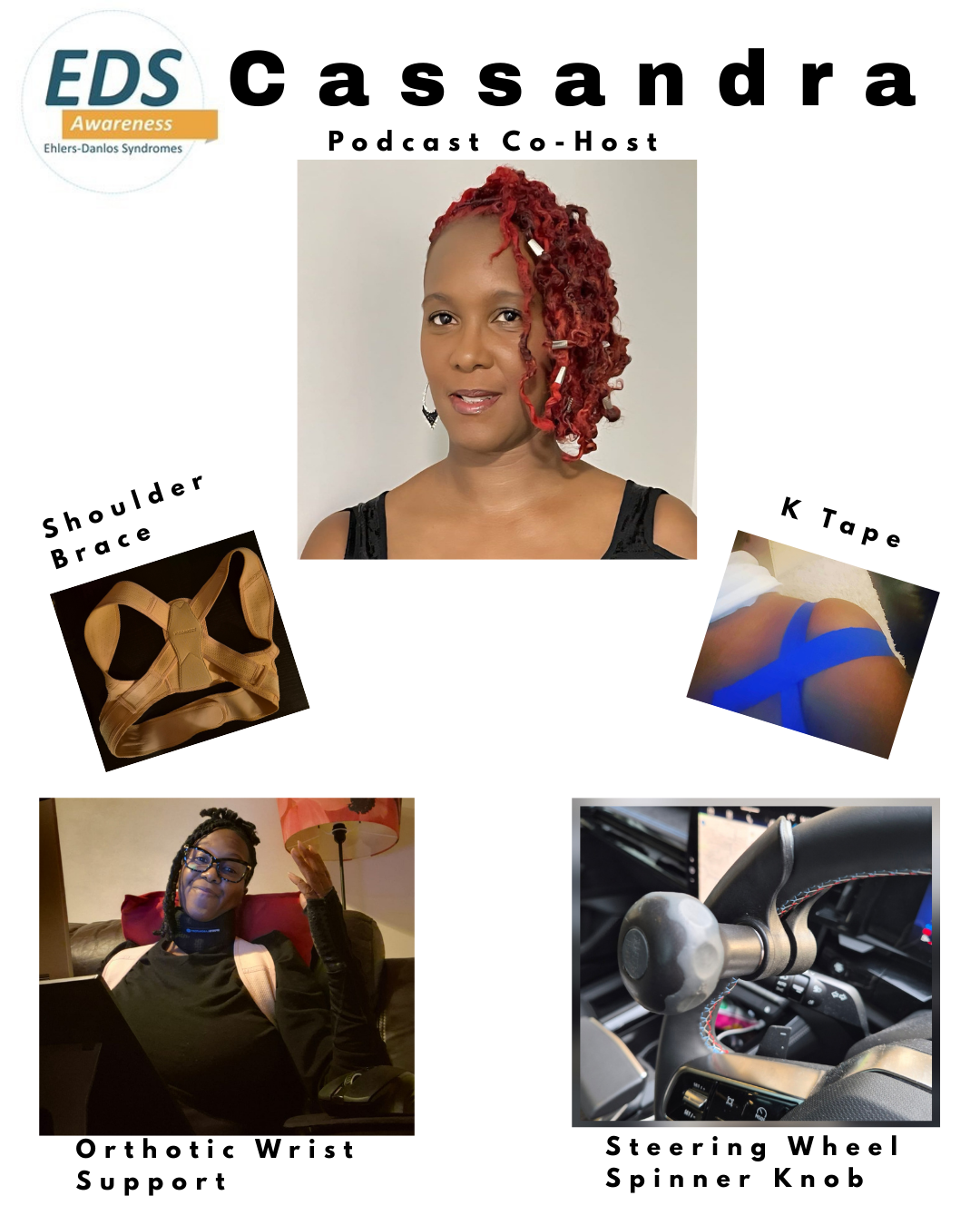
- Kinesiology (K) Tape: A versatile, low-profile way to provide immediate proprioceptive feedback to unstable joints.
- Steering Wheel Spinner Knob: An essential car modification that allows for one-handed steering, significantly reducing the load on wrists and shoulders after a subluxation.
- Orthotic Braces: By using wrist and shoulder braces, Cassandra provides her joints with the "alignment cues" they need, though she remains vigilant about cycling their use to ensure her muscles remain active.
Jacqueline’s Focus on Neurological Health
Jacqueline, one of our writers, addresses the intersection of connective tissue disorders and cerebral venous outflow issues.
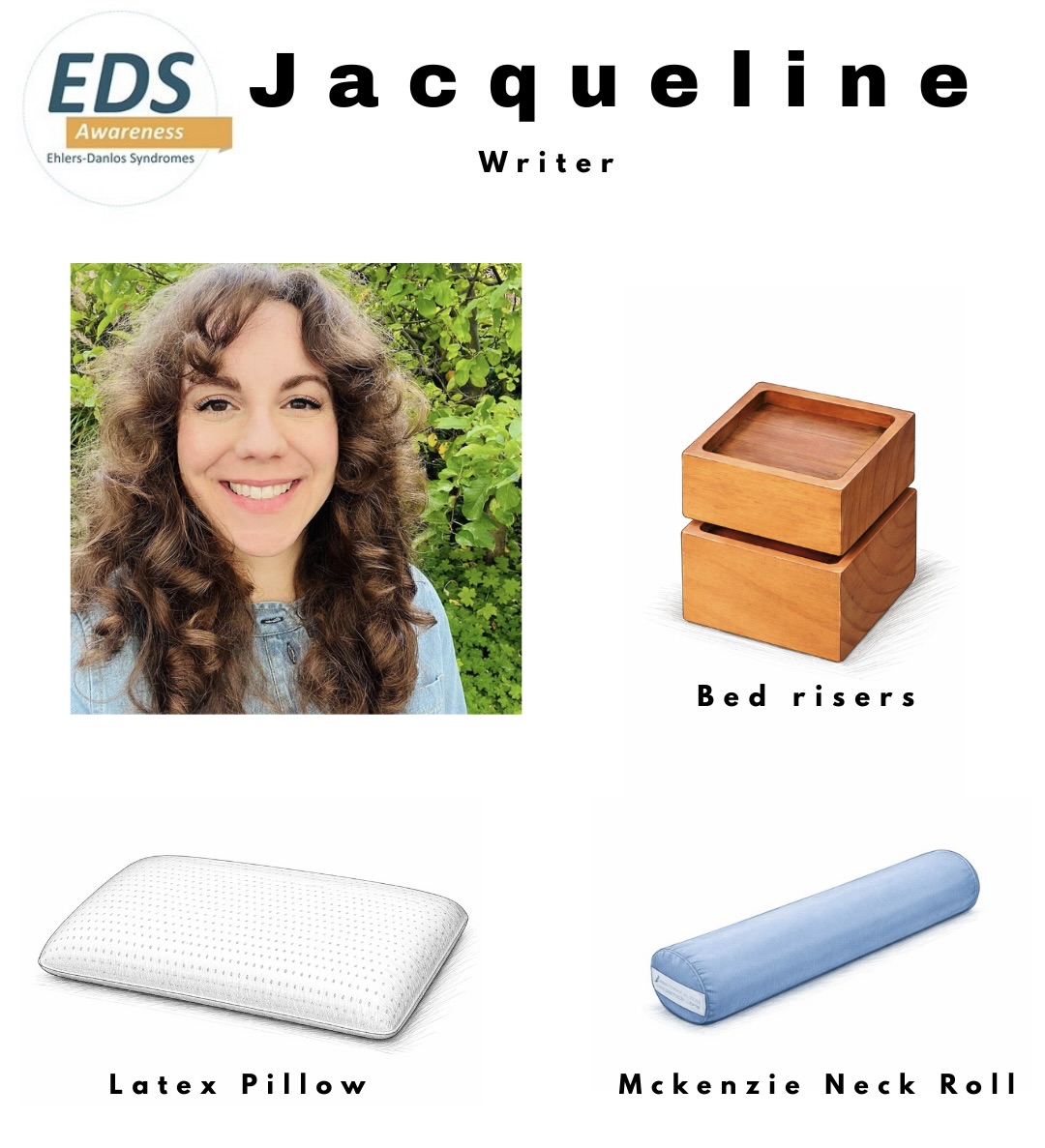
- Bed Risers: By elevating the head of her bed, she manages the intracranial pressure that often plagues patients with internal jugular vein stenosis.
- Natural Latex Pillows & McKenzie Neck Rolls: These tools are not mere comfort items; they are structural necessities that prevent the neck from slipping into painful positions during sleep, thereby reducing the prevalence of migraines and "brain fog."
Supporting Data: Why These Tools Work
The effectiveness of these tools is often rooted in basic biomechanics and neurology. For example, the Body Braid utilized by Karina provides global proprioceptive input. Because EDS patients often lack "internal" body awareness, the external pressure of the braid helps the brain map where the limbs are in space, reducing the risk of accidental injury.
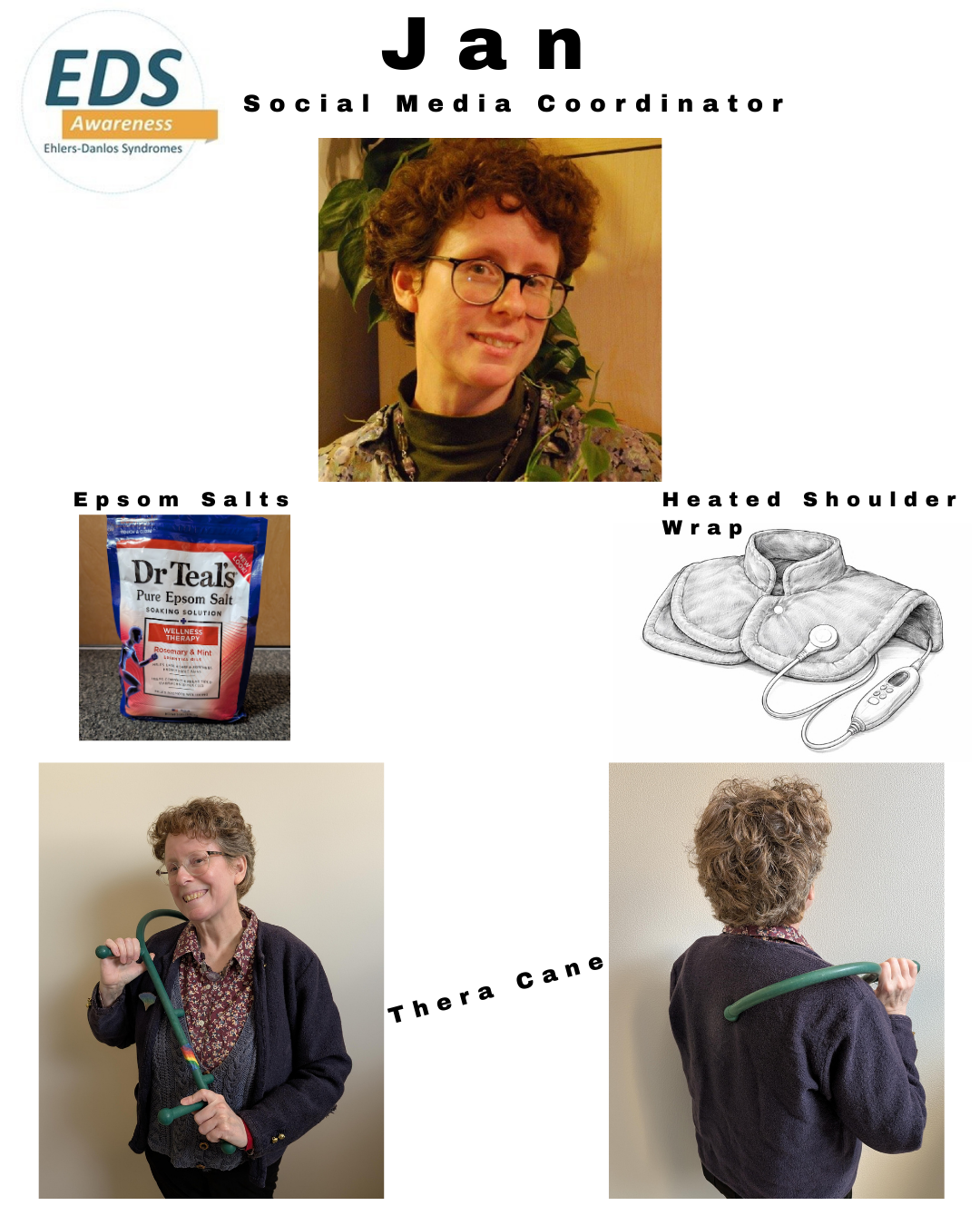
Similarly, the use of Epsom salts (as favored by our social media coordinator, Jan) is supported by the physiological need to soothe hyper-active muscle guarding. When muscles are constantly firing to stabilize a joint that the ligaments won’t hold, they enter a state of chronic spasm. The magnesium in the salts can help facilitate muscle relaxation, a necessary reprieve for the EDS body.
Official Responses and Clinical Perspectives
It is crucial to note that the Ehlers-Danlos Society and other advocacy organizations maintain a balanced view on the use of orthotics and support aids. The core clinical consensus is that while aids can provide immediate relief and safety, they must not lead to "deconditioning."
If a brace is used to hold a joint in place, the muscles around that joint are no longer doing the work. Over time, this leads to atrophy, which makes the joint even less stable once the brace is removed. Therefore, the "gold standard" remains: Brace for protection during activity, but prioritize physical therapy for long-term stability.
Furthermore, for medications like Low-Dose Naltrexone (LDN), clinical trials are ongoing. While many patients report significant improvements in pain and immune-system regulation (particularly regarding MCAS), it remains an off-label use. Patients are strongly encouraged to consult with specialists who are familiar with the unique biochemical profile of EDS/HSD patients before starting any new pharmacological regimen.
Implications: Building Your Own Toolkit
The overarching lesson from our team’s experiences is that living well with EDS/HSD is an exercise in individualization. What works for one person—like the cooling pad used by our co-host Marcia to manage dysautonomia-related overheating—might not be the right fit for someone else.
Tips for Building Your Toolkit:
- Start Small: Don’t overhaul your life with expensive equipment at once. Begin with low-cost interventions like K-tape or specific pillow types.
- Consult the Pros: Before purchasing expensive mobility aids like a SmartCRUTCH or a recumbent trike, discuss your specific mechanical needs with a physical therapist who specializes in hypermobility.
- Track Your Symptoms: Keep a journal of how your body feels before and after using a new aid. Does the pain decrease? Do you feel more fatigued?
- Prioritize Function: Ask yourself, "What activity am I trying to regain?" If the answer is "walking the dog," focus on stability aids. If the answer is "working at my computer," focus on ergonomic supports.
A Final Word of Caution
While we hope this glimpse into our team’s lives provides inspiration, this article does not constitute formal medical advice. Every person with EDS/HSD has a different clinical presentation, and what serves as a "godsend" for one team member could potentially exacerbate symptoms in another.
Always approach new supportive strategies with the guidance of a physician or physical therapist. Your body is unique, and your plan for managing it should be just as personalized. By combining intelligent support tools with a dedicated strengthening routine, many in our community find they can move from simply surviving to actively thriving.
Jacqueline Teti, author and patient with Hypermobility Spectrum Disorder.
April, 2026