









The global biopharmaceutical landscape is currently undergoing a period of profound transition. From high-level regulatory shakeups in Washington, D.C., to critical safety warnings affecting major market players, the industry is navigating a complex web of governance changes and scientific advancement. This report provides a comprehensive breakdown of the latest developments, including the recent leadership transition at the Food and Drug Administration (FDA), the ongoing safety crisis surrounding Amgen’s Tavneos, the promising clinical trajectory of a new obesity drug in China, and a high-stakes partnership in the oncology space.
I. FDA Leadership Overhaul: A Strategic Pivot
The Food and Drug Administration has initiated a significant restructuring of its top-tier drug review offices following the abrupt resignation of Commissioner Marty Makary. This internal transition marks a strategic pivot for the agency, as the federal government seeks to realign the leadership of its primary oversight bodies.
The Departures
The agency confirmed the departure of two key acting directors, Tracy Beth Høeg and Katherine Szarama, who held central roles within the Center for Drug Evaluation and Research (CDER) and the Center for Biologics Evaluation and Research (CBER), respectively. In a public statement via social media, Dr. Høeg disclosed that she had been terminated from her position. These personnel changes are being interpreted by industry analysts as part of a broader mandate to install "traditional" leadership figures into the agency’s key regulatory pipelines.
New Interim Appointments
To maintain continuity, the agency has appointed two seasoned industry veterans to act as interim stewards:
- Michael Davis, a former agency deputy center director, has been named the acting head of the CDER, the division responsible for the oversight of small-molecule drugs and select biologics.
- Karim Mikhail, formerly the chief executive of biotech firm Amarin, has been tapped to lead the CBER. His expertise will be critical as the agency navigates the complex regulatory requirements for vaccines and emerging gene therapies.
II. The Tavneos Crisis: Safety Concerns and Global Fallout
Amgen is facing a significant regulatory and safety challenge regarding its rare disease drug, Tavneos (avacopan). The situation escalated on Friday when Kissei Pharmaceutical, Amgen’s commercial partner in Japan, issued a stark warning regarding patient safety.
The Clinical Data and Mortality Reports
Kissei reported that 20 patients in Japan have died following treatment with Tavneos. Preliminary internal investigations suggest a correlation with "vanishing bile duct syndrome," a severe liver condition. In response to these findings, Kissei has advised healthcare providers across Japan to halt new prescriptions for the drug immediately.

Regulatory Tensions in the United States
The safety profile of Tavneos has been under intense scrutiny in the U.S. as well. The FDA has previously requested that Amgen voluntarily withdraw the drug from the American market, citing both these safety concerns and allegations of data manipulation by the drug’s original developer, ChemoCentryx. Currently, the drug remains on the market in the United States; however, its future is tenuous. The industry is now awaiting a decision from Amgen on whether they will initiate a voluntary removal or if the FDA will be forced to take more aggressive, involuntary regulatory action to protect patient health.
III. Breakthroughs in Obesity: The Rise of VCT220
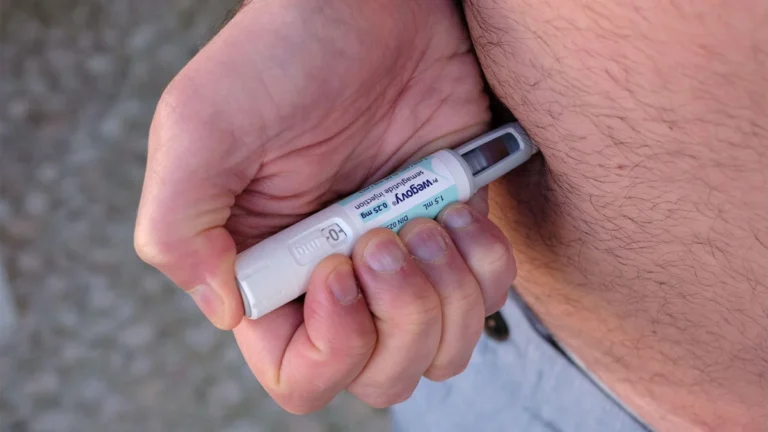
While established firms manage regulatory crises, the emerging pipeline for metabolic medicine continues to show robust growth. Vincentage Pharma, a key player in the Asian biotech sector, recently announced successful Phase 3 results for its oral obesity treatment, VCT220.
Clinical Efficacy and Safety Profile
The pivotal study, conducted in China, demonstrated that VCT220 is a potent candidate for weight management. Patients treated with the drug achieved an average weight loss of approximately 12% over a 52-week period, compared to a negligible 1% reduction in the placebo group.
Regarding safety, the drug appears to have a manageable side-effect profile. Only 1.8% of trial participants discontinued the study due to adverse events, which researchers described as "mild to moderate." These results are consistent with the known safety benchmarks of existing GLP-1 receptor agonists, suggesting that VCT220 could become a formidable competitor in the rapidly expanding obesity market.
Global Strategy
The intellectual property and commercial rights for VCT220 are primarily held by Corxel Pharmaceuticals, a company that recently secured $287 million in venture financing. Corxel is currently spearheading a global Phase 2 study to validate these results across broader, more diverse patient populations. Data from this global initiative is expected to arrive by the end of 2026, which will likely serve as the catalyst for international regulatory filings.
IV. Strategic Alliances: Regeneron and the "Helicon" Frontier
On the corporate development front, Regeneron Pharmaceuticals has announced a major strategic collaboration with the oncology startup Parabilis Medicines. This deal underscores the industry’s continued interest in "next-generation" drug conjugation technologies.

The Science of Antibody-Helicon Conjugates
The partnership centers on the development of "antibody-helicon conjugates." Much like the successful antibody-drug conjugates (ADCs) that have transformed cancer treatment, these therapies utilize an antibody to deliver a specific payload directly to target cells. However, Parabilis’s approach uses a specialized peptide—a "helicon"—designed to influence intracellular proteins. Historically, these proteins were considered "undruggable" because conventional small molecules could not effectively penetrate or interact with them.
Financial Scope of the Deal
The financial commitment highlights the high stakes of this research. Regeneron is providing:
- $50 million in upfront capital.
- $75 million as an investment in the next equity financing round for Parabilis.
- $2.2 billion in potential milestone-based payments tied to successful clinical and commercial development.
V. Implications and Outlook
The convergence of these events highlights three critical trends for the pharmaceutical industry:
- Regulatory Volatility: The FDA’s personnel shakeup suggests that biotech companies must prepare for a more traditional, perhaps more cautious, regulatory environment under the new administration. Communication and data transparency will be paramount for firms seeking expedited approvals.
- Increased Pharmacovigilance: The tragic events surrounding Amgen’s Tavneos serve as a sobering reminder of the importance of post-market surveillance. Regulators worldwide are increasingly focused on long-term safety signals, and companies will likely face heightened scrutiny during clinical trial data audits.
- The Next Wave of Innovation: The success of VCT220 and the massive investment in "undruggable" targets like those pursued by Parabilis illustrate that the industry is moving beyond current blockbuster categories. The shift toward oral obesity medications and intracellular-targeting conjugates indicates a pivot toward more patient-centric and biologically complex solutions.
As we look toward the remainder of 2026, the industry remains in a state of high-alert, balancing the excitement of technological breakthroughs with the realities of strict regulatory oversight and the absolute necessity of patient safety. Investors, clinicians, and patients alike should watch these four narratives closely, as they will likely dictate the market dynamics for the next several fiscal quarters.