Introduction: The Global Burden of Breast Cancer
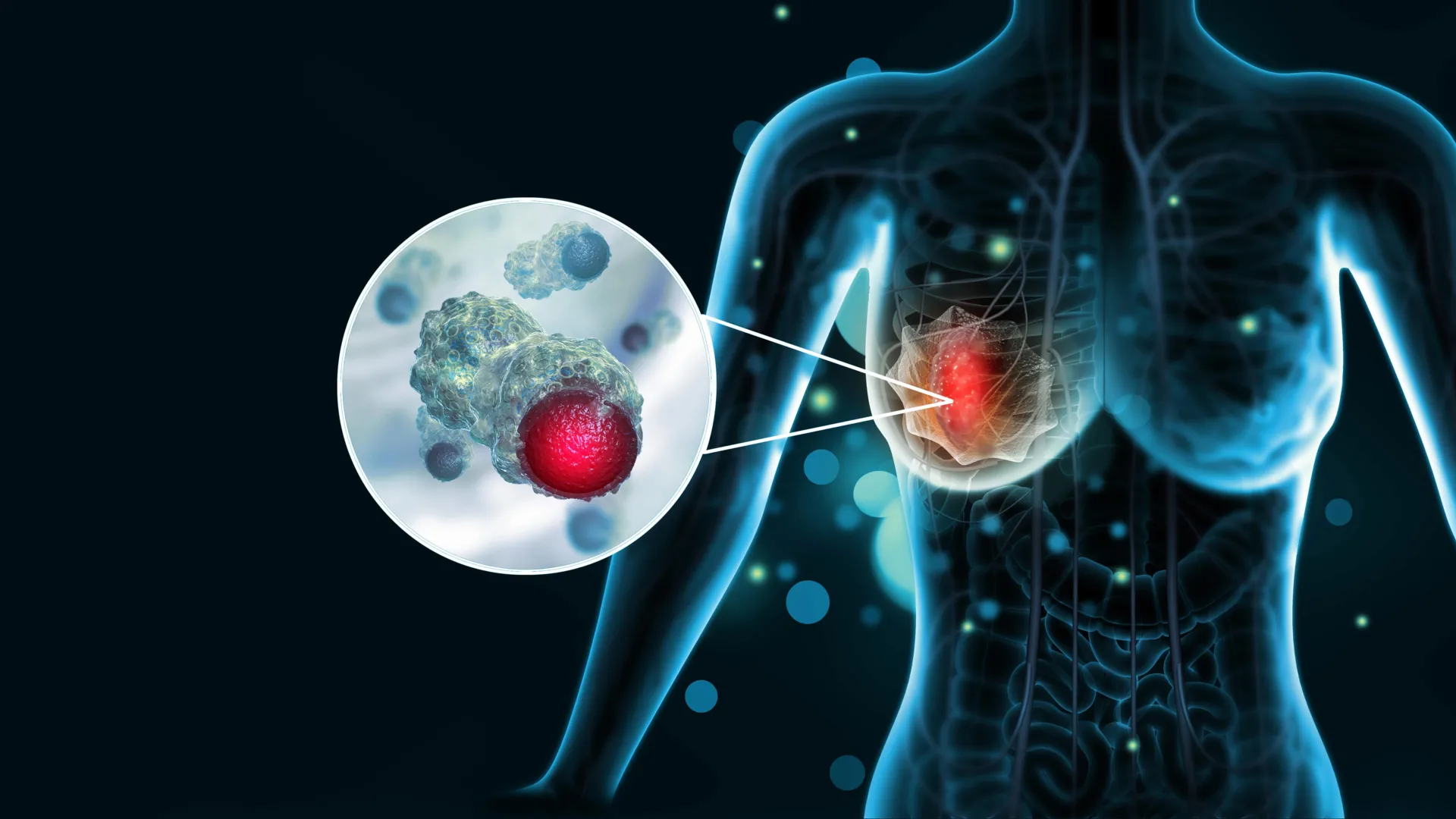
Breast cancer remains the most frequently diagnosed malignancy among women on a global scale, representing a profound public health challenge that demands urgent scientific innovation. According to the most recent data provided by the World Health Organization (WHO), the year 2022 saw approximately 2.3 million women diagnosed with the disease, with a staggering 670,000 fatalities resulting from its progression.
While the landscape of oncology has been transformed by advancements in targeted therapies, immunotherapy, and surgical techniques, clinicians remain stymied by the biological volatility of certain breast cancer subtypes. Among the most pressing hurdles is the lack of predictive, real-time diagnostic tools capable of forecasting the behavior of aggressive, fast-growing tumors. Addressing this critical "predictive gap" is the primary mission of a new, high-impact research initiative: the Biomarker Research Integrating Data of Glyco-Immune Signatures and Clinical Evidence in Breast Cancer (BRIDGE).
The BRIDGE Initiative: A New Frontier in Precision Oncology
The BRIDGE project is not merely an academic exercise; it is a translational research bridge designed to span the distance between the petri dish and the patient’s bedside. By focusing on the intricate biological "clues"—or biomarkers—that dictate tumor progression, the initiative aims to provide clinicians with a more granular understanding of how individual cancers behave.
A biomarker, in this context, is a measurable biological indicator found within blood, tissue, or other physiological samples. These signals are the "breadcrumbs" left by cancer cells, offering insights into whether a tumor is likely to metastasize, how quickly it will divide, and, crucially, which therapeutic interventions are most likely to prove effective.
H3: The Scientific Core: Glyco-Immune Signatures
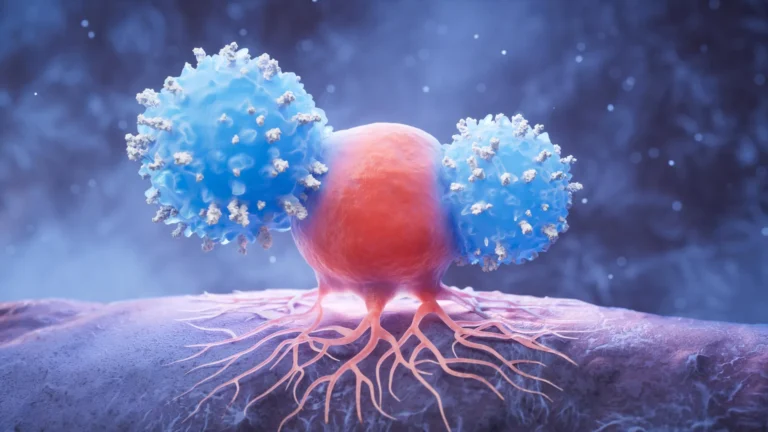
At the heart of the BRIDGE project lies a focus on "glyco-immune signatures." Cells, including those within a tumor, are coated in complex sugar molecules known as glycans. These molecules serve as the primary interface for cell-to-cell communication. In the context of cancer, these glycans can act as a "cloak," enabling tumor cells to bypass the immune system’s surveillance mechanisms. By deciphering these signatures, the BRIDGE researchers hope to identify specific targets that can be manipulated to "unmask" the tumor, rendering it vulnerable to the body’s natural defenses.
Institutional Collaboration: A Synergistic Partnership
The success of the BRIDGE initiative is rooted in the strategic collaboration between two preeminent Portuguese institutions: the Instituto de Tecnologia Química e Biológica António Xavier (ITQB NOVA) of the NOVA University of Lisbon, and the Portuguese Institute of Oncology (IPOFG).
This partnership is designed to foster a bidirectional flow of information. Scientists at ITQB NOVA, particularly within the Advanced Cell Models laboratory, contribute the high-level molecular research and innovative cell modeling, while the clinicians at IPOFG provide the clinical grounding and the essential patient data necessary for validation.
H3: The Role of the Tumor Microenvironment
The researchers are operating under the premise that a tumor is not an isolated entity but rather a complex, predatory ecosystem known as the "tumor microenvironment." This environment consists of the cancer cells themselves, adjacent immune cells, structural components like blood vessels, and the extracellular matrix.
The BRIDGE team is investigating how these components communicate. By mapping this communication network, the team aims to identify the specific molecular pathways that allow aggressive breast cancer cells to "persuade" the surrounding immune cells to support, rather than attack, the growth of the tumor.
Official Perspectives: Translating Research into Reality
Catarina Brito, the lead investigator of the Advanced Cell Models laboratory at ITQB NOVA, emphasizes that the initiative is driven by a need for clinical utility. "We have previously identified how tumors communicate with certain cells of the immune system to protect themselves," Brito explains. "With BRIDGE, we aim to validate these findings using real patient samples and translate this knowledge into clinical applications."
The involvement of the IPOFG is the cornerstone of this translational process. By supplying anonymized patient samples, the IPOFG ensures that the markers identified in the laboratory hold up under the pressures of clinical reality. "By finding new biomarkers, we hope to contribute to more precise therapies," Brito adds, noting that the ultimate goal is to shift from generic treatment protocols to individualized, patient-centric care.
Chronology and Strategic Milestones
The BRIDGE project is a meticulously planned two-year endeavor, structured to maximize the impact of its limited but highly focused budget.
- Phase 1 (Initial Setup & Discovery): The first six months are dedicated to refining the cell models and integrating existing genomic and glycomic data to identify candidate biomarkers.
- Phase 2 (Validation and Clinical Correlation): During the second phase, the team will utilize the patient samples provided by the IPOFG. This is the "make-or-break" period where laboratory-grown signatures are compared against the clinical outcomes of actual patients to confirm their predictive accuracy.
- Phase 3 (Reporting and Future Scaling): The final stages of the project will focus on the dissemination of findings, publication in peer-reviewed journals, and the development of a framework for potential diagnostic kits or therapeutic protocols.
This structured approach is supported by the iNOVA4Health Lighthouse Projects (LHP) 2025 program, which provides €75,000 in funding. The LHP program specifically selects projects that demonstrate a clear, high-potential pathway to clinical integration, ensuring that the funding serves as a catalyst rather than a final destination.
Implications for Personalized Cancer Care
The broader implications of the BRIDGE project reach far beyond the laboratory walls. If successful, the project could herald a new era in breast cancer management characterized by:
H3: Predictive Monitoring
Currently, breast cancer monitoring often relies on periodic imaging (mammograms, MRIs) or biopsies. Biomarkers could allow for "liquid biopsies"—blood tests that provide real-time updates on a tumor’s status. This would allow oncologists to detect recurrence or treatment resistance months before it becomes visible on a scan.
H3: The End of "One-Size-Fits-All"
The traditional model of oncology—surgery followed by a standardized course of chemotherapy or radiation—is increasingly being replaced by molecularly targeted therapy. By understanding the "glyco-immune" status of a patient’s tumor, doctors could select therapies that specifically exploit the vulnerabilities of that patient’s cancer, sparing them the systemic toxicity of unnecessary treatments.
H3: Immunotherapy Optimization
Immunotherapy has revolutionized oncology, yet it does not work for every patient. By identifying which patients possess the specific immune-evasion signatures that BRIDGE is studying, clinicians could better predict which patients are candidates for existing immunotherapies and which may require novel, combination treatments.
Challenges and Future Outlook
Despite the optimism surrounding the BRIDGE initiative, the researchers remain pragmatic about the hurdles ahead. Breast cancer is a heterogeneous disease; what applies to one subtype (such as HER2-positive) may not apply to another (such as Triple-Negative). The project must therefore maintain rigorous standards to ensure that the biomarkers identified are specific, sensitive, and reproducible across diverse patient populations.
Furthermore, moving from a research finding to a clinical tool involves significant regulatory and logistical barriers. The BRIDGE team is cognizant of these challenges, which is why the partnership with the IPOFG is so vital. By involving clinicians in the research process from the outset, the team is ensuring that the end result is a tool that is not only scientifically sound but also practical for use in a busy hospital setting.
H3: The Investment in Human Capital
The €75,000 grant, while modest in the world of big pharma, represents a significant investment in human capital. It supports the next generation of researchers, clinicians, and technology experts who are learning to operate at the intersection of biology and data science. This interdisciplinary approach is exactly what the modern healthcare landscape requires to address the most persistent "black boxes" of disease.
Conclusion: A Beacon of Hope
The BRIDGE project is a testament to the power of collaborative, targeted research. By focusing on the sophisticated language of glyco-immune communication, the researchers at ITQB NOVA and the IPOFG are not just studying cancer—they are learning how to outsmart it.
As the project progresses over the next two years, the medical community will be watching closely. If the BRIDGE initiative succeeds in validating its biomarkers, it will provide a much-needed tool in the fight against aggressive breast cancer. For the 2.3 million women diagnosed annually, this research represents more than just data; it represents the promise of a future where breast cancer is not only more treatable but also more manageable, and where the devastating uncertainty of the disease is replaced by the precision of modern science.
Through the lens of this project, the goal of personalized, highly effective cancer care is no longer a distant dream, but an evolving reality. The BRIDGE project is building the path toward that future, one glycan at a time.