







In a landmark achievement for medical science, an international consortium of researchers has finally decoded the mechanism behind a rare and dangerous blood clotting condition associated with certain adenovirus-based vaccines. The findings, published in the New England Journal of Medicine (NEJM), represent the culmination of a multi-year global investigation that began at the height of the COVID-19 pandemic. By identifying a specific case of "molecular mimicry," scientists have not only solved a high-stakes clinical mystery but have also provided a clear blueprint for engineering safer, next-generation vaccines.
The research, led by Flinders University in Australia and supported by partners at Greifswald University in Germany and McMaster University in Canada, reveals that in a minuscule fraction of the population, the immune system mistakes a protein found within the adenovirus vector for a critical human blood protein known as platelet factor 4 (PF4). This internal "case of mistaken identity" triggers the production of autoantibodies that induce clotting, a condition formally known as Vaccine-Induced Immune Thrombocytopenia and Thrombosis (VITT).
The Clinical Challenge: Understanding VITT
When the world began the massive rollout of COVID-19 vaccines in 2021, the Oxford-AstraZeneca vaccine—which utilizes an adenovirus vector to deliver genetic instructions to cells—was a cornerstone of global immunization efforts. However, shortly after its widespread deployment, clinicians identified a baffling and rare syndrome: patients were presenting with low platelet counts and dangerous blood clots, often in unusual locations like the brain.
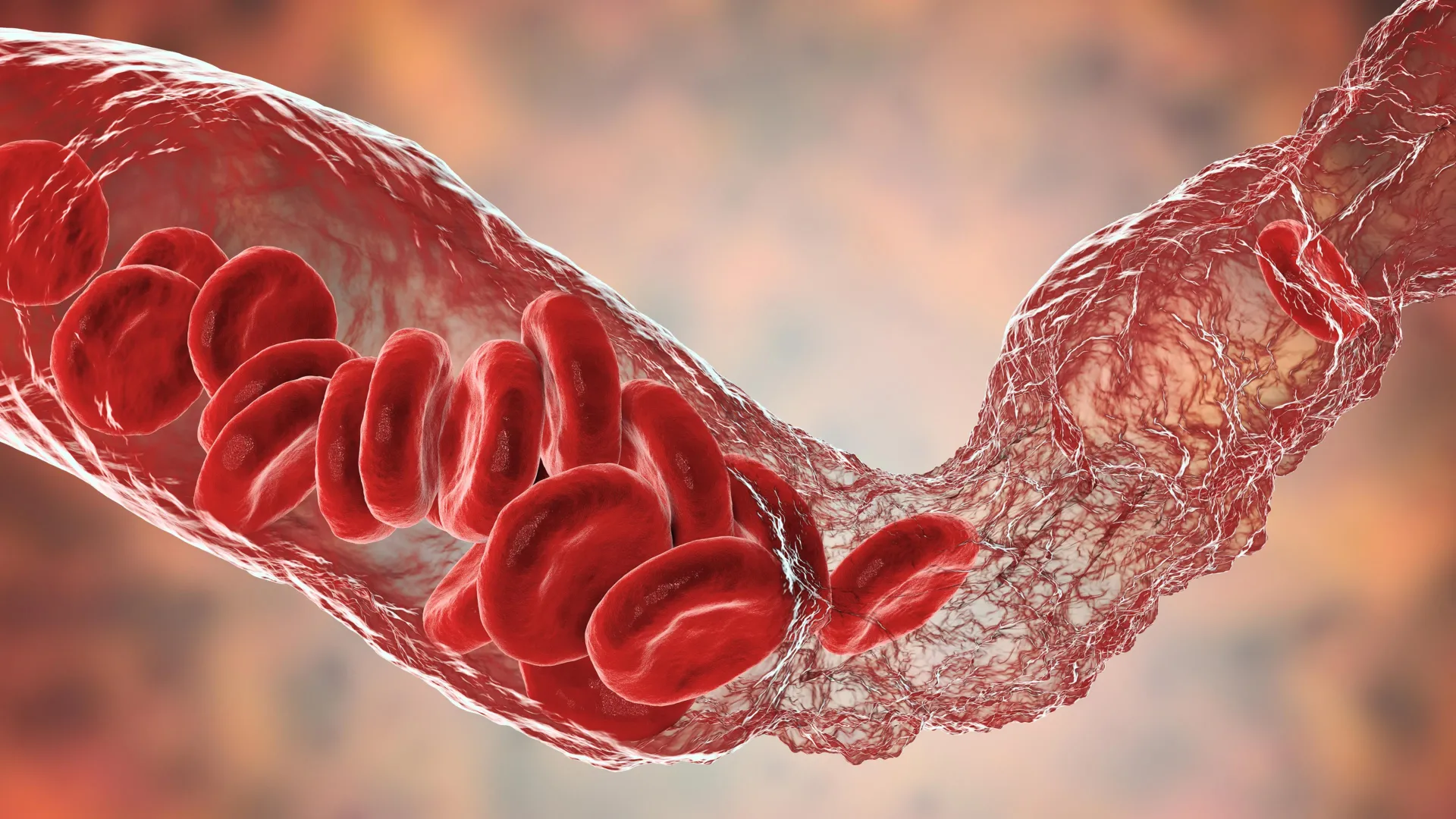
This syndrome, dubbed VITT, became a subject of intense scrutiny. It was not a typical side effect; it was an immunological anomaly. The condition was found to be mediated by antibodies that targeted PF4, a protein that normally helps the body heal wounds. When these autoantibodies bind to PF4, they activate platelets in an uncontrolled manner, leading to the formation of clots rather than the prevention of bleeding. For years, the question remained: Why would the body, in response to a vaccine, suddenly decide to attack its own blood proteins?
A Chronology of Discovery: From Observation to Mechanism
The journey to this discovery has been a meticulous process of scientific "sleuthing" spanning four years.
2021: The Emergence of VITT
As COVID-19 vaccination programs expanded, health authorities in Australia and Europe identified a cluster of VITT cases. The medical community was mobilized, and the race to characterize the syndrome began. Researchers quickly established that the common denominator was the adenovirus vector platform, used in vaccines like the Oxford-AstraZeneca (Vaxzevria) and the Johnson & Johnson (Janssen) shots.
2022: Decoding the Genetic Risk
A significant breakthrough occurred in 2022 when researchers at Flinders University, led by Dr. Jing Jing Wang and Professor Tom Gordon, Head of Immunology at SA Pathology, successfully decoded the structure of the PF4-targeting antibody. Crucially, they identified a genetic predisposition: a specific antibody gene known as IGLV3.2102. This finding suggested that some individuals possess a genetic "blueprint" that makes their immune system more likely to react poorly to the adenovirus vector. This work solidified the collaboration with Professor Andreas Greinacher’s team at Greifswald University, who were at the forefront of clinical observations of VITT.
2023: The Natural Infection Link
The narrative took a surprising turn in 2023 when Professor Ted Warkentin from McMaster University reported that a nearly identical clinical condition—PF4-mediated clotting—had been observed in patients who had never been vaccinated but had suffered from natural adenovirus infections (the common cold). This was a pivotal moment: it proved that the issue was not necessarily a specific "ingredient" unique to a vaccine, but rather a reaction to the adenovirus itself.
2024: The "Missing Link" Revealed
The final piece of the puzzle was confirmed in the recent NEJM publication. Using advanced mass spectrometry, the team demonstrated "molecular mimicry." They discovered that the adenovirus vector contains a specific protein—the pVII protein—that structurally resembles PF4. In rare cases, the immune system confuses the two, mounting an attack on the viral protein that inadvertently cross-reacts with the patient’s own blood proteins.
Molecular Mimicry: How the Immune System Goes Awry
The core of this discovery lies in the concept of molecular mimicry. The human immune system is designed to be highly specific; it creates "keys" (antibodies) that fit only specific "locks" (pathogens). However, nature is rarely perfectly distinct.
When the adenovirus enters the body, the immune system identifies it as an invader and begins producing antibodies. In individuals with the IGLV3.2102 gene variant, the immune response is hyper-focused on the adenovirus’s pVII protein. Because the pVII protein and the human PF4 protein share certain structural similarities, the "keys" produced by the immune system are essentially "skeleton keys" that can open both the viral lock and the human blood protein lock.
Once the antibodies bind to the PF4 on the surface of platelets, they trigger a cascade of activation that leads to clotting. Dr. Jing Jing Wang, the lead researcher from Flinders University, describes this as the definitive "missing link" that explains how a normal, healthy immune response can, in rare instances, transform into a pathogenic autoimmune reaction.
Global Scientific Response and Implications
The impact of these findings has reverberated throughout the global immunology community.
Professor James McCluskey, a renowned immunologist from the University of Melbourne and the Peter Doherty Institute, praised the work as a "brilliant piece of molecular sleuthing." He noted that the research successfully connects the dots between a normal physiological response to a viral protein and the development of severe, autoimmune pathology.
The Path to Safer Vaccines
Perhaps the most significant takeaway from this study is the optimism it provides for vaccine development. Because the research pinpointed the exact culprit—the pVII protein within the adenovirus vector—vaccine manufacturers now have a clear path to improvement.
"By modifying or removing this specific adenovirus protein, future vaccines can avoid this extremely rare reaction while continuing to provide strong protection against disease," Dr. Wang stated.
This is a profound realization for public health. Adenovirus-based platforms are not only used for COVID-19 but are also being researched for vaccines against other diseases, including malaria, tuberculosis, and various cancers. The ability to "edit" these vectors to eliminate the risk of molecular mimicry means that these cost-effective, easily deployable platforms can continue to be used safely, particularly in developing regions where they remain the most viable option for large-scale immunization.
Conclusion: A Trilogy of Discovery
Professor Tom Gordon reflected on the gravity of the research, describing the series of publications in the New England Journal of Medicine as a "trilogy" that has solved a medical mystery. "It has been a fascinating journey with an outstanding international team of collaborators to solve the mystery of this new group of blood clotting disorders," he said.
The discovery serves as a testament to the power of international, multidisciplinary collaboration. What began as an alarming observation in clinics around the world during a global crisis has been systematically broken down, analyzed, and solved through the convergence of immunology, genetics, and mass spectrometry.
As the world moves forward, the "molecular sleuthing" performed by the Flinders-Greifswald-McMaster team provides more than just an answer to a past problem; it provides a safer foundation for the vaccines of the future. The ability to identify, understand, and mitigate these risks in real-time is the hallmark of modern, evidence-based medicine, ensuring that as we protect populations from infectious disease, we do so with an ever-deepening understanding of the complex human biological landscape.