











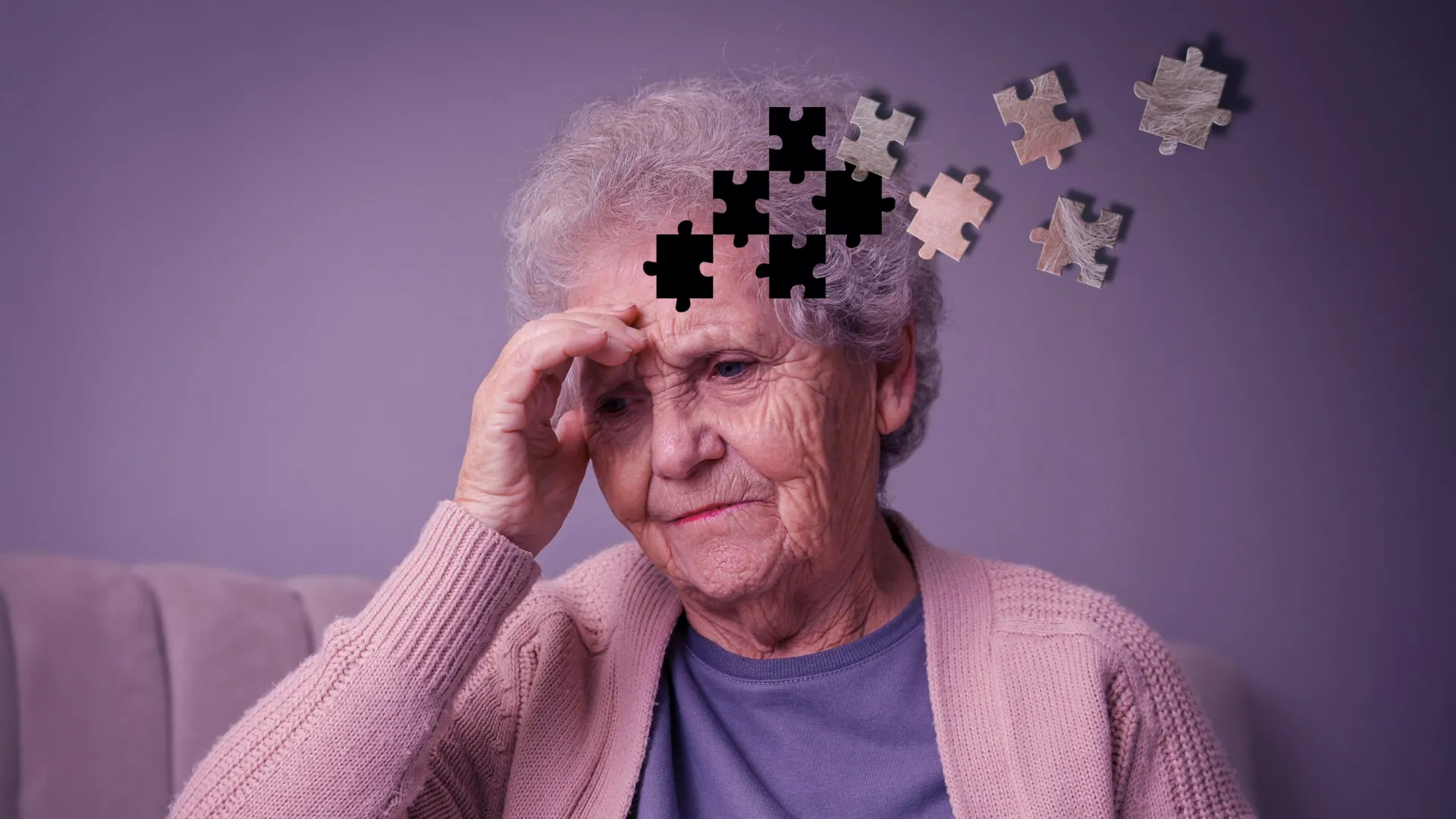
For decades, the medical community has recognized a stark, sobering reality: women are disproportionately burdened by Alzheimer’s disease and related dementias. While it has long been assumed that this disparity is primarily a result of women living longer than men, new research suggests the truth is far more complex—and potentially more actionable.
A groundbreaking study conducted by researchers at the University of California San Diego School of Medicine, published May 19, 2026, in the journal Biology of Sex Differences, provides compelling evidence that common, modifiable dementia risk factors affect the cognitive health of women and men with varying degrees of severity. The findings suggest that the path to prevention may not be a "one-size-fits-all" approach, but rather a targeted, sex-specific strategy that could reshape how we treat and manage brain health.
The Weight of the Burden: Why Women?
Nearly seven million Americans are currently living with Alzheimer’s disease, a figure that continues to climb as the population ages. Among this cohort, women account for nearly two-thirds of all cases. For years, the prevailing scientific consensus pointed toward longevity as the primary culprit; because women, on average, outlive men, they spend more years in the age bracket where dementia risk is highest.
However, the team at UC San Diego, led by first author Dr. Megan Fitzhugh and senior author Dr. Judy Pa, sought to look beyond demographic averages. They questioned whether the biology and lifestyle factors associated with cognitive decline—such as cardiovascular health, metabolic function, and mental health—interact with sex in ways that have been previously overlooked.
"Looking beyond which risk factors are most common, we found that some have a disproportionately larger impact on women’s cognition," explained Dr. Fitzhugh, an assistant professor of neurosciences at UC San Diego School of Medicine. "This suggests that prevention efforts may be more effective if they are tailored not just to risk factor prevalence, but to how strongly each factor affects cognition in women versus men."
Chronology of the Research: Unpacking the Data
The study’s methodology was rigorous, utilizing data from the Health and Retirement Study—a nationally representative, longitudinal panel of U.S. adults in mid-to-late life. The researchers analyzed more than 17,000 participants to assess 13 established risk factors for dementia.
The Investigated Variables
The researchers selected a comprehensive list of modifiable risks known to contribute to neurodegeneration:
- Cardiometabolic factors: Hypertension, diabetes, and high body mass index (BMI).
- Lifestyle factors: Smoking, alcohol consumption, and physical inactivity.
- Socio-behavioral factors: Education level and depression.
- Sensory and systemic issues: Hearing loss.
The research process unfolded over several months of data synthesis and statistical modeling. By isolating these variables and cross-referencing them with cognitive performance metrics, the team was able to map how these risks influence brain function differently across the sexes.
The study reached a critical inflection point when the researchers observed that even when men and women shared the same risk factor—such as high blood pressure—the cognitive "penalty" for that condition was often significantly steeper for women.
Supporting Data: The Asymmetry of Risk
The analysis revealed a complex landscape where the "common" risk factors do not exert equal pressure on the male and female brain. While men and women both face significant health challenges, the biological and social drivers of these challenges diverge in meaningful ways.
The Findings at a Glance
- Cardiovascular and Metabolic Sensitivity: Hypertension and elevated BMI showed a much stronger negative correlation with cognitive performance in women. Even when controlling for age and baseline health, women with high blood pressure showed a more rapid decline in cognitive scores compared to their male counterparts.
- The Paradox of Prevalence: In some cases, a condition might be more common in men, yet more damaging to women’s cognition. For instance, while hearing loss and diabetes occurred at higher rates in the male participants, the presence of these conditions was more strongly tied to lower cognitive scores in women.
- Educational Attainment: The study noted that women in the cohort had slightly lower average educational attainment. Since education is a known "cognitive reserve" factor—helping the brain remain resilient against pathology—this discrepancy provides a piece of the puzzle regarding why women may be more vulnerable to the onset of symptoms.
The data suggests that the female brain may be more sensitive to systemic inflammation and vascular stress, or perhaps that the hormonal environment—specifically the post-menopausal drop in estrogen—exacerbates the impact of these physical ailments.
Official Responses and Expert Perspective
The implications of this study have resonated throughout the scientific community, reigniting the debate over "precision medicine" in neurology.
Dr. Judy Pa, a professor of neurosciences and the study’s senior author, emphasized that the medical field has historically failed to treat sex as a primary biological variable in chronic disease research. "Sex differences are profoundly overlooked among many leading causes of death like Alzheimer’s, heart disease, and cancer," Dr. Pa stated. "By ignoring these differences, we are essentially ignoring half of the population’s unique medical needs."
The Alzheimer’s Association, which co-funded the research, has praised the study for its granular approach. Health advocates argue that this research provides a blueprint for doctors to change their clinical practice. Instead of waiting for a patient to reach a certain age to begin screening, physicians might soon be encouraged to treat cardiovascular risk factors in women with even greater urgency, recognizing that they are not just protecting the heart, but preserving the brain.
Implications: A New Era of Targeted Prevention
The most transformative aspect of this research is its potential to transition dementia care from a reactive model to a proactive, personalized one.
1. Tailored Clinical Interventions
If a female patient presents with hypertension, physicians should no longer view it merely as a risk for heart attack or stroke. Given these new findings, it must be communicated to the patient as a critical neuroprotective priority. The study suggests that managing depression, increasing physical activity, and aggressively treating cardiovascular issues are not just general health tips—they are specific, high-priority interventions for women’s brain health.
2. The Shift Toward Precision Medicine
The medical community is increasingly moving away from population-wide averages. Precision medicine aims to leverage an individual’s genetic, environmental, and sex-specific characteristics to guide prevention. This study provides the empirical backbone to support sex-specific clinical guidelines for cognitive screenings.
3. Addressing the "Why"
While the study establishes that these differences exist, the why remains an active area of investigation. Researchers point to several potential mechanisms:
- Hormonal Cascades: The role of estrogen in brain health and its protective influence on vascular systems.
- Genetic Susceptibility: Whether specific genes linked to Alzheimer’s, such as the APOE-ε4 allele, interact differently with sex-linked hormonal environments.
- Social Determinants of Health: Differences in access to preventative care, stress levels, and historical disparities in health education.
Conclusion: Looking Ahead
The study by Fitzhugh and Pa serves as a clarion call for future research. By identifying that modifiable risk factors act differently upon the female brain, the team has opened a new door for neuroscientists and primary care physicians alike.
"Ultimately, a more nuanced understanding of these differences could help us design smarter, more targeted interventions," Dr. Fitzhugh concluded. "That’s an essential step toward reducing the burden of dementia for everyone, but especially for women, who are disproportionately affected."
As the scientific community continues to digest these findings, the path forward is clear: the quest for a cure—or at least a delay—in Alzheimer’s must prioritize the biological reality of the patient. By recognizing that women’s cognitive health is uniquely influenced by their cardiovascular and metabolic health, we can move closer to a future where the gender gap in dementia is not a foregone conclusion, but a manageable medical challenge.
The study, titled "Sex differences in modifiable risk factors of dementia and their associations with cognition," was funded by the National Institute on Aging and the Alzheimer’s Association. The authors report no conflicts of interest.