For the casual observer of the modern country music scene, Nate Smith is a blur of high-octane energy. He is the man commanding stadiums, trading verses with industry titans like Morgan Wallen, and delivering raw, gravel-voiced anthems to sold-out crowds night after night. To the thousands of fans watching him from the front row, he appears to be a man operating at the peak of his powers, fueled by the adrenaline of fame and the relentless grind of a touring schedule that would buckle the knees of most.
Yet, behind the chart-topping singles and the blinding stage lights, the ACM-winning singer has been quietly navigating the most profound transformation of his life. It is not a story told in tabloid headlines or overnight fitness trends, but one of slow, deliberate reconstruction. Smith has shed more than 70 pounds, fundamentally altered his relationship with alcohol, and embraced the rigorous, often uncomfortable work of therapy and meditation. His journey is a testament to a shift in philosophy: the realization that true physical vitality is not built in the gym alone, but is rooted in the quiet, unglamorous work of mental and emotional health.
Main Facts: A Blueprint for Sustainability
Nate Smith’s evolution is defined by a rejection of the "extreme." In an industry often plagued by crash diets and unsustainable fitness fads, Smith has opted for the long game. His wellness architecture relies on three pillars: consistency, emotional healing, and a supportive ecosystem—both in his inner circle and his professional team.
The central thesis of Smith’s philosophy is captured in his own words: "I think the biggest thing for my mental health is self-love. When I’m filling up my own tank and taking care of myself, I’m able to love people better." This is not merely a sentiment; it is a management strategy. By prioritizing his own health, Smith has ensured that he has the stamina to meet the demands of his career without sacrificing his long-term well-being.
His physical routine is a stark departure from the traditional "bodybuilder" approach. There are no mandatory hours of bench pressing or specialized country-club fitness regimens. Instead, Smith’s movement is organic. It is found in the steady, rhythmic pace of a hiking trail, the controlled chaos of a high-energy live performance, and the restorative mobility work he performs in the early hours before the sun rises.
Chronology: From the Hospital Ward to the Main Stage
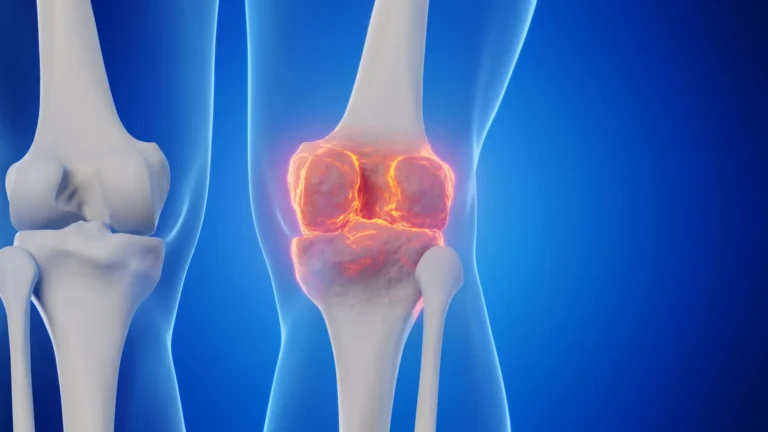
To understand the current version of Nate Smith, one must look at the foundation he built long before the fame. For 15 years, Smith worked as a hospital nurse assistant. The work was grueling, characterized by long shifts, high-stress environments, and the constant physical strain of lifting patients. It was here that he first encountered the limits of his own body. Chronic back pain, exacerbated by multiple herniated discs, became a constant companion—a physical manifestation of the physical and emotional weight he was carrying.
As his musical career began its meteoric rise, the transition from hospital floors to tour buses did not alleviate the pressure; in many ways, it intensified it. The sedentary nature of travel, combined with the "lifestyle" often associated with touring, created a compounding effect on his health.
The turning point came when the reflection in the mirror no longer aligned with the person he knew himself to be. "I was so tired of how I looked in the mirror," Smith reflects. "I wasn’t able to be myself completely because I was so worried about how I looked."
With the guidance of his brother, Kyle—an influencer known for his high-protein, "Tasty Shreds" approach to comfort food—Smith began a systematic recalibration. He didn’t overhaul his life overnight. He started by swapping sugary coffee shop staples for espresso with sugar-free alternatives. He pivoted from calorie-dense, low-nutrient snacks to protein-rich fuel. He began the work of mental health through therapy, treating it with the same non-negotiable status as a soundcheck.
Supporting Data: The Mechanics of Recovery
Smith’s commitment to his health is backed by a professional support system that rivals that of elite athletes. Central to this is his work with Dr. Jorge Rojas, a Franklin, Tennessee-based specialist who also works with NFL players.
The focus of this partnership is spinal alignment and mobility. Given his history of herniated discs, Smith’s training is centered on "pre-hab"—preventative maintenance designed to keep him functional. This includes:
- Mobility Work: Daily stretching to counteract the structural impact of long travel and stage performance.
- Physical Therapy: Targeted exercises to manage disc health and alleviate nerve pressure.
- Nutritional Discipline: Maintaining a high-protein diet that supports muscle retention while providing the sustained energy needed for trekking and touring.
- Weight Management: The 70-pound weight loss has acted as a mechanical release for his spine, significantly reducing the load-bearing stress that once made daily life—and performing—excruciating.
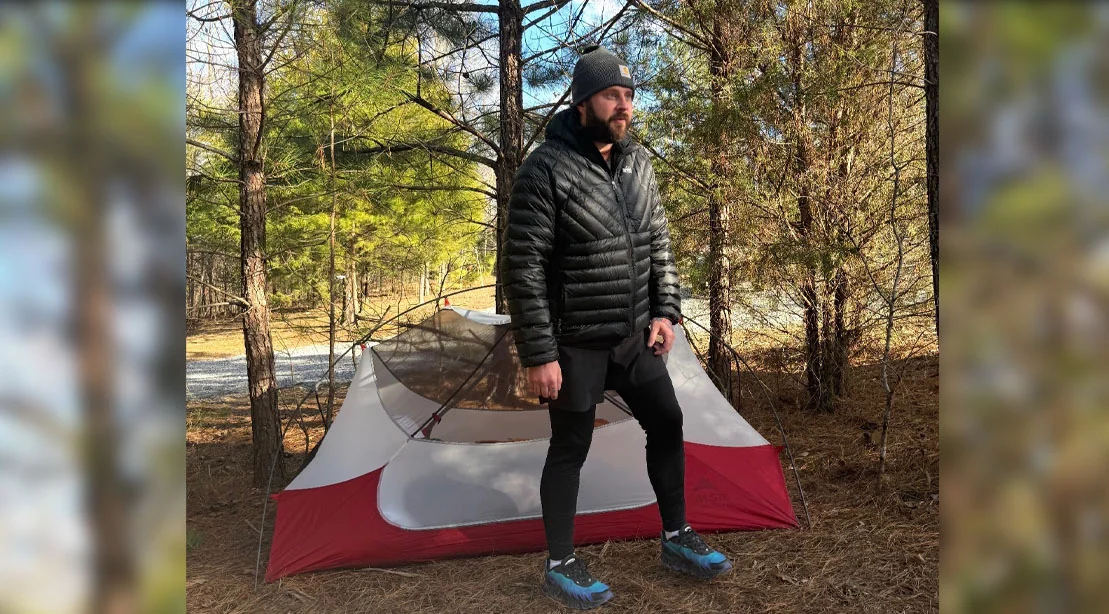
Smith’s approach to hiking is perhaps the best example of his "controlled chaos" fitness. He doesn’t view hiking as a workout; he views it as a "reset button." Whether it is trekking through Yosemite or braving the overnight lines at Camp 4, the discomfort of the outdoors serves as a mental anchor. His nutrition on the trail is precise: turkey sticks, protein-heavy snacks, and, on the occasion of a successful summit or a long day on the trail, a dehydrated Mountain House lasagna. It is a pragmatic, functional approach to nutrition that values utility over aesthetic perfection.
Official Perspectives and Professional Insights
The industry response to Smith’s transformation has been one of quiet respect. In an era where "wellness" is often commercialized, Smith’s narrative remains deeply personal and grounded in his faith. His early roots in a church youth group provided the framework for his current approach to life—one that prioritizes compassion over conflict.
"My whole thing is love," Smith says. "I just want to love people, high-five people, and make people better."
This philosophy has permeated his professional life. Unlike many artists who prioritize the "VIP" aspect of touring—retreating to a private trailer the moment the final chord is struck—Smith remains on stage or at the barricade, signing autographs and interacting with fans until the venue is empty. This is not just a marketing tactic; it is a psychological choice. The exhaustion of the show is the price of the connection he values.
Dr. Rojas and other health professionals note that Smith’s success is largely due to his adherence to the "boring" parts of health. He doesn’t look for quick fixes. He looks for longevity. By addressing the root causes of his pain—both physical and psychological—he has ensured that his career will be measured in decades rather than years.
Implications: The Power of Self-Compassion
The most significant implication of Nate Smith’s journey is the de-stigmatization of mental health work in the country music sphere. By openly discussing his weekly therapy sessions, his attendance at intensive counseling retreats, and his daily practice of writing down three positive affirmations, Smith is setting a new precedent.
He admits that the process of writing affirmations felt "awkward" at first. For a man who spent years brushing off praise and harboring internal doubt, the act of affirming his own worth was a radical departure. Yet, he maintains that this practice—coupled with his physical transformation—has fundamentally changed his trajectory.
"You are worthy of love," he says, addressing the younger version of himself. "Your block is you."
For Smith’s fans, many of whom look to him as a beacon of success, the takeaway is clear: the most difficult stage to conquer is the one inside your own head. His journey suggests that when an individual stops treating their body and mind as obstacles to be overcome and starts treating them as vessels to be nurtured, the performance—whether on a stadium stage or in daily life—inevitably follows suit.
Nate Smith is no longer just an artist thriving in a demanding schedule. He is an artist thriving in his own skin. By choosing the path of sustainability, consistency, and vulnerability, he has proven that the most impressive feat an artist can achieve isn’t the number of records sold or the size of the arena—it is the quiet, daily act of becoming a better version of oneself.