





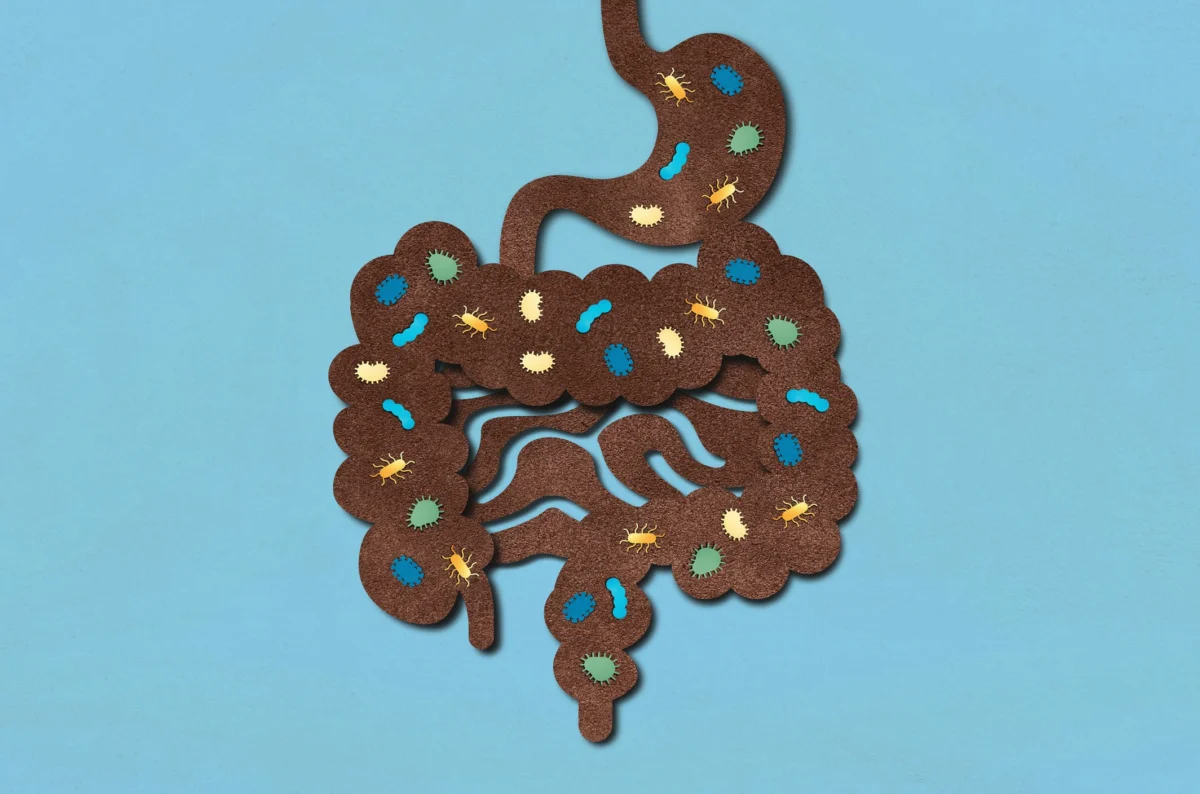
For decades, the medical community viewed sleep disorders—ranging from chronic insomnia to narcolepsy—primarily through the lens of neurology, endocrinology, and respiratory physiology. However, a paradigm-shifting literature review recently published in the journal Brain Medicine suggests that the key to unlocking the mysteries of these conditions may reside not in the brain, but in the gut.
An international team of researchers from leading institutions in China and the United States has synthesized a growing body of evidence confirming that intestinal microbiome disruption is not merely a consequence of sleep loss, but a likely driver of it. This comprehensive analysis highlights specific microbial biomarkers associated with narcolepsy and other sleep pathologies, suggesting that the "gut-brain axis" is a critical frontier for the development of targeted, next-generation therapies.
Main Facts: The Microbiota as a Regulator of Sleep
The human gastrointestinal tract is home to trillions of microorganisms, a complex ecosystem known as the gut microbiota. This community plays a fundamental role in maintaining systemic homeostasis, influencing everything from metabolic function to immune regulation. The Brain Medicine review clarifies that when this ecosystem falls out of balance—a state known as dysbiosis—the physiological signals that govern the sleep-wake cycle are profoundly disrupted.
The research indicates that patients suffering from sleep disorders exhibit significantly lower microbial diversity and altered taxonomic composition compared to healthy controls. This dysbiosis appears to affect the production of essential neurotransmitters, the modulation of immune responses, and the integrity of the intestinal barrier, all of which are inextricably linked to sleep architecture.
Chronology of Scientific Discovery
The path to identifying the gut-sleep connection has been incremental, moving from observational studies in animal models to sophisticated human genomic analysis.
- Early Observations: Initial clinical interest began with the observation that patients with gastrointestinal distress often reported concurrent sleep complaints, though the causal direction remained debated.
- The Rise of Metabolomics: In the last decade, the refinement of DNA sequencing and metabolomic profiling allowed scientists to move beyond "gut feeling" and begin mapping the specific bacterial species present in the human microbiome.
- The Narcolepsy Breakthrough: Research narrowed in on narcolepsy type 1 (NT1), a chronic neurological disorder characterized by an inability to regulate sleep-wake cycles. Researchers identified that NT1 patients possess a distinct microbial signature that differs markedly from the general population.
- The Current Synthesis: The recent Brain Medicine publication represents a critical synthesis of these disparate threads, providing a unified framework that correlates specific bacterial genera with clinical sleep markers, such as the arousal index and sleep efficiency.
Supporting Data: Mapping the Microbes
The review provides a detailed breakdown of how specific microbial profiles correlate with various sleep pathologies.
The Narcolepsy Signature
In patients with Narcolepsy Type 1, the research identifies a clear pattern of "microbial imbalance." Specifically, there is an overabundance of the genus Klebsiella, which has been implicated in various inflammatory processes. Conversely, these patients show a marked deficiency in beneficial bacteria such as Blautia, Barnesiella, and Lactococcus.
The study highlights a negative correlation between Coriobacteriales and Coriobacteriia and total sleep duration. Essentially, as the presence of these bacteria diminishes, sleep efficiency drops. Furthermore, the potential role of Lactococcus in regulating immune responses suggests that the fragmented sleep patterns seen in narcolepsy may be the result of a chronic, low-grade immune reaction triggered by an imbalanced gut flora.
Insomnia and OSA
Beyond narcolepsy, the researchers examined the microbial signatures of chronic insomnia and obstructive sleep apnea (OSA):
- Chronic Insomnia: Patients consistently demonstrate altered bile acid profiles and a decrease in Ruminococcaceae species. These changes are believed to interfere with the metabolic pathways that support restorative sleep.
- Obstructive Sleep Apnea (OSA): The data shows a reduction in alpha-diversity, with specific bacterial taxa correlating with the apnea-hypopnea index (AHI) and blood oxygen saturation. This suggests that the severity of OSA might be mitigated or exacerbated by the composition of the gut microbiome.
- Circadian Rhythm Disorders: In shift workers, the research found an increased abundance of Actinobacteria and Firmicutes, which are linked to increased intestinal permeability, or "leaky gut." This permeability allows bacterial toxins to enter the bloodstream, potentially triggering systemic inflammation that keeps the body in a state of high alert, even when sleep is required.
The Mechanisms: Biological Pathways
How exactly does a bacteria in the gut tell the brain to wake up or fall asleep? The review outlines several biological pathways:
- Short-Chain Fatty Acids (SCFAs): Bacteria such as Butyricicoccus produce SCFAs like butyrate. These metabolites are known to have anti-inflammatory and neuroprotective effects. A deficiency in these bacteria deprives the brain of essential support systems that protect against sleep disruption.
- Neurotransmitter Synthesis: The gut is often called the "second brain" because it is a primary site for the production of neurotransmitters. Gut bacteria are instrumental in the synthesis of gamma-aminobutyric acid (GABA), the primary inhibitory neurotransmitter in the brain that promotes relaxation and sleep. They are also major producers of serotonin, a precursor to melatonin.
- Immune Modulation: By maintaining the integrity of the intestinal lining, healthy microbiota prevent the translocation of pathogens into the blood. When this barrier is compromised, the body’s immune system goes into a state of activation, which is inherently antagonistic to the deep, restorative stages of sleep.
Official Responses and Expert Perspective
Lin Lu, a professor at Peking University Sixth Hospital and a lead voice in this research, emphasizes the gravity of these findings. "The gut microbiota is increasingly recognized as a key player in neurological and psychiatric health," Lu noted in a press release. "Our review demonstrates that disruptions in gut microbiota composition are closely linked to sleep disturbances across multiple disorders."
However, the research team remains cautious about the immediate clinical applications. While the data is compelling, they acknowledge that we are in the early stages of a scientific transition. "While significant progress has been made, important challenges remain," Lu added. "We need larger, well-controlled clinical trials with standardized methodologies to validate therapeutic approaches and understand individual response variability."
The call to action for the scientific community is clear: there is an urgent need to harmonize techniques—from how samples are collected and how DNA is extracted, to the tools used to assess sleep. Only through standardization can researchers compare studies across different populations and move these findings from the laboratory to the bedside.
Implications for Future Therapy
The implications of this research are profound. If sleep disorders are indeed tied to microbial dysbiosis, the future of treatment may move away from reliance on sedative-hypnotics, which often carry significant side effects and risk of dependency.
Potential Therapeutic Pathways Include:
- Targeted Probiotics: Rather than generic supplements, clinicians may one day prescribe "psychobiotics"—specific bacterial strains engineered or selected to boost GABA production or reduce inflammation associated with sleep apnea.
- Prebiotic Interventions: By fueling the beneficial bacteria already present in the gut, physicians may be able to restore the microbiome to a state that naturally promotes healthy circadian rhythms.
- Fecal Microbiota Transplantation (FMT): While currently reserved for extreme cases of gastrointestinal infection, early studies suggest that FMT could become a viable treatment for refractory insomnia, effectively "resetting" the gut-brain connection.
- Metabolic Restoration: By identifying the specific metabolites missing in sleep-disordered patients, practitioners may be able to supplement with targeted compounds to mimic the protective effects of a healthy microbiome.
Conclusion: A New Frontier in Medicine
The realization that our gut bacteria play a fundamental role in the quality of our sleep is a sobering reminder of the interconnectedness of human biology. As the Brain Medicine review highlights, the path toward better sleep may be found in the digestive tract. By viewing the microbiome as a dynamic, treatable system, medicine is poised to enter a new era of personalized sleep therapy.
While the "gut-brain axis" remains a complex, multifactorial field, the shift in focus from merely treating symptoms to addressing the root biological imbalances represents one of the most promising developments in modern sleep medicine. As researchers continue to isolate the microbial hallmarks of sleep disorders, the goal of personalized, targeted, and non-pharmaceutical interventions is moving steadily toward reality.