







By Editorial Staff
Living with chronic pain is often described by patients as a process of "shrinking." As the condition progresses, the world—once expansive and full of possibility—begins to contract. Physical limitations dictate mobility, emotional exhaustion limits social interaction, and the sheer necessity of energy conservation leads to rigid, protective routines. For many, these self-imposed boundaries become the architecture of their daily lives.
However, a growing movement within the chronic pain community is challenging the notion that these boundaries are permanent. Through the power of daily, virtual peer support, patients are discovering that while pain may define the perimeter of their lives, it does not have to dictate the quality of their connection or their capacity for growth. Michele Rice, a long-time advocate and facilitator for the U.S. Pain Foundation, serves as a poignant case study in this quiet revolution.
The Invisible Architecture of Chronic Pain
For millions of Americans, the morning is not a time of renewal; it is a hurdle. For Michele Rice, the start of the day was long defined by physical stiffness, the "loud" presence of pain, and a mental fog that made the prospect of early-morning engagement feel impossible.
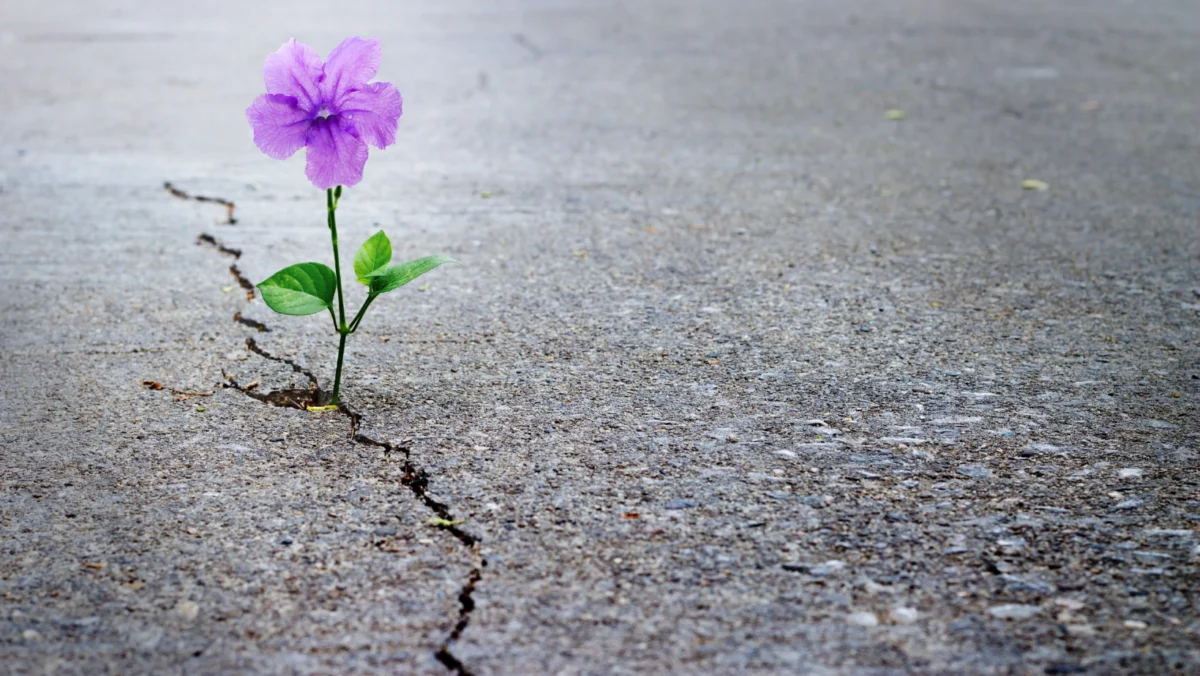
"Living with chronic pain has a way of quietly drawing lines around your life," Rice writes in a recent reflection. "Some of those lines are physical. Some are emotional. Some are routines we build to survive the day. Over time, those lines can start to feel permanent—like invisible boundaries that define what we can and cannot do."
These boundaries are not merely inconvenient; they are the adaptive strategies individuals employ to survive. In the context of chronic illness, the "spoon theory"—a metaphor often used to describe the limited energy units available to a person with chronic pain—dictates every choice. When every action costs a "spoon," the idea of committing to a daily, scheduled responsibility, such as leading a support group, is often discarded as an impossibility.
Chronology: From Hesitation to Facilitation
The transformation of Rice’s daily routine began with a simple, urgent need within the U.S. Pain Foundation’s network. The organization’s daily peer support group, a vital lifeline for members across the country, found itself in need of a new leader.
The decision-making process for Rice was not a calculated weighing of pros and cons, but an immediate, empathetic response. Recognizing that the loss of the group would leave vulnerable individuals without a daily point of connection, she chose to step forward.
- The Initial Impulse: Faced with the potential dissolution of a community pillar, Rice bypassed her usual internal cost-benefit analysis. She prioritized the needs of the collective over her own established boundaries.
- The Period of Adaptation: The first few weeks were characterized by significant discomfort. Rice had to navigate the physical realities of waking up earlier than her body preferred and the performance pressure of appearing on camera during high-pain days.
- The Shift in Perspective: As the program matured, the dynamic shifted. What was initially perceived as an expenditure of energy transformed into a reciprocal exchange. The "drain" of facilitation became a source of replenishment.
- Long-term Integration: Today, the morning group serves as a centerpiece for both the facilitator and the participants, proving that the rigid routines of chronic illness can be re-engineered to facilitate social health.
Supporting Data: The Vital Role of Peer Support
Medical literature increasingly supports the anecdotal evidence provided by Rice’s experience. Peer support groups are not merely social clubs; they are recognized as essential adjuncts to clinical care.
According to research published in the Journal of Pain and Symptom Management, patients who participate in consistent peer-led support demonstrate higher levels of self-efficacy and improved emotional regulation. The "biopsychosocial" model of pain management suggests that while medical interventions address the "bio" (the pathology), peer support addresses the "psycho" and "social" components, which are equally critical for long-term health outcomes.
Data from the U.S. Pain Foundation indicates that virtual support groups have become increasingly vital in the post-pandemic era. By eliminating the physical barrier of travel, these digital spaces allow individuals with severe mobility issues to participate in a community that validates their experience—a form of "validation therapy" that clinicians often cannot provide due to time constraints in a standard office visit.
Official Perspectives: The Clinical View on Community
Healthcare professionals are increasingly referring patients to support groups as part of a comprehensive pain management plan. Dr. Elena Vance, a specialist in pain rehabilitation, notes: "The isolation of chronic pain is often as debilitating as the physical symptoms. When a patient moves from a state of ‘suffering in silence’ to ‘sharing in community,’ we see a measurable decrease in markers of depression and anxiety."
The U.S. Pain Foundation emphasizes that peer-led groups fill a gap that the healthcare system is often ill-equipped to bridge. While physicians focus on symptom management and pharmacological or physical interventions, peer leaders provide the "lived experience" expertise that helps patients navigate the practicalities of daily life—from managing sleep hygiene to dealing with the social stigma of invisible illness.
Implications: Challenging the Permanent "Line"
The implications of this shift are profound for the chronic illness community. If a daily, high-intensity commitment like a support group can be managed by someone living with chronic pain, it forces a re-evaluation of what is considered "possible" for those with physical limitations.
1. The Reciprocity of Support
Rice’s experience highlights that support is rarely a one-way street. By facilitating, she became a recipient of the same resilience she sought to foster. This challenges the "patient-as-victim" narrative and replaces it with a "patient-as-contributor" narrative.
2. Redefining Success
In the context of chronic pain, success is often measured by the absence of symptoms. However, this model suggests that success can be defined by the presence of connection. Growth, in this context, is not about curing the pain but about expanding the life lived alongside it.
3. The Flexibility of Boundaries
The "lines" that patients draw around their lives are often more flexible than they appear. While safety and pacing are vital, the fear of exceeding one’s limits can lead to a premature closing off of the world. Engaging in a structured, meaningful activity can provide the structure necessary to actually increase one’s resilience, rather than depleting it.
Conclusion: A New Morning Ritual
Ultimately, Michele Rice’s journey illustrates that the most significant breakthroughs in chronic pain management often happen in the quiet, mundane moments—the act of logging into a camera, the vulnerability of a shared story, and the simple greeting that acknowledges a community’s existence.
Chronic pain may change the geometry of a life, but as Rice demonstrates, it does not erase the capacity to lead, to serve, or to grow. By stepping beyond the self-imposed boundaries of her routine, she has found that the most effective way to manage the challenges of her condition was not to retreat, but to build a bridge toward others.
For the many who are struggling with the daily "lines" drawn by their health, the lesson is clear: Growth does not always require climbing a mountain. Sometimes, it is as simple as showing up, being present, and inviting others to do the same. In doing so, the lines that once defined our limitations become the boundaries of our new, expanded world.