











In a significant consolidation move within the medical device sector, Endologix has finalized an agreement to integrate the Pounce Thrombectomy Platform into its existing suite of vascular solutions. By acquiring the technology—previously spearheaded by Surmodics—Endologix aims to provide vascular interventionists with a more comprehensive toolkit for managing complex arterial conditions. This acquisition represents a strategic pivot for Endologix, which is leveraging its established commercial infrastructure to scale a proven, high-growth asset in the peripheral vascular space.
The Core Technology: How the Pounce System Operates
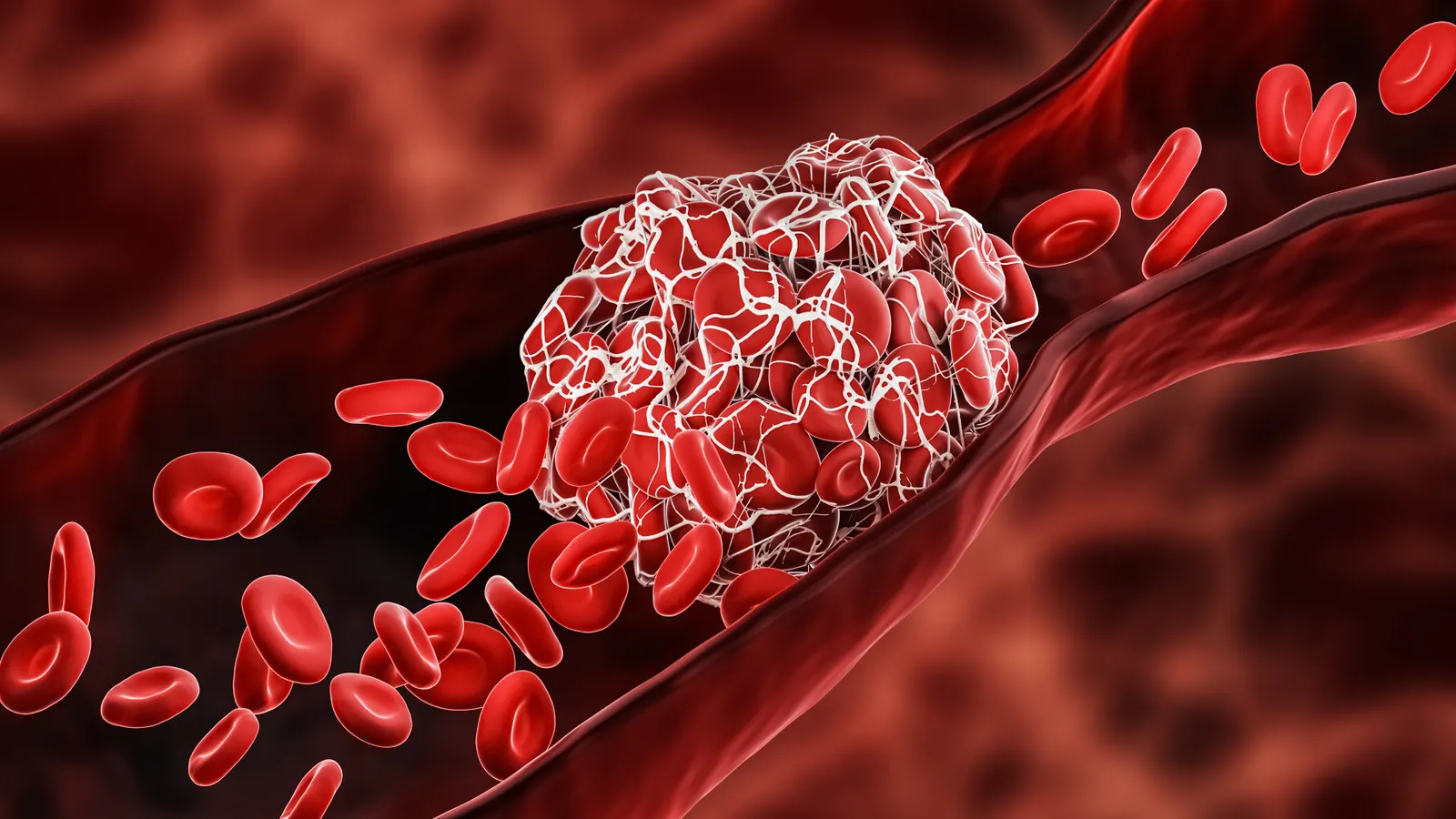
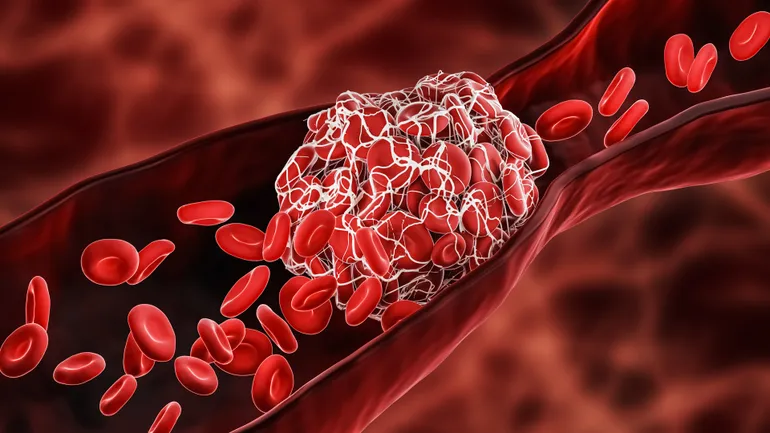
At the heart of this acquisition is the Pounce Thrombectomy Platform, a mechanical retrieval system designed to address the critical clinical challenge of arterial blockages. The device is engineered to provide a minimally invasive solution for the removal of thrombi and emboli—blood clots that can severely restrict blood flow and lead to life-threatening complications.
The procedural efficacy of the Pounce system lies in its sophisticated, multi-component design. During a procedure, the physician utilizes a specialized catheter to navigate past the clot, where two nitinol self-expanding baskets are deployed. A funnel is then positioned on the near side of the obstruction. As the practitioner retracts the catheter, the nitinol baskets effectively "scoop" or push the clot into the waiting funnel. Once the thrombus is safely captured within the funnel, the device is locked into place, ensuring the integrity of the capture during the extraction process.
This mechanism provides a distinct advantage in peripheral artery interventions, offering a mechanical approach that can potentially reduce the need for thrombolytic drugs, which carry their own risks of bleeding complications. By integrating this technology, Endologix is positioning itself to capture a larger share of the endovascular market, appealing to surgeons who prioritize procedural efficiency and patient safety.
Chronology of Development and Commercialization
The trajectory of the Pounce platform is a testament to the rapid evolution of endovascular medical technology. The device’s journey began with its conceptualization as a solution for peripheral mechanical retrieval, utilizing foundational designs that were later refined and expanded by Surmodics.
- Pre-Market Development: Surmodics initially utilized predicate devices, such as those from Nexgen Medical Systems, to secure the necessary regulatory pathways for its peripheral mechanical retrieval and expandable catheter systems.
- 2022: Market Entry: Following the establishment of a dedicated direct sales force, Surmodics initiated the commercial launch of the Pounce platform. This year marked the transition from clinical validation to real-world application, with the company seeing immediate, albeit modest, revenue growth as hospitals and clinics began adopting the technology.
- 2024: Regulatory Expansion and Financial Milestones: The FDA granted 510(k) clearance for an expanded, larger version of the Pounce device, signaling the regulator’s continued confidence in the platform’s safety profile. By the end of its final full fiscal year as a public company, Surmodics reported $45.6 million in medical device revenue, a figure significantly buoyed by the consistent performance of the Pounce and Sublime product lines.
- 2025: Transition to Endologix: Throughout the first nine months of 2025, the Pounce platform demonstrated sustained growth. However, this success occurred against a backdrop of broader financial volatility for Surmodics, where the gains from the thrombectomy platform were partially offset by downturns in other product segments. The acquisition by Endologix marks the latest chapter, shifting the platform into a company with a more focused vascular identity.
Supporting Data and Market Performance
The financial narrative surrounding the Pounce platform is one of resilience. While many medical device product lines face saturation, the Pounce system has maintained a growth trajectory that made it a crown jewel of the Surmodics portfolio.
According to SEC filings from the preceding years, the "modest, but meaningful" revenue associated with the Pounce platform acted as a stabilizing force. Even as the company navigated a $6.4 million decline in sales from unrelated devices during the first three quarters of 2025, the thrombectomy platform’s continued adoption provided a necessary buffer. This trend of "consistent utilization" is what ultimately attracted Endologix. The company’s decision to absorb a core group of the Surmodics team that specialized in the Pounce platform underscores the value placed on the institutional knowledge and clinical relationships built during the platform’s initial commercial rollout.
Synergistic Implications: Why Endologix?
For Endologix, the acquisition is not merely about adding a new product—it is about cross-selling and portfolio integration. Endologix has long been a leader in abdominal aortic aneurysm (AAA) repair and peripheral artery disease (PAD) treatments. Its portfolio includes:
- Detour: A specialized system for treating complex peripheral artery disease.
- Alto: A sophisticated stent graft system for AAA repair.
- AFX2: An endovascular system designed for the management of abdominal aortic aneurysms.
By bringing Pounce into this ecosystem, Endologix creates a comprehensive "one-stop-shop" for vascular interventionists. A physician performing a complex procedure to repair an aneurysm or clear a peripheral blockage can now utilize the same company’s ecosystem to manage potential thrombotic complications that may arise during or after the primary intervention. This alignment is expected to reduce training burdens for hospitals and streamline procurement processes, creating a compelling value proposition for healthcare systems looking to consolidate their vendor relationships.
Official Responses and Future Outlook
In the official deal announcement, Endologix emphasized that the integration process would prioritize continuity. By retaining the core group of Surmodics personnel who were intimately involved in the Pounce platform’s development and marketing, Endologix aims to minimize disruption for existing hospital clients.

"The integration of the Pounce platform is a logical step in our mission to improve outcomes for patients with vascular disease," an Endologix spokesperson noted. The strategy is clear: focus on high-value, high-growth segments where the company already holds a competitive advantage.
The industry at large views this move as a signal of ongoing consolidation. As hospitals face increasing pressure to optimize their supply chains, medical device manufacturers are under pressure to provide "total solutions" rather than isolated tools. Endologix’s move effectively immunizes its portfolio against the risks of being a single-category provider.
Strategic Implications for the Vascular Market
The acquisition of the Pounce platform has broader implications for the competitive landscape of interventional cardiology and vascular surgery. As the population ages, the prevalence of PAD and aortic aneurysms continues to climb, driving a perpetual need for advanced, minimally invasive interventions.
- Increased Competition: By strengthening its portfolio, Endologix is now better positioned to compete against larger medical device conglomerates that offer broad vascular platforms.
- Clinical Standardization: The adoption of a unified platform by interventionists often leads to improved clinical outcomes, as physicians become more proficient with a specific suite of interconnected tools.
- Innovation Trajectory: With the backing of Endologix’s R&D resources, the Pounce platform may see further iterations, potentially leading to faster, more effective, or more automated thrombectomy solutions in the near future.
In conclusion, the migration of the Pounce Thrombectomy Platform from Surmodics to Endologix is a calculated strategic maneuver that benefits both parties. For Surmodics, it allows for a shift in focus or capital allocation; for Endologix, it provides a high-performing asset that complements its existing clinical footprint. As the integration proceeds, the medical community will be watching to see how this expanded toolkit influences procedural success rates and long-term patient outcomes in the demanding field of vascular intervention.