









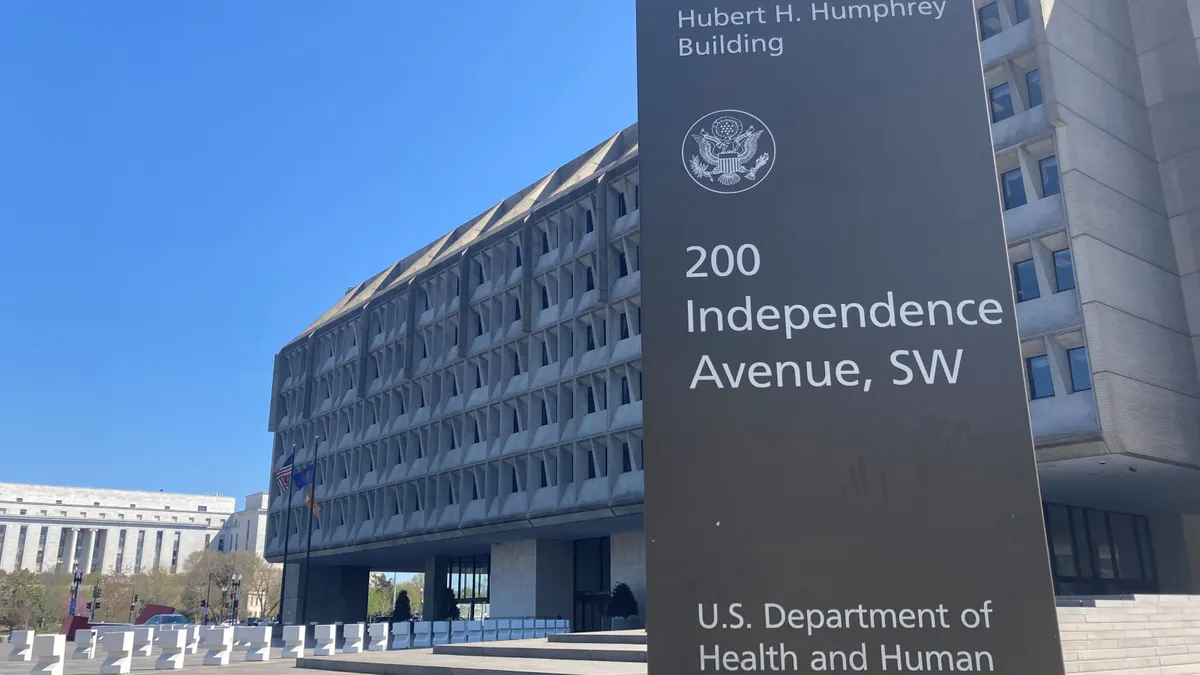
WASHINGTON, D.C. — In a move signaling a definitive pivot in the federal government’s regulatory philosophy, the Department of Health and Human Services (HHS) has announced the reinstatement of a specialized division focused on protecting the conscience and religious liberty rights of healthcare providers and social service workers.
The decision marks the resurrection of an office that was established during President Donald Trump’s first term, subsequently dissolved under the Biden administration, and now finds new life as part of a broader, aggressive campaign by the current administration to prioritize religious freedom within the nation’s health apparatus.
The Reinstatement: A Core Policy Priority
The Conscience and Religious Freedom Division, operating under the umbrella of the HHS Office for Civil Rights (OCR), is tasked with ensuring that healthcare institutions receiving federal funding adhere to federal laws protecting the right of clinicians to abstain from procedures that violate their moral or religious convictions.
For the current Trump administration, this is more than an administrative adjustment; it is a central pillar of its governing mandate. Since beginning his second term, President Trump has moved to cement religious liberty as a foundational element of his policy platform. This has included the establishment of a religious liberty commission within the Department of Justice, the creation of a White House office dedicated to faith-based initiatives, and vocal commitments to protecting religious communities from what the administration characterizes as institutional bias.
Chronology of Conscience Protections in the HHS
The trajectory of the Conscience and Religious Freedom Division reflects the shifting political winds of the last decade:
- 2018: The Conscience and Religious Freedom Division is formally launched within the OCR under the leadership of Roger Severino, a vocal advocate for religious liberty. The division is designed to centralize the enforcement of federal conscience laws.
- 2021-2024: Following the transition of power, the Biden administration shifts the focus of the OCR, effectively absorbing the division’s functions into broader civil rights categories and moving away from the specific, heightened focus on provider objections.
- 2025: The HHS undergoes a period of radical restructuring, marked by significant workforce reductions totaling over 15,000 employees. Internal instability characterizes the department throughout this period.
- May 20, 2026: The HHS officially confirms it will reinstate the standalone Conscience and Religious Freedom Division, signaling a return to the enforcement strategies of the first Trump term.
- June 2026: Full details regarding the division’s organizational structure and operational mandate are scheduled to be published in the Federal Register.
Supporting Data and Recent Enforcement Trends
The administration’s decision to elevate these protections occurs against a backdrop of increasing friction between clinical mandates and individual religious beliefs. Recent HHS inquiries suggest that the government is prepared to utilize its oversight authority to intervene in employment disputes within medical facilities.
Last year, the HHS initiated a high-profile inquiry into a pediatric hospital following allegations that the facility fired a nurse who refused to participate in the administration of puberty blockers and gender-affirming care. Similarly, a review was launched into a separate medical center where technicians were allegedly threatened with termination after expressing moral objections to assisting in abortion procedures involving ultrasound technology.
These actions align with the findings of a Department of Justice task force report released last month, which was dedicated to "eradicating anti-Christian bias" in federal agencies. The report highlighted the need for clearer regulatory language that shields providers from professional retaliation when they exercise their conscience rights. To date, the HHS reports that it has opened nearly 20 active enforcement actions specifically tied to conscientious objection cases.
The Professional and Ethical Debate
The reinstatement of the division has re-ignited a long-standing debate within the medical community. Proponents argue that clinicians should never be forced to choose between their career and their faith. They maintain that the government has a moral duty to prevent a "chilling effect" on religious individuals entering the medical profession.
However, critics, including various medical associations, argue that these policies create significant barriers to patient care. When the division was first created in 2018, the American Medical Women’s Association (AMWA) issued a formal statement expressing deep concern that such an office could be used to limit access to essential reproductive health services, such as birth control, sterilization, and pregnancy termination.

Critics contend that by prioritizing the rights of the provider over the needs of the patient, the federal government may unintentionally jeopardize the standard of care, particularly for marginalized populations who may find their access to services restricted by the personal beliefs of the practitioners available to them.
Organizational Context: A Department in Transition
The timing of this announcement is particularly noteworthy given the state of the HHS. The department is still reeling from the massive downsizing that occurred between late 2024 and the fall of 2025.
Observers have noted that the "disarray" left in the wake of the 15,000-person layoff has made policy implementation unpredictable. However, HHS officials have been quick to clarify that the current reinstatement of the division is not expected to trigger a new round of layoffs. Unlike the broader, chaotic restructuring seen last year, this move is presented as a strategic realignment of existing resources under the OCR.
Long-Term Implications
The return of the Conscience and Religious Freedom Division represents a structural entrenchment of the Trump administration’s social agenda. By housing these protections in a dedicated, high-profile division, the administration ensures that religious liberty concerns will remain at the forefront of healthcare compliance audits.
1. Regulatory Compliance for Hospitals
Hospitals and health systems that receive federal funding will likely face a new layer of scrutiny. Legal departments are already preparing for updated guidance that will require more robust protections for staff who file conscience-based objections. Facilities will need to demonstrate that they have protocols in place to accommodate these requests without violating federal law.

2. The Future of Reproductive and Gender-Affirming Care
The most significant impact will likely be felt in the delivery of reproductive and gender-affirming healthcare. As the administration continues to use the OCR to investigate cases, hospitals that provide these services may find it increasingly difficult to staff their departments if they cannot reconcile federal conscience protections with their operational requirements.
3. Judicial and Political Friction
The move is likely to face immediate legal challenges from civil rights groups and advocacy organizations who view the division as an overreach of executive power. The question of where the "conscience of the provider" ends and the "right to care for the patient" begins is likely to be adjudicated in federal courts for years to come.
As the Federal Register prepares to release the full details in June, the healthcare sector is bracing for a new era of enforcement. Whether this division serves as a necessary shield for individual liberty or a dangerous hurdle to equitable care remains the central question in a deeply polarized national landscape. For the Trump administration, however, the mission is clear: to ensure that the conscience of the individual remains a protected, and prioritized, aspect of the American healthcare experience.