










In an era defined by rapid technological advancement, algorithmic food delivery, and the sterile efficiency of fast-casual chains, a growing number of American diners are finding solace in the familiar embrace of the past. There is a profound, visceral comfort found in the click of a Formica tabletop, the slide of a worn leather booth, and the quintessential "Googie-style" architecture that once defined the American roadside landscape. From the Pacific Coast to the heart of Texas, a movement is afoot—one that prioritizes nostalgic charm, communal warmth, and the unpretentious joy of homestyle comfort food.
This isn’t merely about aesthetics; it is a cultural reaction to the hyper-digitization of our daily lives. Consumers are actively seeking out "third spaces"—environments outside of the home and the office—that offer a sense of continuity, history, and genuine human connection.
The Resurgence of the American Diner: A Chronology of Comfort
The American diner has always served as a mirror to the country’s socio-economic climate. In the post-WWII era, these establishments were the symbols of prosperity and mobility. The 1950s and 60s represented the golden age of the drive-in and the roadside eatery, where the "all-day breakfast" became a staple of the American diet.
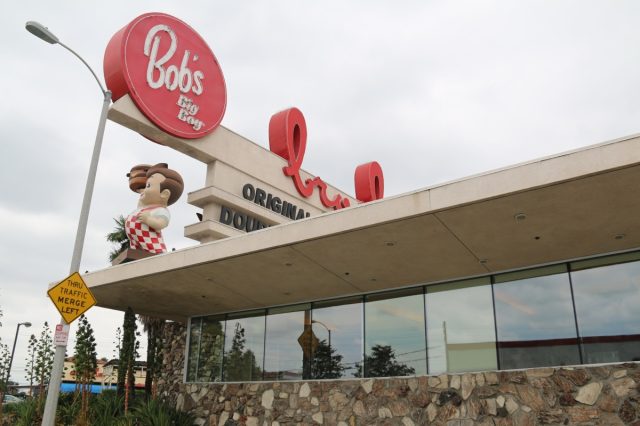
- 1950s–1970s (The Golden Era): Chains like Bob’s Big Boy and Mel’s Drive-In defined the landscape. Architecture was bold, neon-lit, and futuristic, designed to capture the attention of the growing automotive culture.
- 1980s–2000s (The Decline of the Classic): As the fast-food industry pivoted toward high-speed, low-cost drive-thrus, many traditional sit-down chains struggled to maintain their footprint. The "diner experience" was often sidelined in favor of efficiency.
- 2010s–Present (The Nostalgia Pivot): A significant shift in consumer behavior has occurred. Millennials and Gen Z, often characterized by a craving for "authentic" experiences, have sparked a resurgence in interest regarding mid-century design and classic American comfort food. Brands are now responding by leaning into their heritage rather than running from it.
Supporting Data: The Economics of Sentimentality
Market research consistently suggests that consumers are willing to pay a premium for "the experience" of dining. According to recent industry reports, restaurants that successfully market their "legacy" or "nostalgic roots" see higher customer retention rates.
The appeal is cross-generational. For the Baby Boomer and Gen X populations, these spots serve as a touchstone for their formative years. For younger demographics, these restaurants offer a "new" experience that feels grounded and tangible in a world that is increasingly virtual. When a diner chain combines a legacy brand identity with updated, high-quality ingredient sourcing, the result is a powerful value proposition that transcends simple hunger.
Five Chains Leading the Nostalgia Revolution
1. Bob’s Big Boy: The Gold Standard of Roadside Americana
Bob’s Big Boy remains an icon of American culture. With its distinctive, statue-adorned exterior and a menu that prides itself on "all-day" availability, it has managed to stay relevant by refusing to change what isn’t broken. Customers often remark on the "truly nostalgic" atmosphere, noting that bringing a first-timer to the restaurant is a rite of passage. The food-to-price ratio remains a point of pride, maintaining the reputation that built the chain decades ago.
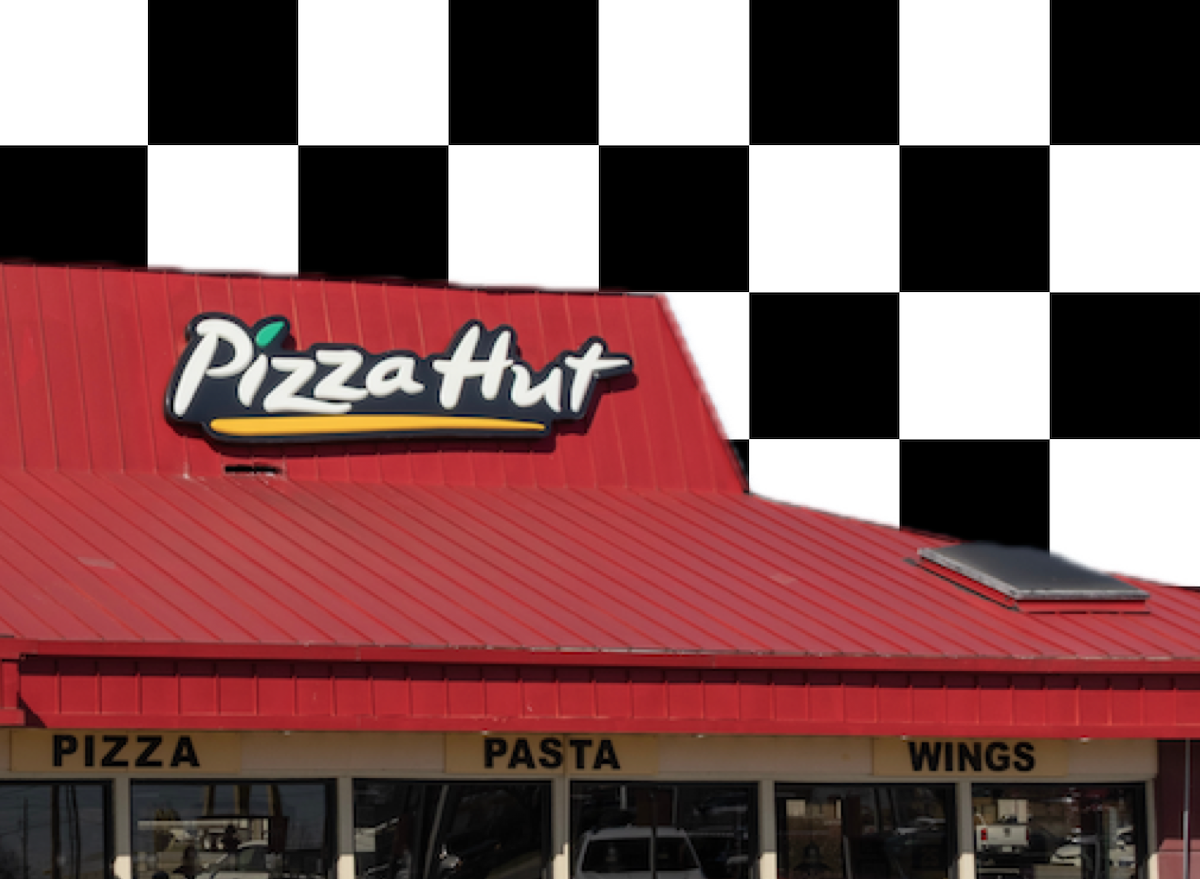
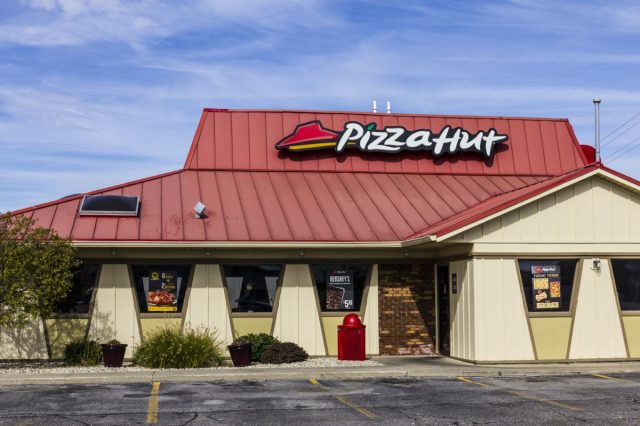
2. Pizza Hut: The Red-Roof Renaissance
Perhaps the most ambitious transformation is taking place at Pizza Hut. After years of focusing almost exclusively on delivery and carry-out, select franchisees are reclaiming the "Red Roof" experience. By reintroducing Tiffany-style lamps, salad bars, and the iconic red plastic cups, they are tapping into a powerful emotional vein. For many, the "Friday night Pizza Hut night" is a core childhood memory, and the return to this specific sensory experience is driving significant foot traffic back into the dining rooms.
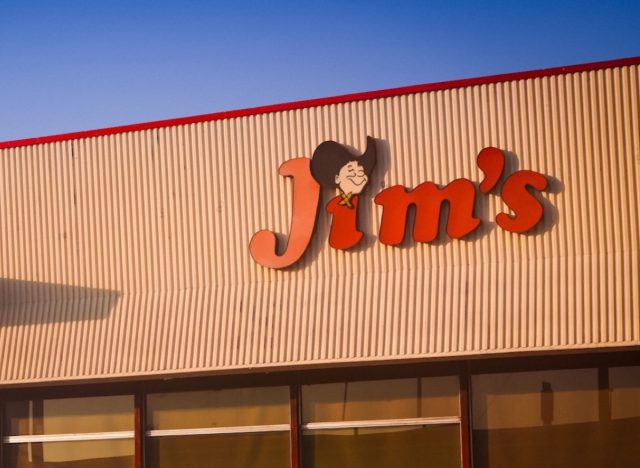
3. Jim’s Restaurants: The Texas Coffee Shop Staple
In Texas, Jim’s Restaurants serves as a masterclass in maintaining the "coffee shop vibe." By preserving the intimate, personal service that has defined them for generations, Jim’s creates a bridge between the past and present. The chain has successfully retained its original charm while ensuring that their menu offerings meet modern expectations for quality. For many, a meal at Jim’s is a return to their roots—a place where the staff treat regulars like old friends.
4. Mel’s Drive-In: Chrome, Milkshakes, and the 1950s
Mel’s Drive-In continues to be the definitive West Coast destination for those seeking a cinematic 1950s experience. While the decor is unapologetically retro, the focus remains on high-quality comfort food. The patty melt, in particular, has achieved cult status among fans of the chain. Mel’s proves that "old school" doesn’t have to mean "stale"; by keeping their aesthetic consistent and their food execution precise, they have secured their place in the modern dining landscape.
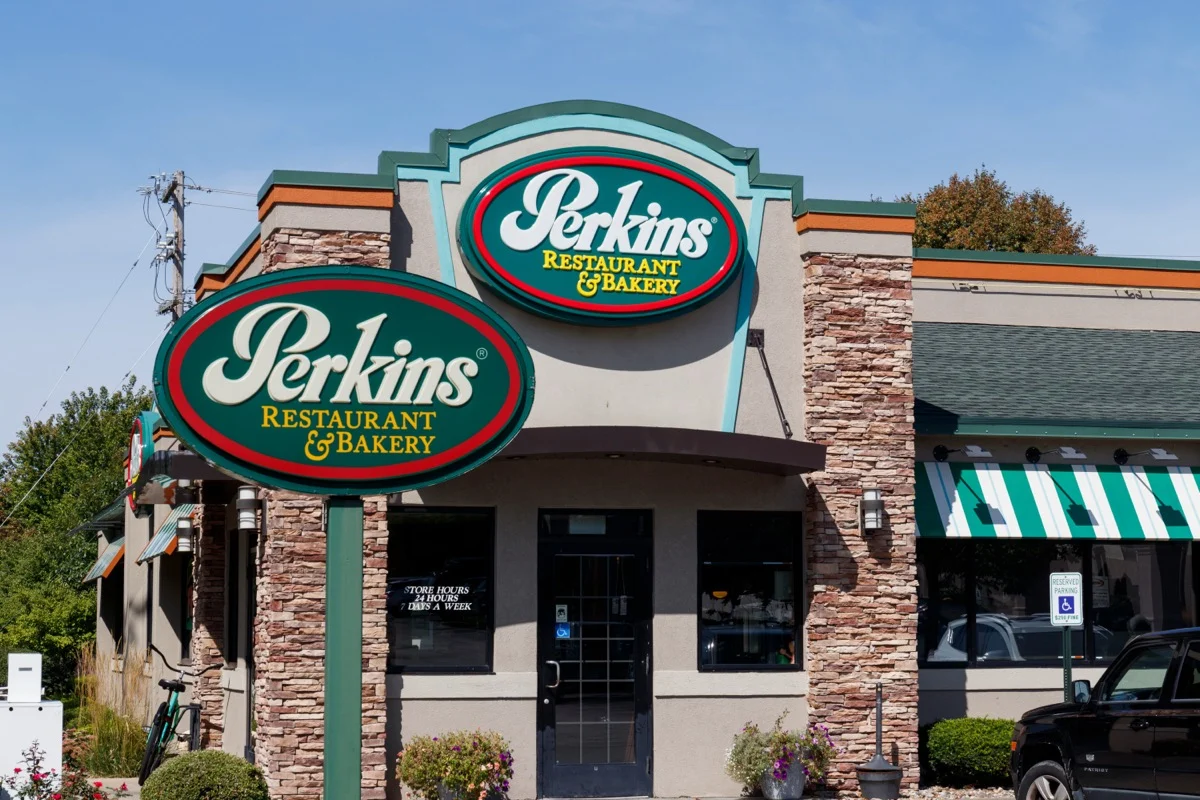
5. Perkins American Food Co.: Refined Heritage
Perkins is currently undergoing a strategic evolution, balancing 68 years of history with a need for modern appeal. By rebranding to "Perkins American Food Co." and updating their menus while keeping pancakes at the "heart of the attraction," they are proving that heritage brands can evolve without losing their identity. Their official stance reflects a broader industry trend: guests want the American classics of yesterday, but served in a space that feels comfortable and relevant to today’s standards.
Official Perspectives: The Strategy of "Then and Now"
Industry analysts point to a concept called "comfort-seeking behavior" in the hospitality sector. When the world feels volatile, consumers retreat to "safe" brands. Executives at chains like Perkins have publicly acknowledged that their pivot is rooted in this desire. Their marketing reflects a "refresh" rather than a "reboot"—a subtle difference that suggests they are polishing their legacy rather than replacing it.
The strategy is simple: honor the original design that made the restaurant welcoming and comforting, but ensure that the food quality, service technology, and menu diversity reflect current culinary trends.
The Implications for the Future of Dining
The implications of this trend are significant. First, we are likely to see a decrease in the number of "faceless" chain concepts and an increase in the "re-theming" of existing properties. Real estate developers and franchise owners are realizing that a brand with a story is easier to market than a generic outlet.
Second, the "experience" of dining is becoming as important as the nutrition itself. As high-tech food alternatives and ghost kitchens continue to expand, the "traditional diner" is positioning itself as a premium experience by default. It is becoming a luxury to sit in a booth for two hours, interact with a human server, and enjoy a classic meal without the pressures of a digital interface.
Ultimately, the revival of the retro diner is not a sign of stagnation, but of maturation. It is a collective acknowledgment that while progress is necessary, there are certain things worth preserving. Whether it is the perfect cup of coffee, the specific color of a vinyl booth, or the feeling of being part of a local community, the American diner is proving that the past has a very bright future.