










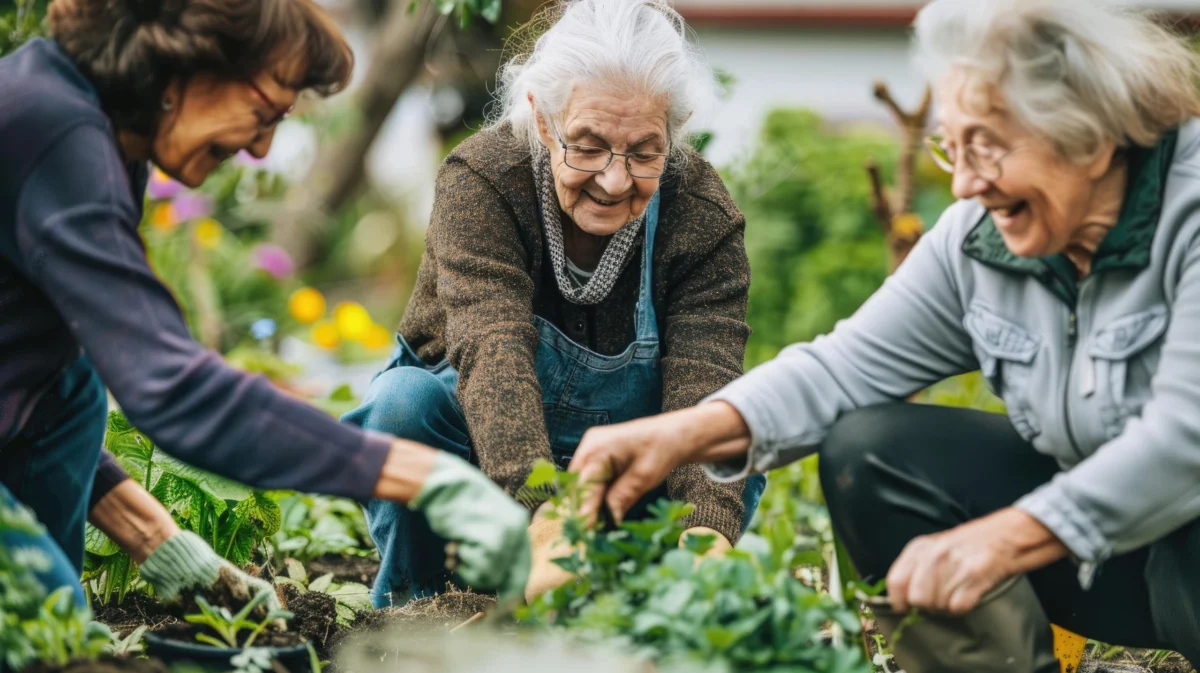
As Earth Day approaches, many of us are transported back to our childhoods: the smell of potting soil, the excitement of planting a sunflower seed in a paper cup, and the simple satisfaction of picking up litter to "save the planet." While these formative memories are often viewed through a lens of nostalgia, a growing body of scientific research suggests that these activities—specifically gardening—are not merely relics of youth. For older adults, engaging with the natural world is a vital, evidence-based strategy for enhancing longevity, mental health, and physical vitality.
This month, which coincides with both Earth Day and Occupational Therapy Month, provides the perfect backdrop to examine how the simple act of nurturing life in a garden can serve as a powerful therapeutic intervention.
The Science of Soil: Understanding the Impact
A landmark study published in the American Journal of Occupational Therapy (AJOT) has provided robust evidence supporting what many gardeners have known intuitively for generations. The research, which utilized a case series monitoring residents in transitional housing, found that community gardening acts as a profound "avenue for hope and self-fulfillment."
The study assessed four residents over a five-week period, tracking the effects of a structured gardening therapy group. The results were conclusive: participation in the gardening program significantly bolstered participants’ mental health, social participation, and overall life satisfaction. By fostering a sense of purpose—the responsibility of caring for a living thing—the participants experienced a marked reduction in feelings of isolation and a corresponding increase in emotional well-being.
Chronology: From Childhood Pastime to Clinical Intervention
The evolution of gardening from a recreational hobby to a recognized therapeutic modality has been gradual but steady.
- Mid-20th Century: Horticultural therapy begins to gain traction in clinical settings, particularly for veterans recovering from the psychological traumas of war.
- Late 1990s: Research begins to move beyond anecdotal evidence, with studies linking green spaces to lower cortisol levels and improved heart health in older populations.
- 2022: The AJOT study formalizes the link between community gardening and "hope-based" outcomes, cementing its role in the occupational therapy toolkit.
- 2026 (Present Day): Occupational therapists increasingly prescribe "nature-based interventions" as a standard component of healthy aging programs, moving away from purely pharmaceutical approaches to mental health.
This timeline reflects a broader shift in gerontology: a move toward holistic, person-centered care that emphasizes "occupations"—the meaningful activities of daily life—as the primary drivers of health.
Occupational Therapy: The Architect of Daily Meaning
As we celebrate Occupational Therapy (OT) Month, it is essential to recognize the role of these healthcare professionals. OT is not merely about regaining the ability to tie one’s shoes or perform household chores; it is about reclaiming the activities that make life worth living.
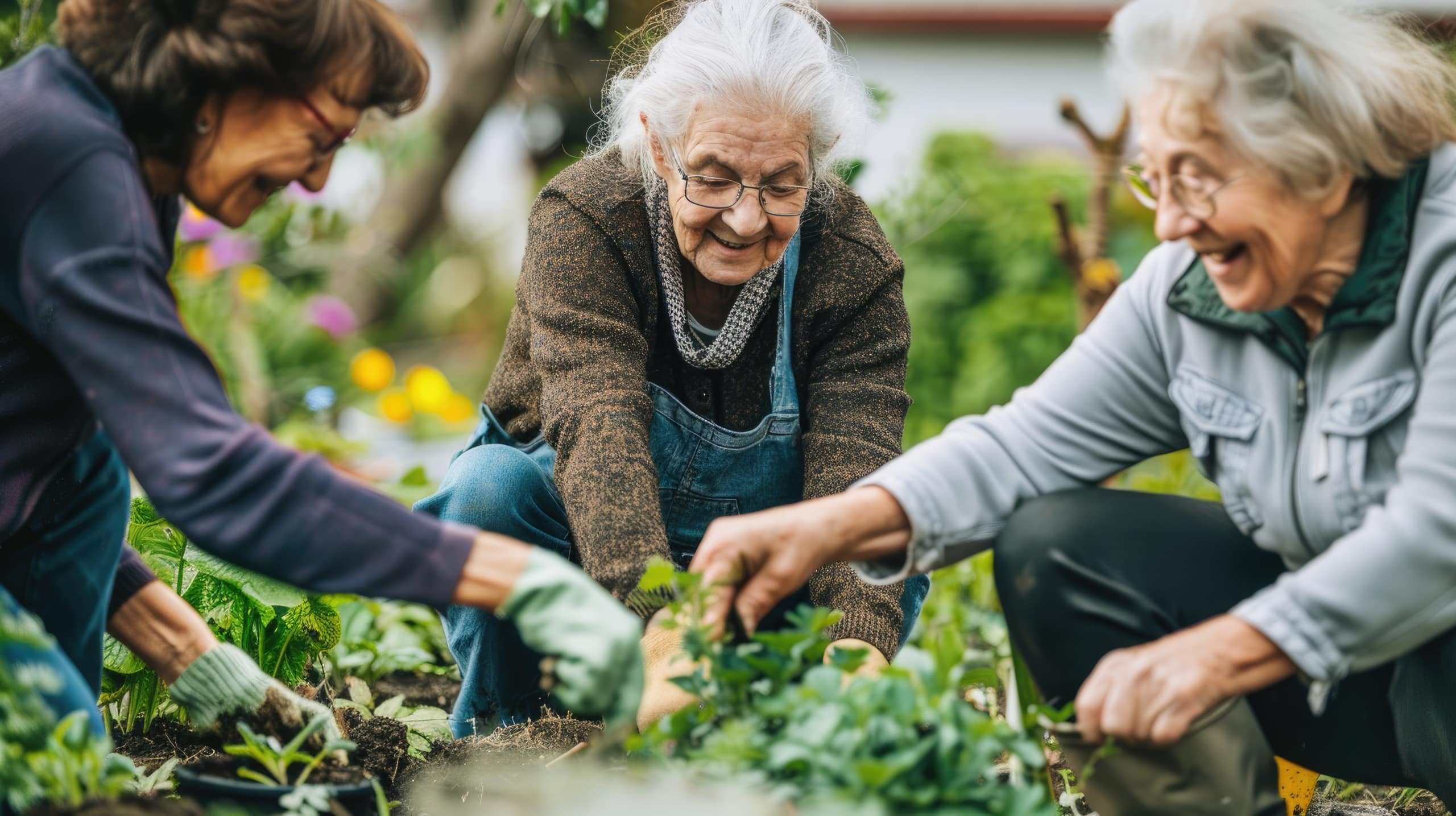
For an older adult, the act of gardening is a complex, multi-layered occupation. It involves physical planning, cognitive sequencing, social interaction, and environmental engagement. When an occupational therapist facilitates a gardening group, they are not just "planting flowers." They are designing a rehabilitation environment that challenges the brain to organize tasks, encourages fine motor control, and provides a social anchor that prevents the cognitive decline associated with loneliness.
Supporting Data: Why Nature Heals
The benefits of gardening extend well beyond the emotional. The physiological impacts are quantifiable and significant:
1. Cognitive Stimulation and Mental Health
The complexity of gardening—planning for the seasons, understanding soil health, and troubleshooting pests—acts as a "cognitive workout." Studies indicate that regular engagement with nature can reduce the risk of dementia by lowering systemic inflammation and reducing the stress hormone cortisol.
2. The Nutritional Advantage
When adults grow their own food, the quality of their diet often improves. Home-grown produce is frequently harvested at peak ripeness, offering a higher nutrient density than grocery store alternatives that have been bred for shelf-stability and transported over thousands of miles. The absence of industrial preservatives and the increase in fiber-rich vegetables create a "win-win" for the immune system.
3. Physical Dexterity and Fine Motor Skills
One of the most overlooked aspects of gardening is its role in physical maintenance. The resistance provided by a hand trowel, the precise motion required to plant delicate seeds, and the balance needed to navigate a garden bed all work to maintain fine motor skills and hand dexterity. These movements prevent the stiffness and atrophy that often accompany sedentary lifestyles.
4. Sunlight and Vitamin D
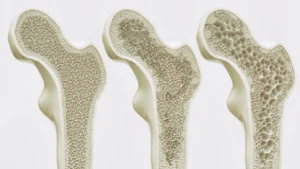
The "sunshine vitamin" is critical for bone health, immune function, and mood regulation. For older adults, who are often at higher risk for Vitamin D deficiency due to decreased skin efficiency, the simple act of spending 15–20 minutes in the garden provides a natural, free, and highly effective way to bolster health.
Official Perspectives: Perspectives on Active Aging
Health organizations, including the National Institute on Aging (NIA), have long advocated for outdoor physical activity as a pillar of healthy aging. The perspective of the medical community has shifted toward "social prescribing," where doctors and therapists formally encourage patients to join clubs, volunteer in community gardens, or participate in outdoor exercise programs.
"The goal is to provide a sense of agency," notes Katie Riley, Vice President of Communications for the Alliance. "When we provide older adults with the tools to cultivate their own environments, we are moving them from a state of passive receipt of care to active participants in their own health journey."
Implications: Building Greener, Healthier Communities
The implications of this research are clear: if we want to improve the quality of life for our aging population, we must prioritize access to green space. This means:
- Urban Planning: Cities must integrate community gardens into the design of housing for older adults.
- Healthcare Policy: Insurance providers and health systems should view community gardening programs as legitimate, reimbursable therapeutic interventions.
- Social Connectivity: We must break down the barriers that prevent older adults from participating in outdoor activities, such as inaccessible terrain or a lack of transportation to community hubs.
Conclusion: A Call to Action this Earth Day
This Earth Day, we encourage everyone—regardless of age—to reconnect with the soil. You do not need a vast acreage to reap these benefits. A small raised bed, a collection of herbs on a windowsill, or participation in a local neighborhood garden club can provide the same psychological and physical rewards.
The research is definitive: Gardening is a potent, accessible, and deeply human activity that grounds us in the present moment. By pulling a weed, snipping a flower, or simply feeling the sun on our backs, we are not just gardening; we are cultivating a longer, happier, and more meaningful life.
For those looking to get started safely, we highly recommend consulting the National Institute on Aging’s guide on safe outdoor recreation. It offers practical advice on hydration, appropriate clothing, and physical pacing, ensuring that your time in the garden is both productive and safe.
Let this April be the start of a new chapter—one where we trade the sedentary nature of modern life for the restorative, life-affirming power of the earth. Whether you are planting your first seed or your thousandth, the garden is waiting.