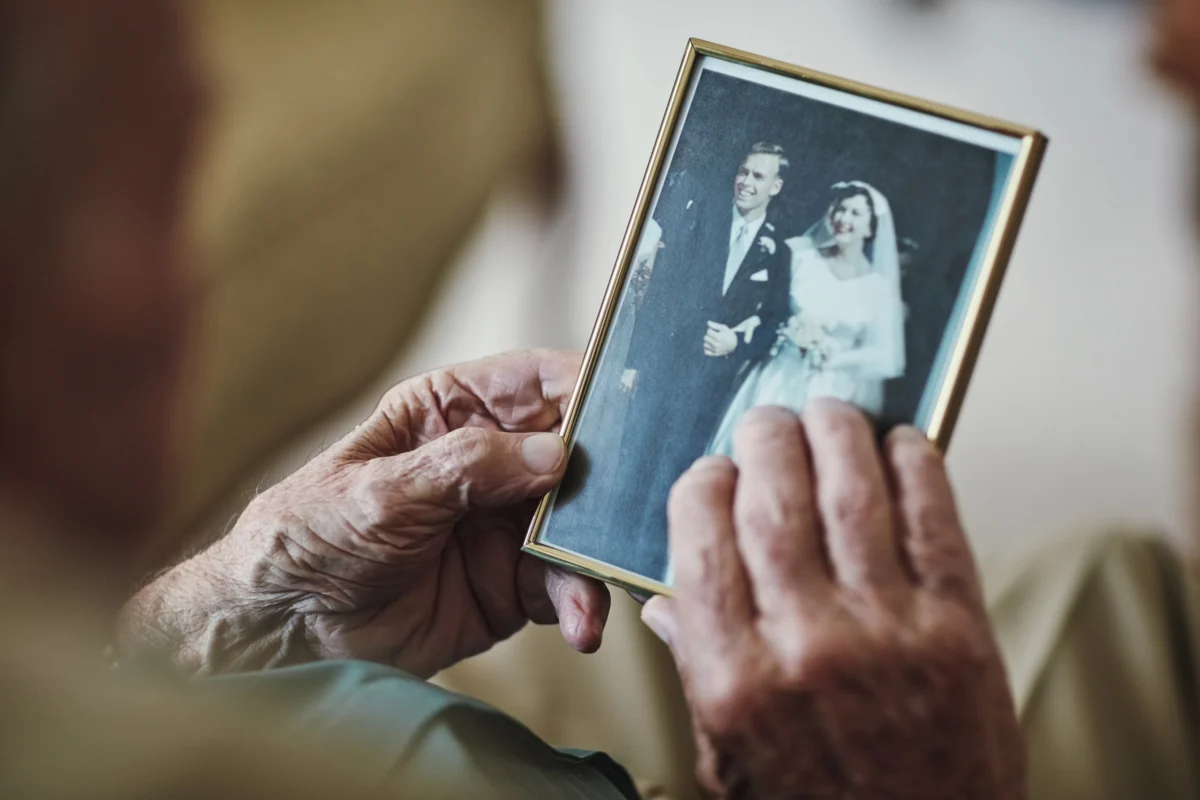
As the calendar turns to May, the United States observes two significant awareness campaigns simultaneously: Older Americans Month and Mental Health Awareness Month. While these observances often run in parallel, their intersection highlights a critical, often overlooked public health crisis—the pervasive issue of loneliness and social isolation among our aging population.
For millions of seniors, the golden years are not characterized by vibrant community engagement or leisurely travel, but rather by the quiet, heavy weight of solitude. As we delve into the intersection of aging and mental health, it becomes clear that loneliness is not merely an emotional state; it is a clinical concern with profound physiological consequences that demand urgent societal attention.
The Scope of the Crisis: Main Facts
According to data provided by the National Institute on Aging (NIA), approximately 25% of adults aged 65 and older are considered socially isolated. Unlike the fleeting feeling of being alone—a universal human experience—chronic social isolation is a state of objective detachment from social networks.
The distinction is vital: one can be alone without feeling lonely, and one can be surrounded by people yet experience profound isolation. For the aging population, this state is frequently exacerbated by the loss of spouses, retirement from lifelong careers, and the physical limitations that come with advanced age. When these life transitions converge, the result is a shrinking social world that can have devastating impacts on both the mind and the body.
A Chronology of Declining Connection
To understand how an individual reaches a state of chronic isolation, one must look at the trajectory of aging in modern society.
Phase 1: The Transition of Retirement
For many, the workplace provides a built-in social ecosystem. Retirement, while often viewed as a reward, frequently strips away the primary structure for daily social interaction. The loss of professional identity and peer interaction often goes unmitigated, leading to the first subtle shifts in social connectivity.
Phase 2: The Physical Mobility Gap
As seniors enter their late 70s and 80s, the "mobility gap" emerges. Changes in health—such as diminished vision, reduced physical stamina, or the loss of the ability to drive—transform simple errands into daunting obstacles. When a senior can no longer easily navigate public transportation or walk through their neighborhood, their world physically contracts.
Phase 3: The Loss of Peer Support
The "grief cycle" of aging involves the incremental loss of lifelong friends and partners. Each loss acts as a severance of a social tie, and for many older adults, the energy required to forge new social connections in later life is increasingly difficult to summon.
Supporting Data: The Biological Toll of Loneliness
The scientific community has moved past the idea that loneliness is purely psychological. Research from the NIA and the broader medical community suggests that social isolation acts as a biological stressor, triggering a cascade of health risks:
- Cardiovascular Disease: Studies have shown that socially isolated seniors have a 29% increased risk of coronary heart disease and a 32% increased risk of stroke.
- Cognitive Decline: Loneliness is strongly correlated with a faster rate of cognitive decline and a 50% increased risk of developing dementia.
- Immune System Dysfunction: Chronic isolation can lead to higher levels of inflammation and a weakened immune response, making older adults more susceptible to infections.
- Mental Health Disorders: The prevalence of depression and anxiety is significantly higher in isolated seniors, creating a cyclical effect where mental health struggles further inhibit the desire to socialize.
These statistics suggest that, in terms of health risk, chronic loneliness is comparable to smoking 15 cigarettes a day or being obese.
Barriers to Connection: Why Seniors Retreat
It is rarely a simple choice for a senior to "get out more." The barriers are often systemic and physical:
Sensory Impairment
Age-related hearing and vision loss are major contributors to social withdrawal. If an individual cannot hear in a crowded room or read a menu, the frustration of these interactions often leads them to choose isolation over the effort of engagement.
Transportation Insecurity
In many parts of the country, the lack of accessible, affordable, and safe transportation options keeps seniors homebound. Without the ability to access community centers, houses of worship, or grocery stores, the home becomes a place of safety but also a place of confinement.
The Digital Divide
While technology is often touted as the solution to isolation, a significant portion of the older population lacks the digital literacy or high-speed access required to bridge the gap through video calls or online social communities.
Official Responses and Strategic Interventions
Addressing this crisis requires a multi-faceted approach involving policy, community infrastructure, and individual advocacy.
The National Institute on Aging (NIA) has spearheaded the development of comprehensive toolkits aimed at helping older adults stay connected. These resources provide strategies for seniors to re-engage with their communities, including:
- Intergenerational Programming: Encouraging programs that pair seniors with youth to share history and skills, which fosters a sense of purpose.
- Transportation Partnerships: Working with municipal governments to prioritize senior-friendly transit options.
- Community Health Screenings: Integrating mental health and social support assessments into routine physical exams.
Furthermore, the Eldercare Locator, a public service of the U.S. Administration on Community Living (ACL), serves as a critical bridge. By connecting older adults and their families with local support services—ranging from meal delivery and transportation to social activity centers—the locator ensures that help is not just available, but accessible.
Implications for the Future
The aging population is growing at an unprecedented rate. If we do not address the social determinants of health that lead to loneliness, the burden on our healthcare system will be insurmountable.
The Need for a Social Infrastructure
We must rethink urban planning and community design. Cities need to be "age-friendly," with walkable neighborhoods, accessible public spaces, and social programs that treat connection as a vital service, not an optional amenity.
Redefining the Role of Healthcare Providers
Physicians and caregivers must transition from viewing health purely through a clinical lens to incorporating "social prescribing." This involves asking patients about their social lives during check-ups and writing "prescriptions" for community groups, volunteer activities, or senior centers.
The Role of the Family and Community
Individual accountability remains the cornerstone of change. Checking in on an aging neighbor, facilitating transportation for an elderly relative, or simply providing the technology—and the patience—to teach a senior how to use a digital device can be life-saving.
Conclusion: A Call to Action
As we conclude Older Americans Month, we must recognize that the responsibility to combat loneliness is shared. It belongs to policymakers, healthcare providers, neighbors, and families.
Loneliness in old age is not an inevitable aspect of the human condition; it is a structural failure of our modern society. By acknowledging the data, understanding the physical and emotional risks, and utilizing the resources provided by organizations like the NIA and the Eldercare Locator, we can begin to tear down the walls of isolation.
The goal is not simply to help seniors live longer, but to ensure that those added years are filled with the richness of human connection. Every effort to reach out, to include, and to listen to our older citizens is a step toward a healthier, more compassionate society. As Katie Riley of the Alliance notes, the tools are there; it is now up to the community to implement them.
For those seeking assistance or wanting to learn more, visit the Eldercare Locator or consult the NIA’s resources on staying connected.