Introduction: A System at a Crossroads
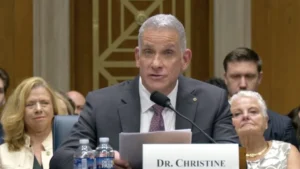
The U.S. healthcare landscape is undergoing a structural transformation that threatens the viability of independent medical practice and, by extension, the affordability of care for millions of Americans. During a high-stakes hearing before the House Energy and Commerce Subcommittee this week, federal lawmakers confronted a sobering reality: the very mechanism designed to sustain the nation’s physician workforce—the Medicare Physician Fee Schedule—may be the primary engine driving hospital consolidation and ballooning healthcare costs.
As inflation erodes the purchasing power of medical practices and administrative burdens mount, independent physicians are increasingly seeking the safety net of large hospital systems. While this transition offers stability to individual practitioners, it is creating a market environment defined by decreased competition and higher prices for taxpayers. With healthcare affordability remaining a top-tier concern for voters, both sides of the aisle are now signaling an urgent, bipartisan desire to overhaul the current reimbursement model before the independent physician becomes a relic of the past.
The Chronology of a Crisis
The current legislative focus is the culmination of two decades of fiscal policy that has failed to keep pace with the economic realities of modern medicine.
- 2001–2025: The period of decline. According to data from the American Medical Association (AMA), Medicare physician payments have plummeted by 33% when adjusted for inflation. During this same window, the cost of staffing, technology, and clinical operations has risen sharply.
- 2012: A turning point in market structure. At this time, approximately 30% of U.S. physicians were affiliated with or employed by hospital systems.
- 2024: The new normal. That figure has jumped to 47%, representing a massive shift toward institutionalized care.
- January 2026: A series of congressional hearings began, focusing on the role of insurance executives, pharmaceutical giants, and hospital systems in driving up national healthcare spending.
- Wednesday’s Hearing: Lawmakers moved beyond blaming specific actors to scrutinize the systemic incentives inherent in Medicare’s payment architecture, focusing on how budget neutrality and fee-for-service designs are inadvertently forcing consolidation.
Supporting Data: The Economics of Consolidation
The evidence presented to the subcommittee paints a stark picture of a market losing its competitive edge. The shift toward hospital-based employment is not merely a change in administrative structure; it is a fundamental shift in how services are priced and delivered.
The Inflation Gap
The most glaring statistic cited by experts is the 33% decline in real-dollar compensation for physicians over the last 24 years. While most sectors of the economy adjust for inflationary pressures, the Medicare Fee Schedule remains largely stagnant, forcing private practices to operate on razor-thin margins. When a practice can no longer afford to maintain electronic health records, professional liability insurance, and competitive staff wages, acquisition by a health system becomes an existential necessity rather than a strategic choice.
The Cost of Consolidation
Perhaps the most damaging revelation for taxpayers is the "site-of-service" price differential. Research consistently indicates that when a hospital system acquires an independent practice, the price of the same procedures often rises significantly—without a measurable increase in clinical quality.
Dr. Rick Snyder, president of the Texas-based HeartPlace, provided a concrete example during his testimony. He noted that Medicare spending on two standard cardiovascular tests would skyrocket by more than $25 million annually if his specific practice were absorbed by a large health system. This "hidden" tax on the Medicare program is a direct result of institutional billing practices that independent offices cannot—and do not—utilize.
Official Responses: Bipartisan Recognition of the Crisis
Unlike the heated, often antagonistic hearings that characterized earlier sessions—where lawmakers famously lambasted insurance CEOs for prioritizing profits over patient access—Wednesday’s dialogue was marked by a rare, bipartisan consensus.
Rep. Diana DeGette (D-Colo.), the ranking member of the health subcommittee, framed the issue as a "growing national crisis" that transcends partisan divides. Her sentiment was echoed by Rep. Kim Schrier (D-Wash.), who emphasized that "making sure that independent physician practices stay open is one of the most critical ways we can ensure competition and drive down costs."
Republican leadership also expressed alarm. Rep. Morgan Griffith (R-Va.), chair of the subcommittee, pointed directly to the "budget neutrality" requirement of the fee schedule. This rule forces the government to offset any increase in one area of medicine with a decrease in another, essentially pitting specialties against one another in a zero-sum game for funding. Rep. Buddy Carter (R-Ga.) added that the current rate of consolidation is "getting out of control" and warned that if left unchecked, it would hollow out the physician-led care model entirely.
The Primary Care Dilemma
The hearing also illuminated a critical failure in how the U.S. incentivizes medical career paths. While the nation faces a looming shortage of primary care providers, the current fee schedule favors high-complexity, high-reimbursement surgical and diagnostic specialties.
The Disincentive for New Doctors
Dr. William Fox, chair emeritus of the American College of Physicians, testified that medical students are acutely aware of the "reimbursement gap." He noted that young doctors, burdened by significant medical school debt, are rationally choosing more lucrative specialties over primary care.
"You’ll talk to medical school students, and you’ll ask them, ‘What kind of doctor do you want to be?’" said Rep. Marc Veasey (D-Texas). "And they quickly learn that primary care physicians are reimbursed at a far lower rate than other specialties. Over the course of their career, that can mean millions of dollars in lost earnings."
The Failure of Episodic Care
The current system is designed to pay for discrete, episodic "transactions" rather than longitudinal, preventative care. While the Centers for Medicare & Medicaid Services (CMS) has introduced new billing codes for "advanced primary care management," these initiatives have faced significant hurdles. Because these services are also subject to budget neutrality, their implementation often forces cuts elsewhere, and because they are not categorized as "preventative," patients are often left with significant out-of-pocket cost-sharing requirements, which deters them from seeking the very care that would save the system money in the long run.
Implications for the Future
The implications of these hearings are profound. If Congress fails to act, the trend toward consolidation will likely continue, further eroding the independent medical sector and leading to higher costs for both Medicare and private health insurance premiums.
Potential Legislative Solutions
Witnesses and lawmakers identified three primary levers for reform:
- Inflationary Indexing: Tying annual Medicare physician pay adjustments to the Medicare Economic Index (MEI), a move supported by the Medicare Payment Advisory Commission (MedPAC).
- Ending Budget Neutrality: Eliminating the requirement that all payment adjustments must be budget-neutral. This would allow for targeted increases in primary care and rural health without triggering automatic cuts to other essential services.
- Value-Based Payment Models: Shifting the focus from fee-for-service to models that reward outcomes and long-term patient health, particularly for chronic condition management.
The Path Forward
The road to reform will not be easy. Any shift in how Medicare distributes funds will create winners and losers among various medical specialties. However, the testimony heard by the Energy and Commerce subcommittee suggests that the status quo is becoming politically and fiscally untenable.
As Congress looks toward the next session, the pressure to deliver on "healthcare affordability" will remain a central theme. For the independent physician, the upcoming legislative cycle may represent the last best chance to preserve a model of care that is competitive, patient-centered, and sustainable. The consensus is clear: the current system is not working, and the cost of inaction is a healthcare landscape that is increasingly expensive, consolidated, and disconnected from the needs of the patient.