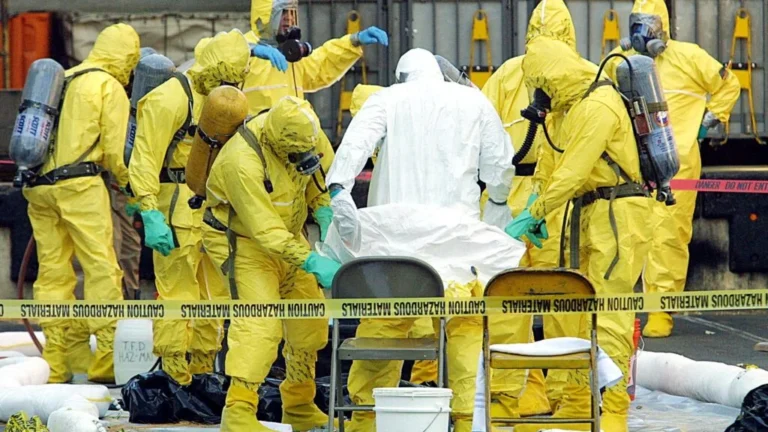











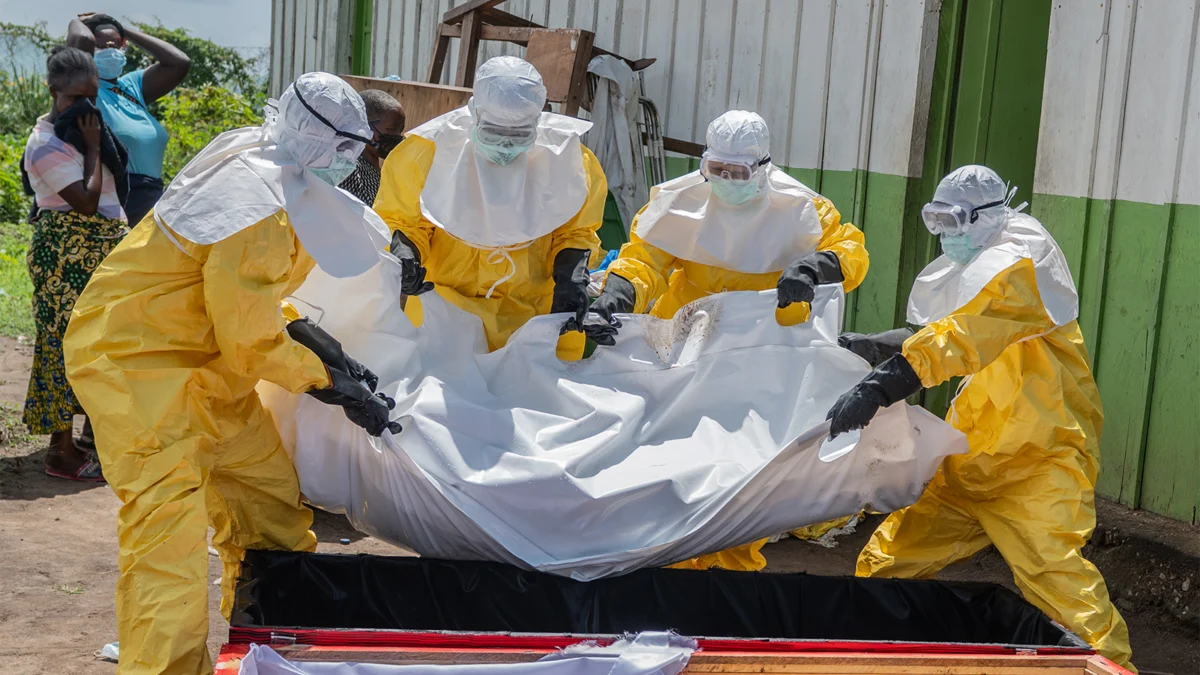
The World Health Organization (WHO) has officially declared the current Ebola outbreak in the Democratic Republic of the Congo (DRC) and neighboring Uganda a "public health emergency of international concern." As the death toll surpasses 130 and suspected cases approach 600, global health experts are sounding the alarm. This crisis is compounded by a biological hurdle: the outbreak is being driven by the Bundibugyo virus, a rare and particularly elusive strain of Ebola for which there is currently no approved vaccine or specific medical treatment.
Health officials have admitted that the virus likely began circulating weeks, if not months, before it was identified. The delay in diagnosis, caused by initial misidentification, has robbed responders of critical time, allowing the virus to establish a foothold in both rural gold-mining towns and urban centers.
The Silent Origin: A Chronology of the Crisis
The trajectory of this outbreak highlights the dangers of diagnostic lag and the rapid transmission potential of hemorrhagic fevers in high-density areas.
Late April: The Initial Miss
The first known spark occurred in Bunia, the capital of Ituri Province in northeastern Congo. On April 24, a local health worker fell ill and subsequently died. Conflicting reports from regional health authorities—with some citing April 24 and others April 27 as the date of death—suggest a chaotic early response period. Following the health worker’s death, their remains were transported to the nearby gold-mining hub of Mongbwalu. Given that the bodies of Ebola victims remain highly infectious, this transport is now viewed by epidemiologists as a "superspreader" event that seeded the virus into a new, vulnerable population.
Early May: Diagnostic Frustration
By April 30, field tests in Bunia returned negative results for the Zaire ebolavirus—the most common strain previously seen in the DRC. This false sense of security allowed the virus to circulate undetected for another two weeks. It was not until May 15 that laboratory analysis in Kinshasa identified the culprit as the Bundibugyo virus.
By May 5, the WHO was alerted to a "high-mortality" event in Mongbwalu. Local reports indicated that approximately 50 people had already succumbed to an "unknown illness." Because the virus was not immediately recognized as Ebola, standard containment protocols were not effectively implemented, allowing the pathogen to move toward the Ugandan border.
Mid-May: Cross-Border Escalation
On May 11, a 59-year-old Congolese man presented at a hospital in Kampala, Uganda, exhibiting classic symptoms: high fever and severe body aches. His death on May 14 and subsequent positive test for the Bundibugyo virus confirmed the international reach of the outbreak. On May 18, the crisis hit a new milestone when an American physician, who had been treating patients in Bunia, was confirmed positive for the virus and subsequently evacuated to Germany.
Supporting Data: Why This Strain is Different
Ebola is not a single disease, but a family of viruses. The WHO recognizes three major species responsible for large-scale outbreaks: the Ebola virus (Zaire), the Sudan virus, and the Bundibugyo virus.
The Bundibugyo strain was first identified during an outbreak in Uganda in 2007-2008. While it shares many clinical features with the Zaire strain—including fever, fatigue, muscle pain, and severe internal and external bleeding—the epidemiological data for Bundibugyo is much thinner.
- Vaccine Gap: Unlike the Zaire strain, for which effective vaccines exist and were deployed during recent outbreaks in the DRC, there is no licensed vaccine for Bundibugyo.
- Treatment Limitations: Current therapeutic protocols, such as monoclonal antibodies, are highly strain-specific. These treatments, which have saved lives in previous Zaire outbreaks, are ineffective against Bundibugyo.
- Prognosis: Experts at the WHO have indicated that a viable vaccine candidate is at least 6 to 9 months away from development, leaving healthcare workers to rely solely on supportive care, such as fluid resuscitation and symptom management, to keep patients alive.
Official Responses and Strategic Challenges
The WHO’s decision to label this a public health emergency of international concern is a strategic move designed to unlock international funding and coordinate a unified response. However, WHO Director-General Dr. Tedros Adhanom Ghebreyesus has been candid about the gravity of the situation.
"We are deeply concerned about the scale and speed of this outbreak," Dr. Tedros stated on May 19. "The fact that cases are emerging in populated urban areas, combined with the unfortunate deaths of frontline health workers and the constant movement of people across porous borders, creates a perfect storm for transmission."
The "Silent" Caseload
Authorities warn that the current figures—130 deaths and 600 suspected cases—are likely a significant undercount. In remote, conflict-prone regions like Ituri, the "true" number of infections is often masked by lack of testing infrastructure and the tendency of families to bury their dead before they can be screened by health officials.
The Border Strategy
In a departure from the extreme lockdowns seen during the COVID-19 pandemic, the WHO has explicitly advised countries against closing borders. Instead, the agency is pushing for "enhanced surveillance." The goal is to train border health workers to screen for symptoms and manage potential cases without stifling the essential movement of goods and people, which could lead to further economic instability in an already fragile region.
Implications: A Fragile Future
The emergence of a Bundibugyo outbreak at this scale poses profound implications for global health security.
1. The Erosion of Trust
The delay in initial diagnosis has damaged trust between local communities and health authorities. When a community sees health workers dying or being evacuated to Europe while their own family members lack access to specialized care, it can lead to hostility toward medical teams. This "trust deficit" is perhaps the most significant barrier to effective contact tracing.
2. The Infrastructure Crisis
The outbreak is concentrated in areas where healthcare infrastructure is already strained by regional conflicts and poverty. The need for advanced personal protective equipment (PPE), isolation wards, and specialized training for local staff is immediate. Without a massive influx of international aid, the death toll is expected to climb significantly.
3. A Call for Scientific Innovation
This outbreak serves as a stark reminder of the "neglected" nature of certain viral strains. The global pharmaceutical industry has prioritized vaccines for the Zaire strain due to its higher frequency of outbreaks. This current crisis highlights the urgent need for a "pan-Ebolavirus" vaccine or a more robust, flexible diagnostic and treatment platform that can pivot across different viral strains.
4. The Human Toll
Beyond the statistics, the human impact is devastating. The death of the American doctor and the mounting number of Congolese healthcare workers illustrate that the people tasked with fighting the virus are currently the most at-risk. Protecting the workforce is now the highest priority for the WHO and the Africa CDC.
Conclusion: The Path Forward
As of late May, the situation remains fluid. The focus has shifted from containment to mitigation. International health agencies are scrambling to establish mobile laboratories, secure treatment centers, and increase public awareness in the affected zones.
The Bundibugyo outbreak is a sobering reminder that infectious diseases do not wait for researchers to develop the perfect tool. The challenge ahead is not only medical but societal. It requires a sustained, transparent, and international commitment to support the DRC and Uganda, ensuring that the necessary resources reach the most vulnerable, and that the history of this outbreak does not become a story of missed opportunities and avoidable tragedy. The world is watching, but for those on the ground in Ituri, the response must be faster, stronger, and more unified than ever before.