








As the United States continues to struggle with a burgeoning youth mental health crisis, the Campus Lifeline Act aims to bridge the gap between students in distress and the life-saving resources available to them. By mandating the inclusion of the 988 Suicide & Crisis Lifeline on student identification cards and increasing federal investment in youth-informed strategies, the bill attempts to normalize mental health support as a standard component of the American collegiate experience.
A Decade in the Making: The Chronology of Student-Led Advocacy
The journey of the Campus Lifeline Act did not begin in the halls of Congress, but rather in a dormitory at the University of Dayton a decade ago. Ten years ago, a student-led initiative within an Active Minds chapter proposed a simple yet radical idea: placing crisis hotline numbers on the back of every student ID card. The logic was straightforward—if a student is in a moment of acute distress, they should not have to search through a website or a handbook to find help; the lifeline should be as accessible as their library card.
What began as a grassroots effort quickly gained momentum, spreading to other campuses and eventually catching the attention of federal lawmakers. On May 4, that decade-long effort culminated in the formal introduction of House Bill 8657. The legislation is led by a bipartisan quartet of representatives: Erin Houchin (R-IN), Lori Trahan (D-MA), David Valadao (R-CA), and Mark Pocan (D-WI).
The bipartisan nature of the bill underscores the universal urgency of the issue. Mental health has emerged as one of the few areas of policy where cross-aisle cooperation remains robust, driven by alarming statistics regarding youth suicide and the clear demand from Gen Z and Millennial constituents for systemic reform.
Strengthening the Safety Net: Core Provisions of the Act
The Campus Lifeline Act focuses on two primary pillars designed to move the needle on youth mental health outcomes:
1. Universal Visibility of the 988 Lifeline
The bill requires that all newly issued student identification cards for higher education institutions include the 988 Suicide & Crisis Lifeline. Since its transition to a three-digit code in 2022, the 988 Lifeline has become the gold standard for crisis intervention. By embedding this number into the physical and digital infrastructure of campus life, the bill ensures that support is always within arm’s reach.
2. Federal Investment in Youth-Informed Strategies
Beyond mere visibility, the act calls for increased federal appropriations to support mental health strategies that are designed "by youth, for youth." This includes funding for peer support programs, early intervention training, and campus-wide education initiatives. The goal is to move away from a purely reactive "crisis-only" model toward a preventative framework that addresses mental health symptoms before they escalate.
The Data Behind the Crisis: Why Now?
The introduction of this bill comes at a time when the data regarding youth mental health is both sobering and, in some respects, cautiously optimistic. According to the Centers for Disease Control and Prevention (CDC), suicide remains the second leading cause of death among young people in the United States aged 10 to 34. Globally, it is the third leading cause of death for those aged 15 to 29.
Recent studies, however, suggest that increased access to crisis lines is having a measurable impact. A study recently published in the Journal of the American Medical Association (JAMA) found an estimated 11% decline in youth suicide deaths following the nationwide launch of the 988 Lifeline. This translates to thousands of lives saved, providing a powerful proof-of-concept for the Campus Lifeline Act.
Despite these gains, the "treatment gap" remains a chasm. Data from the 2024-2025 Healthy Minds Study reveals that 32% of youth report struggling with anxiety and 37% report depression. Yet, approximately 67% of young adults with mental health symptoms do not receive professional treatment. Furthermore, fewer than 20% of youth with diagnosable conditions are currently supported by existing campus systems.
One of the most striking findings in recent advocacy research is the "Friend-First" phenomenon. Active Minds reports that 67% of youth say they would turn to a friend first when struggling, rather than a counselor or parent. This effectively makes students the "de facto" mental health system on campus. However, nearly 70% of these same students report that they do not feel equipped or trained to handle such situations. The Campus Lifeline Act seeks to resource these students so they are no longer navigating these crises in the dark.
Official Responses: Voices from the Hill and the Front Lines
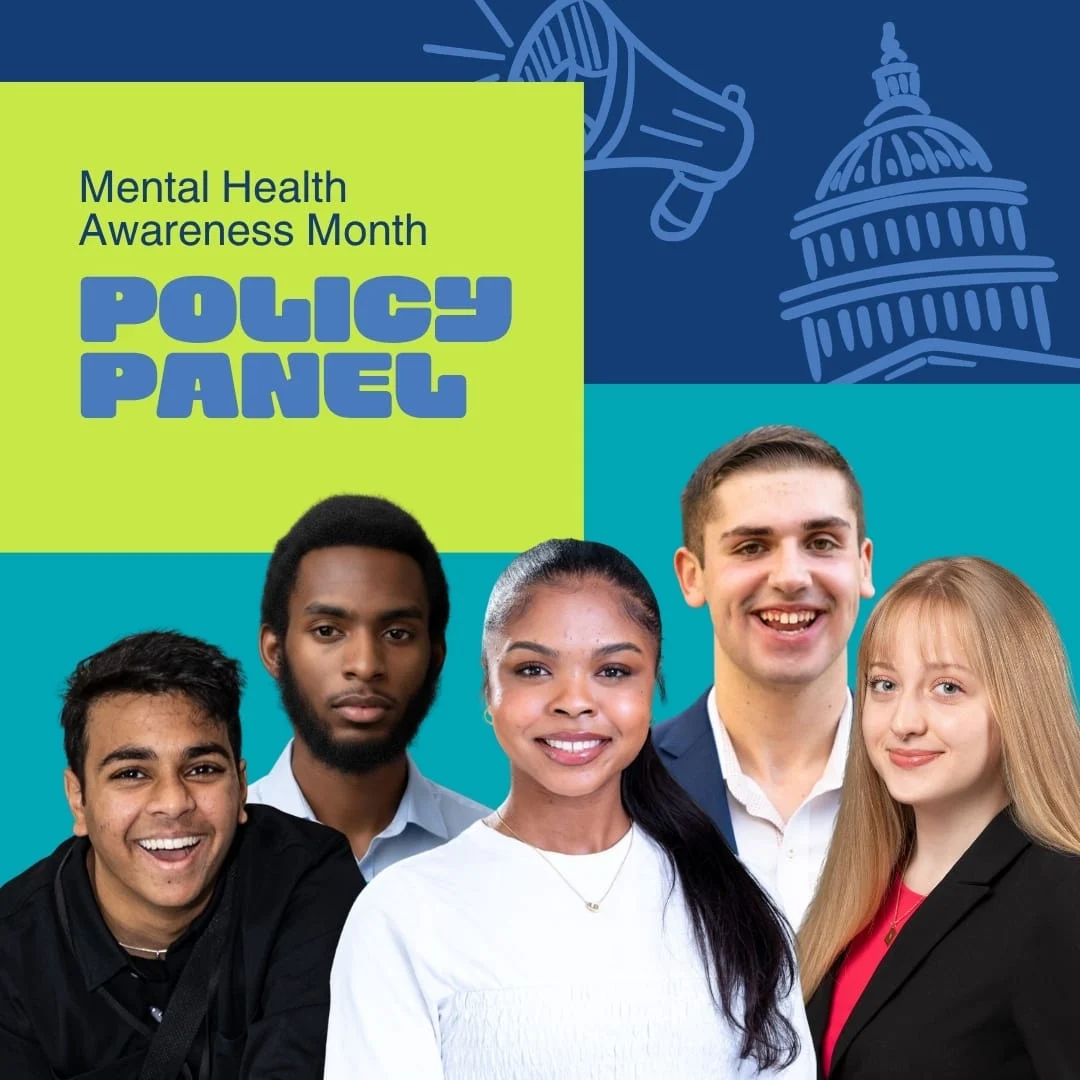
Lawmakers and advocates gathered this week for a congressional briefing titled “Advancing 988 and Peer Support: Youth Voices Take the Lead on Capitol Hill.” The event served as a platform for both policy experts and students to emphasize the necessity of the bill.
"We have a responsibility to make sure young people know where to turn in a moment of crisis," said Representative Erin Houchin (R-IN). "During Youth Mental Health Awareness Week, I’m proud to introduce the Campus Lifeline Act to expand access to the 988 Lifeline and strengthen support on campuses. It’s our goal to make sure every young person knows help is available."
Congresswoman Lori Trahan (D-MA), who previously led the Garrett Lee Smith Reauthorization Act, noted that this bill is a natural evolution of suicide prevention efforts. "By leveraging the reach of the 988 Suicide & Crisis Lifeline, we can connect more teens and young adults with the support they need… and reach more young people before a crisis becomes a tragedy," she stated.
Alison Malmon, the Founder and Executive Director of Active Minds, highlighted the shift in leadership. "Youth and young adults are championing a new era of mental health on the front lines, yet our system still waits for crisis," Malmon said. "That’s why policies like the Campus Lifeline Act matter—they reflect solutions youth and young adults are already designing and leading."
The briefing also featured student advocates like Carson Domey, who provided a grounded perspective on the student experience. "For most youth, support doesn’t start with a professional—it starts with a friend," Domey said. "Expanding access to resources like 988 and making them visible in everyday spaces is a simple step that can make a life-saving difference."
Implications: A Paradigm Shift in Campus Care
The introduction of the Campus Lifeline Act signals a broader shift in the national approach to mental health—a move from "awareness" to "systemic integration." For decades, mental health on campus was treated as an auxiliary service, often siloed in underfunded counseling centers with long waitlists.
If passed, this legislation would represent a move toward "passive intervention." By placing the 988 number on ID cards, colleges are essentially providing a constant, silent reminder that help is available, reducing the stigma associated with seeking care. It also acknowledges the reality of the "transitional age"—the period between 18 and 24 when 75% of mental health conditions first emerge.
Furthermore, the bill coincides with the launch of Active Minds’ "We Mind" campaign. This national movement is designed to empower youth to see themselves not just as recipients of care, but as architects of the system. The campaign emphasizes that when youth unite around mental health, they become a political and social force that cannot be ignored.
Anika Rahman, Director of Policy at Active Minds, emphasized that the bill is a testament to the power of lived experience. "Youth-informed policy is not only powerful, it’s necessary," Rahman said. "What began as a youth-led initiative to place 988 on the back of student ID cards has now grown into federal legislation with the potential to create nationwide change."
Conclusion: The Road Ahead
While the introduction of the Campus Lifeline Act is a historic milestone, its journey through the legislative process is just beginning. Advocates argue that the bill’s bipartisan support and its reliance on proven data (such as the JAMA study) provide a strong tailwind for its passage.
As colleges and universities prepare for upcoming academic years, the pressure to address the mental health crisis has never been higher. The Campus Lifeline Act offers a blueprint for a future where mental health support is not a temporary luxury or a reactive measure, but a foundational right for every student in America.
By integrating the 988 Lifeline into the very fabric of student identity, the United States is taking a significant step toward a culture where no young person has to face a mental health crisis alone. The message from Capitol Hill is clear: help is available, it is accessible, and most importantly, it is being led by the very people who need it most.