






In recent years, a new, pervasive narrative has taken root in social media circles, wellness podcasts, and digital health forums: the idea that perimenopause is a chaotic, life-altering condition that serves as the root cause for virtually every symptom a woman in her 30s or 40s might experience. From brain fog and weight gain to hair loss and insomnia, the "perimenopause awareness movement" has framed the transition as a state of crisis.
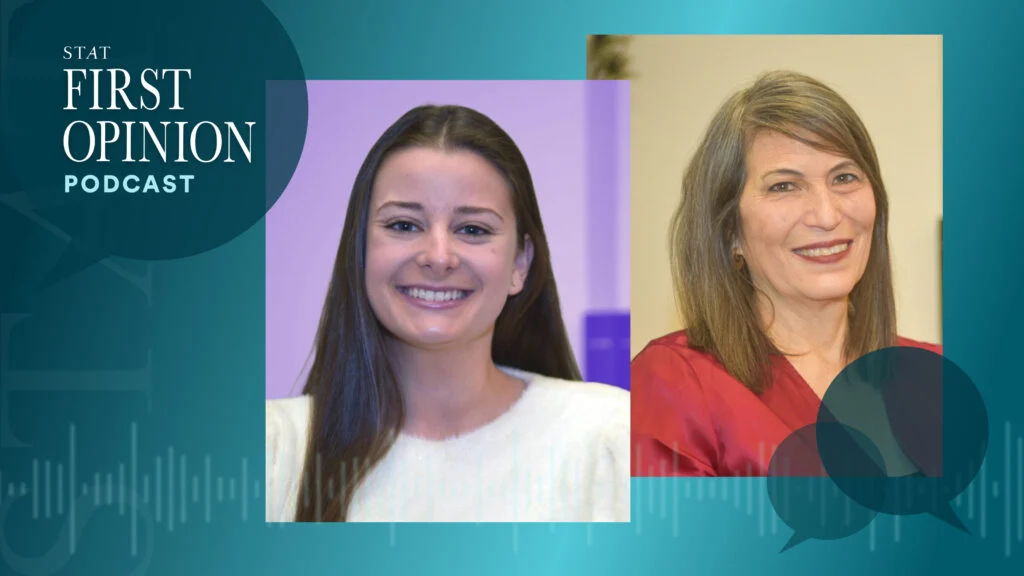
However, as the conversation reaches a fever pitch, experts are warning that the medicalization of this natural life stage may be doing more harm than good. A recent episode of the First Opinion Podcast, hosted by Torie Bosch, featured an in-depth conversation with Patricia Bencivenga and Dr. Adriane Fugh-Berman of Georgetown University’s Pharmed Out—a project dedicated to exposing the influence of pharmaceutical marketing on medical practice. Their message is clear: while women’s experiences of midlife are valid, the current trend of pinning every woe on "hormonal imbalance" risks pathologizing normal aging and exposes women to unnecessary, unproven, and potentially harmful interventions.
The Main Facts: Defining the “Squidgy” Transition
At the heart of the confusion is a fundamental lack of consensus on what perimenopause actually is. Dr. Adriane Fugh-Berman, a professor at Georgetown University Medical Center, notes that the definition is notoriously "squidgy."
"‘Peri’ just means ‘around,’" Fugh-Berman explains. While it typically refers to the years immediately preceding menopause, the window has expanded in popular discourse, with some influencers suggesting it begins as early as the 30s. Clinically, the only symptoms definitively linked to the hormonal shifts of this period are vasomotor symptoms—specifically hot flashes and night sweats—and vaginal dryness.
The concern raised by Bencivenga and Fugh-Berman is that the current cultural narrative is broadening the list of symptoms to include almost anything, from fatigue to professional burnout. By doing so, the medical community and the wellness industry are potentially ignoring underlying, more serious health issues by creating a catch-all diagnosis that encourages women to "blame their hormones" rather than investigate the systemic causes of their discomfort.
A Chronology of Medicalization
The current obsession with perimenopause did not emerge in a vacuum; it is the latest chapter in a decades-long struggle over how women’s bodies are viewed by the medical establishment.
- The 1960s–1990s: Hormonal therapy was heavily marketed as a "fountain of youth" for women, promising to stave off the effects of aging.
- The 2002 Landmark Study: The Women’s Health Initiative (WHI), a massive, federally funded study, delivered a shock to the medical system. It revealed that for many, the risks of hormone replacement therapy (HRT)—including increased risks of breast cancer, stroke, and pulmonary embolism—outweighed the benefits. Millions of women discontinued hormone use shortly thereafter, leading to a measurable, global decline in breast cancer rates.
- The 2020s Surge: Following a period of relative caution, a new, decentralized industry has emerged. Telehealth startups, compounding pharmacies, and social media influencers have begun aggressively marketing supplements, compounded hormones, and "menopause-specific" lifestyle products.
- 2023–Present: Google search trends show an exponential spike in interest regarding perimenopause, coinciding with the rise of documentaries and viral social media content that often frame menopause and its precursors as a medical emergency requiring aggressive management.
Supporting Data and the "Influence" Economy
The rise of the perimenopause industry is characterized by a sophisticated, multi-pronged marketing approach. Unlike the monolithic pharmaceutical campaigns of the 90s, today’s landscape is fragmented. It involves a mix of direct-to-consumer telehealth companies, influencers selling supplements, and "experts" promoting specialized workouts and wellness regimes.
Bencivenga points to the danger of this "all-inclusive" diagnosis: the potential for delayed diagnosis of serious illness. She highlights a poignant example from the Wall Street Journal, where a woman’s persistent, itchy skin—a symptom she was told was likely just "perimenopause"—turned out to be cancer.
Furthermore, the data regarding the efficacy of many of these interventions remains thin. Fugh-Berman emphasizes that the pharmaceutical industry has a history of ghostwriting medical literature to sway physician opinion. "They don’t just control information on drugs," she explains, "they control information on diseases." By shaping the perception that midlife is a time of hormonal "deficiency," companies create a captive market for products that lack robust, independent clinical evidence.
Official Responses and the "Empowerment" Model
The debate has drawn criticism from within the medical community, particularly regarding the role of government oversight. The recent FDA decision to remove "black box" warnings from hormone therapy labels has been met with both celebration by some practitioners and alarm by researchers like Fugh-Berman.
The political framing of hormone therapy has also become highly polarized. When public figures—including some former health commissioners—claim that hormone therapy has "saved marriages" or "prevented children from going without a mother," researchers warn that we are witnessing a return to the highly emotive, non-evidence-based marketing of the 1990s.
Instead of an intervention-heavy approach, Bencivenga advocates for the "empowerment model of menopause," championed by researchers like Martha Hickey. This model focuses on providing women with accurate information about the natural aging process, emphasizing lifestyle modifications—such as smoking cessation and reducing alcohol intake—rather than the immediate leap to pharmaceutical or supplemental intervention.
The Implications: Why It Matters
The implications of this cultural shift are profound. By framing women as "victims" of their hormones, we risk stripping them of their agency. As Bencivenga notes, women have been labeled as "erratic" or "unstable" due to their biological cycles for centuries. This new movement, while ostensibly intended to help women, may inadvertently reinforce the trope that a woman’s physical and mental stability is perpetually at the mercy of her endocrine system.
1. The Risk of Diagnostic Overshadowing
The most immediate danger is diagnostic overshadowing. When every symptom is attributed to perimenopause, both the patient and the physician may stop searching for other, potentially life-threatening causes of the patient’s complaints.
2. The Financial and Physical Burden
The "perimenopause industry" represents a significant financial drain on consumers. From expensive, unverified supplements to compounded hormones that lack the regulatory oversight of FDA-approved medications, women are spending vast sums of money on products that may offer no real clinical benefit.
3. The Erosion of Medical Literacy
The success of documentaries and social media campaigns in bypassing traditional scientific rigor—and even obtaining "continuing medical education" (CME) accreditation for misinformation—signals a dangerous erosion of medical literacy. When official institutions validate scientifically flimsy claims, it becomes increasingly difficult for the average patient to discern between evidence-based medicine and marketing-driven hype.
Conclusion: A Call for Critical Engagement
The conversation around perimenopause is, at its core, a conversation about how we view the aging female body. While it is undoubtedly true that midlife is a period of transition that can involve genuine discomfort, the solution is not necessarily to "fix" the body with hormones or expensive elixirs.
"We’re kind of in uncharted territory," Bencivenga warns, noting that we are substituting wishful thinking for actual data. The path forward requires a more skeptical engagement with the information we consume. It demands that we distinguish between the normal, albeit difficult, stages of life and those that require medical intervention. Most importantly, it requires us to view midlife not as a period of inevitable decay or hormonal chaos, but as a normal, manageable, and natural chapter of life.
As the dialogue continues, the best defense against misinformation is a return to the evidence: prioritizing health literacy, questioning the financial incentives of those providing "solutions," and refusing to let the natural aging process be branded as a disease.