











In an era dominated by radical dietary interventions—from liquid-only juice cleanses that promise rapid detoxification to multi-day water fasts that leave the body craving essential nutrients—the search for a sustainable approach to long-term health often feels like a moving target. However, amidst the noise of modern "biohacking" and restrictive fad diets, one ancient practice has emerged as a beacon of longevity and balanced living: Hara Hachi Bu.
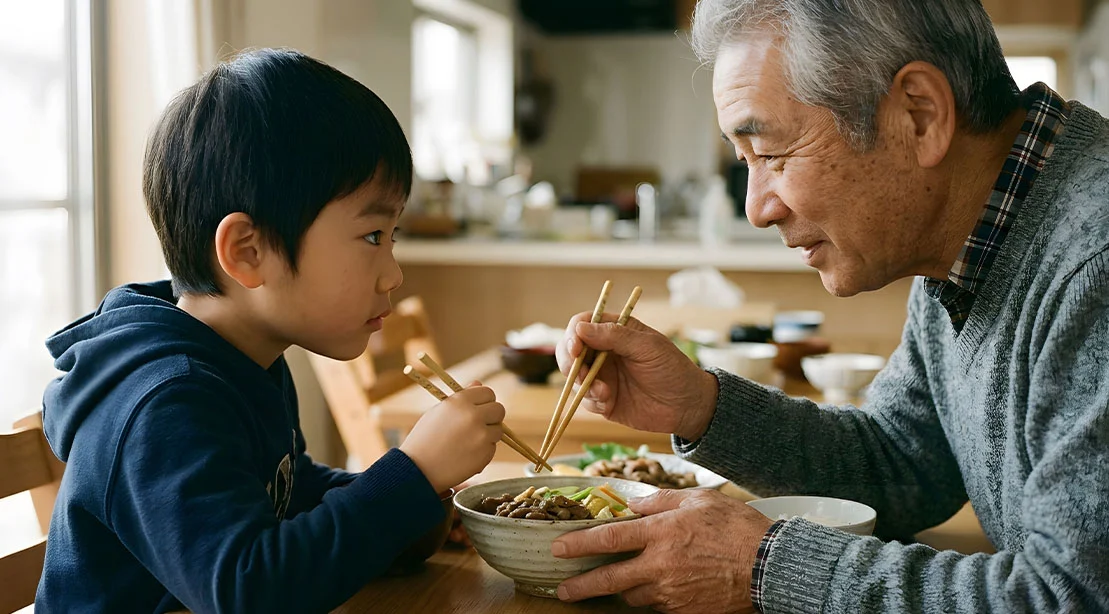
Originating from the Okinawan islands of Japan, the philosophy of Hara Hachi Bu—which translates roughly to "eat until you are eight parts full"—is not a diet in the traditional sense. It is a behavioral blueprint for consumption. By shifting the focus from caloric mathematics to internal satiety signals, this practice offers a path to weight management that permits the enjoyment of favorite foods while simultaneously promoting a longer, disease-free life.
The Core Philosophy: What Is Hara Hachi Bu?
At its simplest, Hara Hachi Bu is an exercise in mindfulness. It draws on the familiar Western adage of "everything in moderation," but elevates it from a casual suggestion to a lifestyle requirement. The practice dictates that one should stop eating the moment they reach 80% capacity—a point where hunger has dissipated, but the sensation of being "stuffed" has yet to arrive.
Unlike modern weight-loss programs that mandate the exclusion of specific macronutrients or the counting of every calorie, Hara Hachi Bu is rooted in the restoration of the body’s natural appetite regulation. It acknowledges that the brain takes approximately 20 to 30 minutes to receive the chemical signals from the gut that it has been adequately nourished. By stopping at 80%, practitioners bypass the "food coma" and the subsequent sluggishness that often follows an over-satiated state, effectively curbing the excess energy surplus that leads to adipose tissue accumulation.
A Chronology of the Okinawan Longevity Secret
The concept of Hara Hachi Bu is inextricably linked to the history of Okinawa, Japan—a region recognized as a "Blue Zone," where residents live longer and healthier lives than almost anywhere else on Earth.
- Pre-Modern Roots: For centuries, Okinawans lived in a state of relative food scarcity. The cultural emphasis on not wasting food, coupled with the necessity of portion control, naturally evolved into a social norm of eating only until the stomach was "eight-tenths full."
- The 20th Century Discovery: As global researchers began investigating why Okinawans possessed such extraordinary longevity, the dietary habits of the region were placed under a microscope. Scientists found that these populations consistently consumed lower total calories than their Western counterparts, despite living in a culture that valued high-quality food.
- Modern Global Integration: In the last two decades, as obesity rates in Western nations hit record highs, health researchers began looking to Okinawa as a model. The philosophy transitioned from a regional habit to a globally recognized wellness strategy, gaining traction as a sustainable alternative to the "yo-yo" dieting cycle.
Supporting Data: The Science of Satiety vs. Excess
The empirical evidence supporting Hara Hachi Bu is compelling, particularly when contrasted with modern Western eating patterns. According to recent data, the average American man consumes roughly 2,720 calories per day, while the average woman consumes 2,118 calories. In many instances, this intake creates an energy surplus that far exceeds the expenditure of the average sedentary individual, leading to chronic weight gain and metabolic disease.
In contrast, those who adhere to the Hara Hachi Bu principle in Okinawa typically hover around 1,900 calories daily. This is not the result of starvation, but rather the result of a physiological recalibration.
Key Statistical Comparisons
- Cardiovascular Health: Okinawan populations exhibit 20% lower rates of cardiovascular disease compared to the American average.
- Oncology: Rates of breast and prostate cancer in these regions are significantly lower, potentially linked to lower systemic inflammation caused by reduced caloric intake.
- Neurological Health: The prevalence of dementia among elderly Okinawans is less than half the rate seen in the United States, suggesting that the long-term metabolic stability provided by moderate eating may protect brain health.
While pharmaceutical interventions, such as GLP-1 receptor agonists (e.g., Ozempic), have recently dominated headlines for their ability to force satiety, Hara Hachi Bu offers a non-pharmacological, zero-cost alternative that empowers the individual through behavioral modification rather than chemical reliance.
Expert Perspectives: Can We Truly "Mindfully" Eat?
The integration of Hara Hachi Bu into a modern, fast-paced society presents challenges, primarily due to the "distracted eating" culture pervasive in the West. Aisling Pigott, a lecturer in dietetics at Cardiff Metropolitan University, has noted that the practice should not be viewed as a rigid dietary restriction.
"Rather, it represents a way of eating that can help us learn to have awareness and gratitude while slowing down at mealtimes," Pigott noted in an academic analysis. The expert consensus is that Hara Hachi Bu functions as a psychological intervention. By slowing down, we allow the endocrine system to effectively communicate with the hypothalamus, the brain’s hunger-regulating center.
Pigott emphasizes that the goal is not to achieve a "perfect" diet, but to reconnect with the body’s innate signals. "If you’re physically hungry, denying yourself may only lead to stronger cravings or overeating later," Pigott explains. "But if you’re feeling bored, tired, or stressed, take a moment to pause. Giving yourself space to reflect can help prevent food from becoming a default coping mechanism."
Implications for Modern Living
The implications of adopting Hara Hachi Bu extend far beyond the bathroom scale. By shifting our relationship with food from a transactional, "fuel-up" mentality to a sensory and appreciative experience, we address several pillars of public health:
- Digestive Efficiency: Overeating places immense pressure on the digestive tract. By stopping at 80% capacity, the body can focus energy on nutrient absorption and cellular repair rather than struggling to process an excessive caloric load.
- Psychological Well-being: The reduction of "food-related stress"—the guilt associated with bingeing or the anxiety of restrictive calorie counting—improves overall quality of life.
- Sustainability: Unlike diets that rely on expensive supplements, pre-packaged meals, or recurring medical costs, Hara Hachi Bu is free and can be practiced anywhere. It is a philosophy that survives economic shifts and changing food trends.
How to Implement the 80% Rule Today
To transition into this way of life, experts suggest the following steps:
- Remove Digital Distractions: Stop eating in front of televisions, laptops, or smartphones. When the brain is occupied by a screen, it often misses the "I’m full" signal.
- The 20-Minute Pace: Since it takes nearly half an hour for satiety hormones to peak, eat slowly. Chewing thoroughly not only aids digestion but forces you to linger over your meal.
- Choose Nutrient Density: It is easier to feel satisfied on 80% of a meal if that meal is packed with fiber, protein, and healthy fats. Whole foods stay in the stomach longer, reducing the urge to snack between meals.
- Reflect Before Refilling: Before reaching for a second helping, wait five minutes. Ask yourself: "Am I still hungry, or am I eating out of habit?"
Conclusion: A Return to Intuition
In the final analysis, Hara Hachi Bu serves as a poignant reminder that the answers to our modern health crises are often found not in new laboratories, but in the wisdom of our ancestors. It is a radical act of self-love to listen to one’s body. By choosing to stop when we are comfortably nourished rather than forcefully satiated, we reclaim control over our health and our longevity.
As society continues to grapple with the obesity epidemic, the simplicity of the 80% rule offers a refreshing, dignified, and highly effective path forward. It is not about deprivation; it is about the profound satisfaction that comes from knowing exactly when to stop. In a world that constantly tells us to have "more," there is a quiet, powerful wisdom in knowing when we have finally had enough.