











Main Facts: A Tripling of Depressive Symptoms
While the physical toll of the COVID-19 pandemic has been measured in hospitalizations and mortality rates, a parallel crisis has quietly taken root across the United States. Data from leading research institutions now confirm what many mental health professionals have long feared: the nation is grappling with a "shadow pandemic" of depression, anxiety, and suicidal ideation that shows little sign of returning to pre-2020 levels.
The core of the crisis lies in a staggering statistical shift. According to the COVID States Project—a collaborative research initiative involving Northeastern, Harvard, Northwestern, and Rutgers Universities—approximately 28% of Americans currently report symptoms of depression severe enough to warrant clinical intervention. To put this figure in perspective, the rate is nearly three times higher than those observed in the pre-pandemic era.
This surge is not limited to a single demographic but is particularly acute among the nation’s youth. Nearly 42% of young adults (ages 18–24) meet the criteria for moderate to severe depression. Simultaneously, pediatric emergency departments have seen a significant shift in patient volume; while overall visits decreased during the height of the pandemic, the proportion of children seeking emergency care for mental health crises rose sharply.
The implications are clear: the United States is facing a generational mental health challenge that threatens to outlast the virus itself. Experts warn that without significant policy intervention and a fundamental restructuring of how mental healthcare is delivered, the social and economic costs of this psychological burden will be felt for decades.

Chronology: From Lockdown to the "Long Tail" of Trauma
The trajectory of American mental health over the last few years has been a volatile mirror of the pandemic’s various waves, lockdowns, and economic shifts.
The Initial Shock (Spring 2020)
In the early months of 2020, as the nation entered unprecedented lockdowns, the baseline for depression and anxiety began to climb. By late June 2020, researchers noted a temporary "low" in the new pandemic-era baseline, with 25% of respondents reporting depressive symptoms. This was still significantly higher than 2019 levels, but it reflected a period where many hoped the disruption would be short-lived.
The Winter of Despair (Late 2020)
The crisis reached its statistical zenith in December 2020. During this period, coinciding with a massive surge in COVID-19 cases and the onset of a long winter, depression rates peaked at 30%. Anxiety rates followed a similar trajectory, hitting 28%. This period represented the most severe psychological strain on the American public, as the "holiday blues" collided with pandemic fatigue and economic uncertainty.
The Uncertain Recovery (2021–Present)
As vaccines became available in early 2021, researchers expected a rapid decline in mental health symptoms. However, the data revealed a "long tail" of trauma. By mid-2021, depression rates had only slightly receded to 28%, and anxiety remained elevated at 25%. Suicidal ideation remained alarmingly stagnant, with 23% of respondents reporting such thoughts at least occasionally—a figure that had not improved since the December 2020 peak. This suggests that for many, the psychological damage of the pandemic has become chronic rather than acute.
Supporting Data: The Demographic Divide
The burden of this mental health crisis is not distributed equally. Data reveals a stark divide based on age, race, and socioeconomic status.
The Vulnerability of Youth
The COVID States Project highlighted a dramatic age-based gradient in mental health outcomes. While only 10% of adults aged 65 and older met the criteria for moderate or greater depression, the numbers increased significantly as the age of the respondent decreased:
- Ages 45–64: 20% reporting depressive symptoms.
- Ages 25–44: 32% reporting depressive symptoms.
- Ages 18–24: 42% reporting depressive symptoms.
David Lazer, a professor of political science and computer sciences at Northeastern University, attributes this to the "dynamic" nature of young adulthood. This life stage is defined by milestones—finishing school, entering the workforce, and forming independent households—all of which were uniquely disrupted by social distancing and economic volatility.
The Pediatric Emergency
A study published by the Children’s Hospital of Philadelphia (CHOP) in April 2021 underscored a disturbing trend in pediatric care. Researchers found that while general emergency department (ED) visits dropped as parents avoided hospitals, the proportion of mental health-related ED visits increased. Furthermore, children who arrived at the ED for mental health reasons were more likely to require inpatient hospitalization than they were before the pandemic, suggesting that the severity of cases had intensified.
Racial and Economic Inequities
The pandemic did not create health inequities, but it did exacerbate them. Minority communities, which faced higher rates of infection and mortality from COVID-19, also faced higher barriers to mental healthcare. Dr. Polina Krass, a pediatrician at CHOP, noted that youth from minority communities are at a "double disadvantage," facing both the trauma of the pandemic and the systemic barriers of structural racism and community violence that impede access to recovery resources.
Official Responses: Expert Analysis and Clinical Perspectives
Leading voices in medicine and social science are calling for a shift in how the nation views the recovery process, moving from a focus on physical immunity to a focus on psychological resilience.
The Resilience Hypothesis
Susan Borja, Chief of the National Institute of Mental Health’s (NIMH) Dimensional Traumatic Stress Research Program, offers a nuanced view of the path forward. She notes that while the current numbers are worrying, human history shows that "natural recovery" is the norm following mass disasters.
"Most people who are exposed to a mass disaster will experience some symptoms initially, but those symptoms typically diminish… as part of natural recovery," Borja stated. However, she warned that a "significant minority" will not recover on their own. The challenge for the healthcare system is identifying those whose symptoms have transitioned from a normal response to stress into a clinical impairment that requires professional intervention.
The Call for Structural Change
Dr. Polina Krass emphasizes that the current crisis is a wake-up call regarding the inadequacies of the existing healthcare infrastructure. Even before 2020, the U.S. faced a chronic shortage of pediatric mental health specialists. Krass argues that "funding mental health research" and "broadening access across the care continuum" are no longer optional but essential for public safety.
Individual Agency and Coping
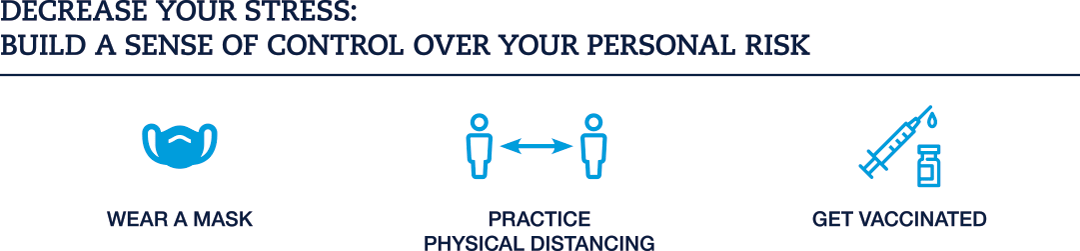
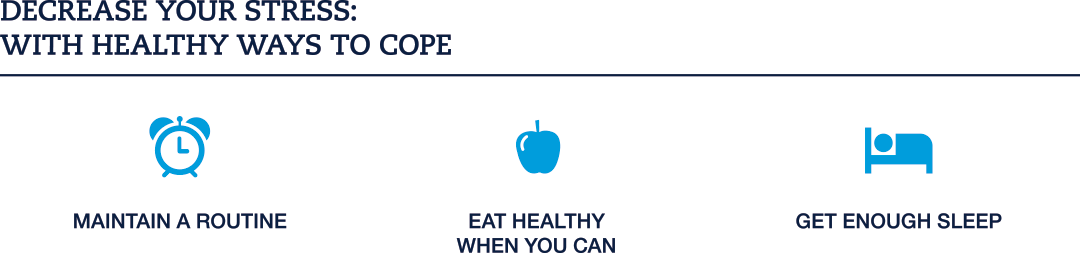
On a personal level, health officials are encouraging Americans to regain a sense of control. Borja suggests that active participation in the recovery effort—such as following public health guidelines and practicing self-care—can mitigate the feelings of helplessness that fuel depression. Recommended strategies include:
- Maintaining consistent daily routines.
- Prioritizing sleep hygiene and physical exercise.
- Engaging in "pro-social" behaviors that foster community connection.
Implications: Policy, Parity, and the Future of Care
The persistence of high depression and anxiety rates suggests that the U.S. cannot simply "wait out" the mental health crisis. It requires a fundamental shift in public policy and social priorities.
Legislative Intervention: S. 1902
One of the most promising legislative responses is the Behavioral Health Crisis Services Expansion Act (S. 1902). This bill seeks to establish national standards for behavioral health crisis services. The goal is to ensure that mental health support is as accessible and standardized as physical emergency services (like 911), regardless of a patient’s ability to pay or their geographic location. If passed, it would represent a historic investment in the nation’s mental health safety net.
Addressing Social Determinants of Health
The pandemic has proven that mental health does not exist in a vacuum. It is inextricably linked to housing stability, food security, and racial justice. Experts argue that "constructive changes" must include addressing the social determinants of health. This means that a therapist’s office is only one part of the solution; reducing community violence and economic inequality is equally vital to lowering the national rate of depression.
The "Silver Lining" of Awareness
Perhaps the only positive outcome of the last few years is the erosion of the stigma surrounding mental illness. Susan Borja noted that there is now an "increased recognition of the importance of mental health and a general awareness that mental health is a significant part of public health."
This cultural shift may be the catalyst needed to drive long-term investment. For decades, mental health was treated as a secondary concern, often siloed away from primary medical care. The data now proves that the psychological health of the citizenry is the foundation upon which economic and social stability rests.
Conclusion
As the United States moves into a post-pandemic reality, the "shadow pandemic" remains a formidable challenge. The data from early 2021 serves as a stark reminder that while masks may come off and businesses may reopen, the internal scars of the last few years remain. The tripling of depression rates and the surge in pediatric crises are not just statistics—they are a call to action. Leveraging this moment to implement policy changes like S. 1902 and addressing the systemic inequities in care will determine whether the nation recovers or remains mired in a prolonged era of psychological distress.