



In the landscape of chronic pain management, few conditions are as misunderstood or as debilitating as Ehlers-Danlos Syndrome (EDS) and Hypermobility Spectrum Disorders (HSD). For decades, patients have been caught in a cycle of inappropriate exercise prescriptions, gaslighting, and the frustration of a medical system that often views their pain through a narrow, physical lens.
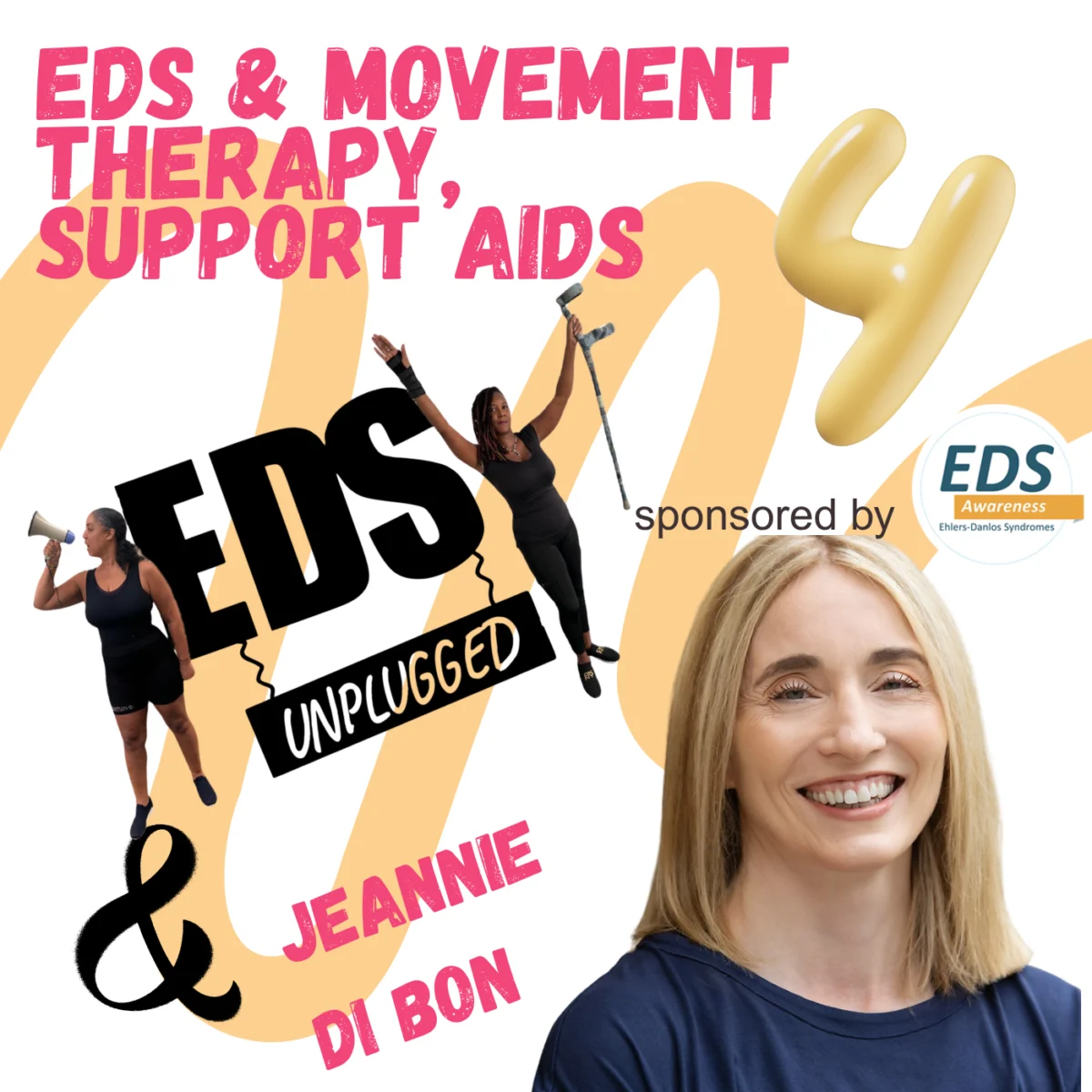
In a recent episode of the EDS Unplugged podcast, hosts Cassandra A. Campbell and Marcia Brock sat down with Jeannie Di Bon, a pioneering movement therapist, educator, and the founder of The Zebra Club. Di Bon, who lives with hypermobile EDS herself, is spearheading a paradigm shift in how we approach rehabilitation. Her evidence-based "Integral Movement Method" (IMM) challenges the conventional "no pain, no gain" mentality, proposing instead that the key to stability lies in nervous system regulation and mindful, low-impact movement.
Main Facts: A New Approach to Chronic Instability
The central thesis of Di Bon’s work is that for those with hypermobility, standard fitness advice—specifically the mantra to "just get stronger"—is often counterproductive. Many individuals with EDS and HSD present with chronic bracing, guarded breathing, and a heightened nervous system state.
"If you come to see me with your shoulders up to your ears and you aren’t breathing properly," Di Bon explains, "how on earth are you going to do strength training?"
The Integral Movement Method focuses on three foundational pillars: Safety, Stability, and Strength. By prioritizing the nervous system first, patients can move out of "fight or flight" mode, allowing them to perform movements with proprioceptive awareness rather than relying on damaging compensatory patterns. This methodology has been distilled into The Zebra Club, an online platform that provides accessible, tailored movement sessions for the global hypermobile community.
A Personal and Professional Chronology
Jeannie Di Bon’s journey into the world of hypermobility is both personal and deeply illustrative of the systemic failures within healthcare.
- 12 Years Old: Initial symptoms emerge, manifesting as IBS, chronic headaches, and unexplained joint pain. These symptoms were treated in isolation for decades.
- 2007: After giving birth to two children, her condition deteriorated significantly, resulting in a loss of sensation in her arm due to severe joint instability. A physiotherapist finally suggested Pilates, marking the start of her transition into movement therapy.
- 2010–2011: While training as a Pilates instructor, Di Bon began working with hypermobile clients referred to her by other physical therapists. She began researching EDS, recognizing her own life in the symptoms of her patients.
- 2017: A major turning point occurred when Di Bon became severely ill with Mast Cell Activation Syndrome (MCAS). During the diagnostic process for her mast cells, a consultant—who was also an expert in EDS—formally diagnosed her with hypermobile EDS.
- 2019–2021: Di Bon founded The Zebra Club, which transitioned from a specialized program to a comprehensive mobile application in 2021, creating a digital ecosystem for education, movement, and community support.
Supporting Data: Evidence-Based Empowerment
One of the most significant barriers to legitimacy in alternative rehabilitation has been the lack of clinical research. Di Bon has actively worked to change this, collaborating with practitioners like Dr. Jane Simmons to quantify the efficacy of the Integral Movement Method.
The research, which culminated in a quantitative paper published on February 16th, utilized data from a longitudinal study. Participants who engaged in the IMM-based movement program showed statistically significant improvements in patient-reported outcomes.
Perhaps most striking was the finding that these improvements were not tied to an increase in physical activity volume. Participants did not need to become gym-goers or marathon runners to experience relief. Instead, the improvements were linked to "moving differently." This data provides a powerful counter-narrative to the idea that patients are simply "deconditioned" and need to push their bodies harder. It confirms that for the hypermobile population, quality, mindfulness, and nervous system regulation are far more predictive of health outcomes than raw physical exertion.
Official Responses and Medical Advocacy
The medical community’s response to hypermobility has historically been fragmented. As noted by the podcast guests, the terminology itself is in flux, with diagnostic criteria shifting from "Joint Hypermobility Syndrome" to "EDS Type III," and now to the distinction between hEDS and Hypermobility Spectrum Disorder (HSD).
Di Bon acknowledges that a major announcement from the Ehlers-Danlos Society is expected in late 2024/early 2025 regarding new classifications. The shift is moving toward viewing these conditions as a broad spectrum rather than isolated labels.
However, the lack of education among general practitioners remains a critical issue. Patients continue to report being dismissed because they do not meet the "Beighton Score" threshold, a rudimentary diagnostic tool that fails to capture the multi-systemic nature of the condition. Di Bon advocates for a patient-centered approach: "It doesn’t matter to me what the label is. What can I do to help you?"
She also emphasizes the importance of medical aids. While some clinicians discourage the use of braces, fearing muscle atrophy, Di Bon argues that they provide the stability necessary to function in daily life. "Why would we not want to help people?" she asks, noting that aids like ring splints, SI belts, and compression garments are often the "bridge" that allows a patient to engage in movement therapy in the first place.
Implications: The Path Forward
The implications of this movement-first, trauma-informed approach are profound. They redefine what it means to be "fit" when living with a connective tissue disorder.
1. The Power of "Movement Snacks"
For those living in a state of constant flare-ups, a 30-minute workout is often impossible. Di Bon and her guests highlighted the concept of "movement snacks"—small, manageable exercises integrated into daily routines, such as pelvic tilts while in bed or heel raises while brushing teeth. This lowers the barrier to entry and prevents the guilt associated with missing a "formal" workout.
2. Pacing as a Survival Mechanism
Pacing is not merely a suggestion; it is a vital tool for survival. Learning to stop before the point of exhaustion—whether that is physical exercise or household chores—is essential to preventing the "crash" that follows overexertion. This requires a radical shift in perspective, moving from a mindset of "pushing through" to one of deep, intuitive listening.
3. Advocacy and Self-Compassion
The most poignant implication is the psychological component. The "guilt" associated with resting, the "vulnerability" of using mobility aids, and the "defeat" of feeling like one’s body is failing are universal experiences in the EDS community. Di Bon stresses that self-compassion is not a luxury; it is a clinical necessity.
Conclusion: You Are the Expert
As the conversation concluded, the takeaway was clear: the most effective advocate for a patient’s health is the patient themselves.
"You are the expert of your body," Di Bon reminded listeners. "Nobody knows how you’re feeling better than you."
For the millions of people worldwide who feel unheard by the medical establishment, the work of practitioners like Di Bon offers more than just physical relief. It offers a framework for autonomy. By replacing the outdated, aggressive models of exercise with a gentle, nervous-system-first approach, the community is reclaiming its power—one breath, one pelvic tilt, and one "no" at a time.
For those looking to begin this journey, resources such as the Hypermobility Channel on YouTube and the Zebra Club app provide the tools to build a sustainable life, reminding us all that even in the face of chronic illness, hope is not just a feeling—it is a practice.