





As the global community moves further into the third decade of the 21st century, the concept of a "new normal" has evolved from a temporary coping mechanism into a permanent state of societal adjustment. The turbulence of the COVID-19 pandemic reshaped not only how we work and socialize, but fundamentally altered our relationship with food, physical activity, and sleep. To help the public navigate these shifting landscapes, health experts are increasingly emphasizing the need for evidence-based strategies that prioritize long-term wellness over fleeting trends.
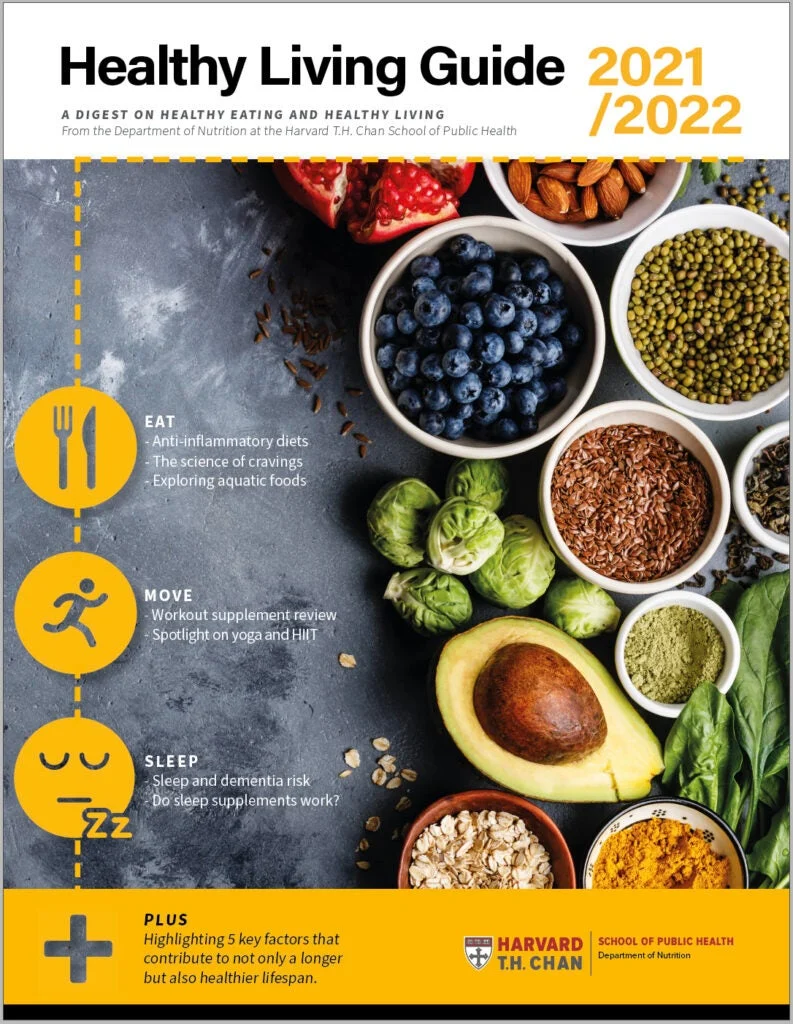
The Harvard T.H. Chan School of Public Health recently released its latest Healthy Living Guide, a resource designed to distill complex nutritional science into actionable daily habits. By examining the shifting behaviors of the past year, we can better understand how to cultivate resilience, both physically and mentally, in an era defined by uncertainty.
Main Facts: The Evolution of Consumer Behavior
The transition from 2020 to 2021 served as a societal "stress test" for health habits. According to data from the International Food Information Council’s 2021 Food and Health Survey, the radical lifestyle shifts prompted by initial lockdowns began to stabilize, yet not all changes were positive.
In 2020, the onset of the pandemic saw a sharp spike in stress-related eating and a dramatic return to home kitchens. By 2021, however, these trends began to retreat. The percentage of Americans reporting that they were "snacking more" dropped from 32% in 2020 to 18% in 2021. Similarly, the trend of "eating more in general" fell from 20% to 11%. While these numbers suggest a return to more moderate caloric intake, the data also highlights a concerning decline in home cooking—falling from 60% in 2020 to 47% in 2021—as individuals returned to pre-pandemic routines and a reliance on convenience foods.
The primary takeaway is clear: while the acute phase of the pandemic forced a focus on health through home-based activity, the return to "normalcy" has often come at the expense of consistent, nutritious cooking habits. The Healthy Living Guide serves as a manual to bridge this gap, offering a blueprint for maintaining healthy habits even when external environments become chaotic.
Chronology: A Timeline of Pandemic Lifestyle Shifts
To understand our current health status, we must look at the progression of the last 24 months:
- Early 2020 (The Lockdown Phase): A sudden, forced shift in daily routines. Panic buying, supply chain disruptions, and the "baking boom" characterized this period. Stress-induced eating patterns emerged as a coping mechanism for widespread anxiety.
- Late 2020 (The Adaptation Phase): Individuals began to normalize remote work and home-based fitness. Interest in immunity-boosting foods and supplements surged as the public sought agency over their health.
- 2021 (The "New Normal" Adjustment): A hybrid year. Vaccine rollouts allowed for a partial return to offices and restaurants. Survey data shows a cooling off of home-cooking intensity and a decrease in excessive snacking as people regained access to their pre-pandemic environments.
- 2022 and Beyond (The Sustainability Phase): A focus on long-term health maintenance. The emphasis is shifting away from "survival" strategies and toward building sustainable, long-term habits that can withstand future disruptions.
Supporting Data: Addressing Disparities and Global Health
The Healthy Living Guide does not exist in a vacuum; it acknowledges the significant disparities in food security that the pandemic laid bare. While many households had the privilege of focusing on "healthy eating," millions faced increased food insecurity. The pandemic acted as a magnifying glass, revealing that access to fresh, nutritious food is not merely a matter of personal choice, but a matter of economic and systemic structure.
Furthermore, the document reminds us that personal health is inextricably linked to global health. The emergence of SARS-CoV-2 variants has underscored that the path to a post-pandemic world requires a global perspective. The document advocates for the urgency of vaccination, particularly in low- and lower-middle-income countries, noting that the health of the individual is fundamentally tied to the health of the collective.
Official Responses: Expert Insights on Holistic Wellness
Health professionals emphasize that the three pillars of a healthy life—nutrition, physical activity, and restorative sleep—must be viewed as a unified system.
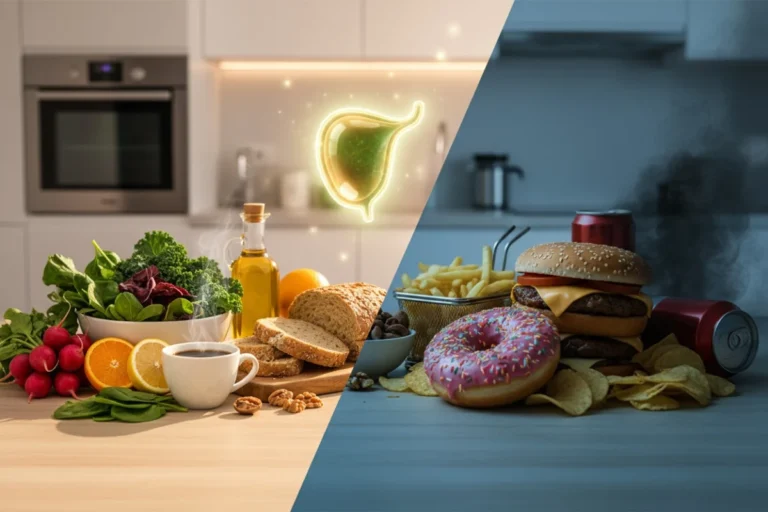
- Nutrition: Experts stress that the focus should be on the quality of ingredients rather than restrictive dieting. The Healthy Living Guide encourages the adoption of plant-forward diets, the minimization of processed foods, and the importance of hydration.
- Physical Activity: With sedentary remote work becoming a fixture, the guide advocates for "movement snacking"—integrating small bursts of activity throughout the day to combat the negative effects of prolonged sitting.
- Sleep Hygiene: Often the most overlooked pillar, sleep is now recognized as critical for immune function and metabolic health. Experts advise maintaining consistent sleep-wake cycles, even on weekends, to regulate the body’s circadian rhythm.
Implications: Building Resilience for the Future
The implications of these trends are significant for public health policy and individual wellbeing. We are currently witnessing a "lifestyle drift," where the intentionality we practiced during the early pandemic is being eroded by the convenience of modern life.
1. The Challenge of Convenience
The 13% drop in home cooking between 2020 and 2021 is a warning sign. Home cooking is one of the most reliable predictors of a healthy diet, as it allows individuals to control sodium, sugar, and fat intake. The industry’s challenge is to make healthy cooking as convenient as the alternative options that have proliferated in the post-pandemic market.
2. Mental Health and Metabolic Health
The correlation between stress and eating habits remains high. The guide suggests that mental health practices—such as mindfulness and stress management—are just as essential to metabolic health as the food we consume. Addressing the root cause of "snacking" (often emotional regulation) is more effective than simple willpower.
3. The Need for Continued Vigilance
The pandemic is not merely a historical event; it is an ongoing catalyst for change. The Healthy Living Guide provides the necessary tools for the public to "test their knowledge" and refine their habits. By revisiting research highlights, the guide empowers individuals to cut through the noise of fad diets and misinformation.
Conclusion: A Call to Action
As we look toward the future, the message is one of empowerment. While we cannot always control the state of the world or the trajectory of a pandemic, we maintain agency over the daily decisions that define our physical and mental health.
The Healthy Living Guide is more than just a document; it is an invitation to reclaim our routines. Whether it is by preparing one extra home-cooked meal a week, incorporating a ten-minute walk into a lunch break, or prioritizing sleep as a non-negotiable, every small action contributes to long-term resilience.
For those looking to deepen their understanding, the full guide offers printable tip sheets and summaries, serving as a roadmap for anyone committed to a healthier, more balanced life. As we navigate the twists and turns of this ongoing era, let us commit to a philosophy of sustainable wellness—one that is rooted in science, balanced in practice, and resilient against the challenges of the modern world.
How to Engage with the Healthy Living Guide
To effectively utilize the resources provided, readers are encouraged to:
- Download the Printable PDF: Keep a copy in your kitchen or workspace as a constant reminder of core healthy habits.
- Participate in the Knowledge Quiz: Use the interactive elements within the guide to assess your current understanding of nutrition and lifestyle science.
- Explore the Source Material: Use the provided links to access original research articles, allowing you to dive deeper into the specific topics that impact your personal health goals.
By shifting our focus from the stress of the "new normal" to the potential for personal growth, we can emerge from this period not just surviving, but thriving.