










ABUJA, Nigeria — In a move intended to mobilize the international community, the World Health Organization (WHO) officially declared the escalating outbreak of the Bundibugyo virus—a rare and lethal variant of Ebola—a Public Health Emergency of International Concern (PHEIC). The declaration comes as health authorities grapple with over 300 suspected cases and 88 confirmed deaths, signaling a volatile situation that threatens to destabilize an already fragile region of Central Africa.
While the WHO has cautioned that the current situation does not meet the criteria for a pandemic emergency on the scale of COVID-19, the designation serves as a vital call to action for donor agencies and member states to provide the necessary resources to contain the pathogen.
The Nature of the Threat: The Bundibugyo Variant
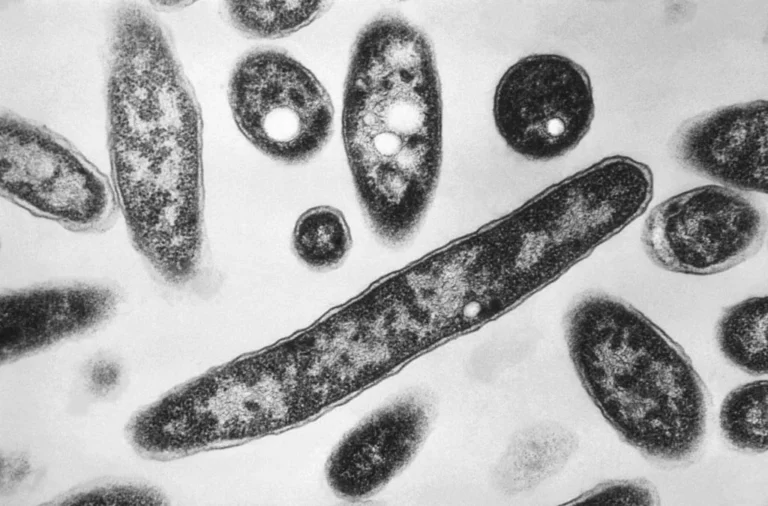
Ebola is a viral hemorrhagic fever known for its devastating impact on the human body. Highly contagious, it spreads through direct contact with infected bodily fluids—blood, vomit, semen, or feces. While outbreaks of the Ebola Zaire strain are better understood and have effective, approved vaccines, the Bundibugyo variant presents a unique and frightening challenge.
This outbreak marks only the third time the Bundibugyo strain has been identified in recorded history. First discovered in the Bundibugyo district of Uganda in 2007, it previously surfaced in a 2012 outbreak in Isiro, Congo. Crucially, there are currently no approved vaccines or specific therapeutics for this particular variant, leaving medical responders with limited tools to treat patients or prevent transmission.
Chronology of a Silent Spread
The timeline of the current outbreak highlights the dangers of delayed detection in remote or conflict-ridden areas. According to the Africa Centres for Disease Control and Prevention (Africa CDC), the outbreak likely began as early as April 2024.
- April 24, 2024: A 59-year-old male exhibits the first symptoms of what would later be identified as the index case.
- April 27, 2024: The patient dies in an Ituri hospital. At this point, the nature of the illness remains unrecognized.
- May 5, 2024: Health authorities are alerted to the existence of a mystery disease via reports on social media. By this date, 50 deaths have already been recorded, suggesting the virus had been circulating undetected for nearly two weeks.
- Late May 2024: The virus is laboratory-confirmed as the Bundibugyo variant.
- June 2024: Clusters of deaths are reported across Ituri province, with cases confirmed in Uganda, including a fatality in the capital, Kampala.
"This outbreak started in April," noted Dr. Jean Kaseya, Director-General of the Africa CDC. "So far, we don’t know the index case. It means we don’t know the full magnitude of this outbreak."
Regional Dynamics and Geopolitical Challenges
The containment efforts are being severely hampered by a "perfect storm" of logistical and geopolitical obstacles. The epicenter of the outbreak, the Ituri province in the Democratic Republic of Congo (DRC), is a region defined by instability.
Conflict and Displacement
Persistent violent conflict involving armed militants, including factions linked to the Islamic State group, makes it nearly impossible for healthcare workers to access certain zones safely. These security risks prevent the establishment of robust, long-term monitoring stations. Furthermore, the region is home to a highly mobile population driven by artisanal mining and seasonal migration. As people move between mining camps in the DRC and across the porous border into Uganda, they carry the risk of transmission with them, turning localized outbreaks into regional crises.
The Problem of Surveillance
Health officials admit that the current numbers—336 suspected cases and 87 deaths—likely represent a significant undercount. "There are significant uncertainties to the true number of infected persons and geographic spread," said WHO Director-General Tedros Adhanom Ghebreyesus. The fact that the virus has already reached the capital of the DRC, Kinshasa—some 1,000 kilometers from the Ituri epicenter—suggests that the disease is not confined to rural pockets but is actively utilizing transportation hubs.
Supporting Data: A Healthcare System Under Siege
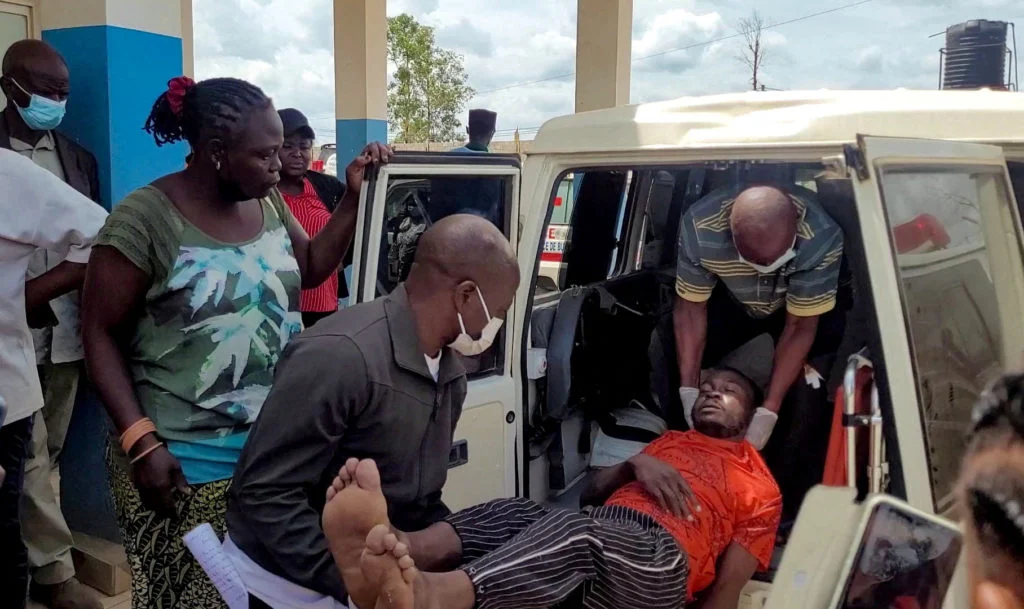
The strain on local infrastructure is immense. The WHO has confirmed at least four deaths among healthcare workers, a tragic indicator of the high risk posed to those at the front lines. Without proper Personal Protective Equipment (PPE) and rapid diagnostic tools, clinics are struggling to keep their doors open.
The diagnostic challenges are compounded by the high percentage of positive cases identified in recent samples. Epidemiologists warn that when a high ratio of tested samples returns positive, it typically indicates that the virus is far more prevalent in the general population than reported data would suggest. The presence of cases in North Kivu, a province with a massive population density, further amplifies the risk of a rapid, uncontrollable surge.
Official Responses and the "Vaccine Gap"
The WHO’s declaration is intended to catalyze a coordinated international response, but the history of such declarations remains a point of contention. Critics point to the 2024 mpox outbreaks, where the WHO’s emergency status failed to trigger a rapid flow of vaccines and diagnostic kits to African nations.
Dr. Jean Kaseya has been vocal regarding the structural inequities in the global health response. A primary concern is that the existing medical counter-measures for Ebola—such as those developed for the Zaire strain—are manufactured exclusively outside of Africa. When a rare variant like Bundibugyo emerges, African nations are left at the mercy of global supply chains and the interests of international pharmaceutical companies.
"If we are serious in this continent, we need to manufacture what we need," Dr. Kaseya told reporters. "We cannot every single day look for others to come to tell us what they are doing."
The lack of an active vaccine development program for the Bundibugyo variant is a direct result of market failure. Because the variant is considered "rare" and less lethal than other Ebola strains, pharmaceutical entities have shown little economic interest in investing in R&D. For the communities currently facing the outbreak, however, the "rarity" of the virus is a moot point—the mortality rate remains high, and the human cost is mounting.
Implications for the Future
The current crisis serves as a stark reminder of the vulnerabilities within global health security. The lessons learned from the 2014-2016 West African Ebola epidemic—namely, the necessity of community engagement, rapid testing, and decentralized response—are being tested once again.
Economic and Social Impact
Beyond the immediate loss of life, the outbreak threatens to stifle the economic activity of the Great Lakes region. Border closures, while officially discouraged by the WHO to prevent economic collapse, remain a threat if countries unilaterally decide to seal their borders to contain the virus. Such closures would disrupt trade, food supplies, and the flow of humanitarian aid to millions of people already struggling with poverty and conflict.
Strengthening Regional Capacity
The path forward, according to health experts, must involve more than just emergency funding. It requires a long-term shift toward "sovereign health." This includes:
- Investment in Local Manufacturing: Establishing vaccine and diagnostic manufacturing hubs within Africa to bypass the delays associated with international procurement.
- Integrated Surveillance: Combining disease tracking with existing security and population movement monitoring in conflict-affected regions.
- Community-Led Response: Leveraging local leaders and community networks to build trust, which is essential for contact tracing and early symptom reporting.
As the international community watches this developing story, the focus remains on whether the WHO’s emergency declaration will actually result in tangible support or if it will be another bureaucratic milestone in a long-standing pattern of neglect. The lives of thousands in Ituri and beyond depend on the world’s ability to act before the Bundibugyo virus transitions from a manageable cluster into a wider, regional catastrophe.
For now, the situation remains fluid, with international agencies rushing to deploy field laboratories and therapeutic specialists to the affected zones. The world waits to see if these measures will be enough to stop the silent, lethal spread of a virus that the global community has largely ignored for too long.