











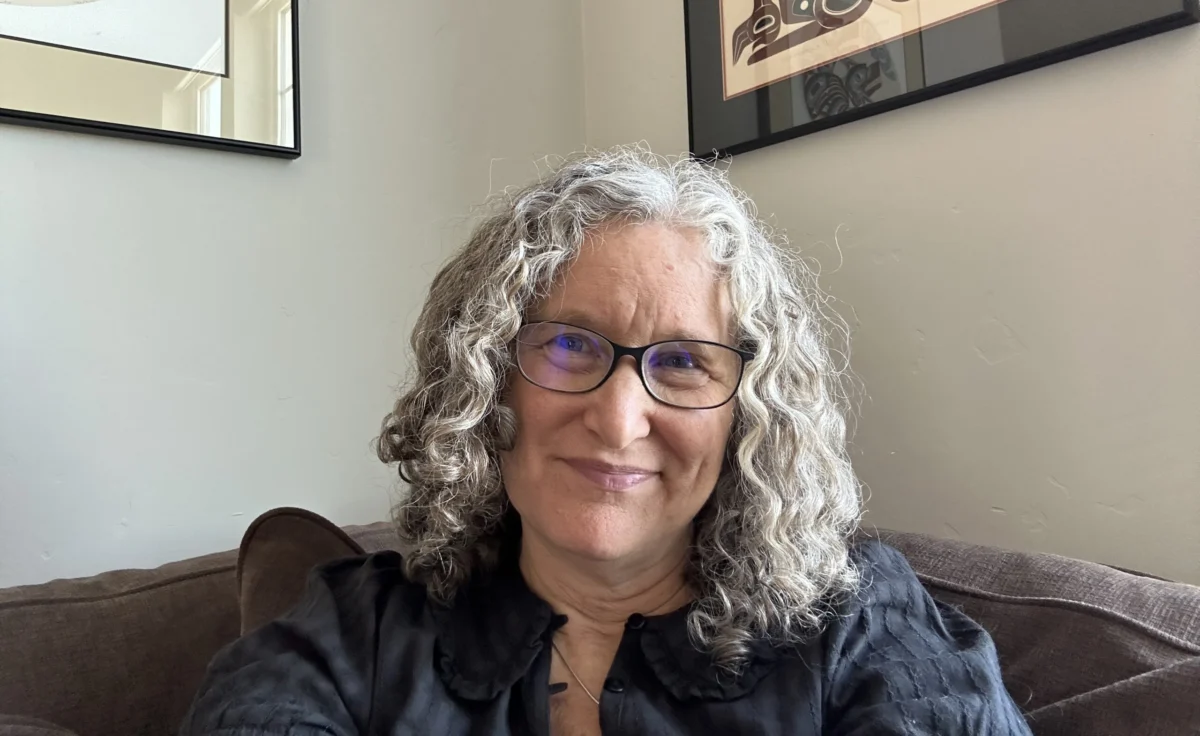
In a recent episode of the Mad in America podcast, host Brooke Siem—author of the acclaimed memoir May Cause Side Effects—sat down with Marsha Zaritsky, a licensed mental health therapist and Internal Family Systems (IFS) practitioner. Their conversation illuminated a frequently ignored demographic in the psychiatric survivor movement: older women who are prescribed potent psychiatric medications to manage the symptoms of menopause.
Zaritsky’s story is a harrowing account of how routine medical complaints, such as insomnia during hormonal shifts, can escalate into a decade-long struggle with chemical dependency, medical gaslighting, and a grueling recovery from protracted withdrawal. Her journey from a high-functioning professional to a "poly-drugged" patient, and finally to a vocal advocate for informed consent, offers a profound critique of modern psychiatric prescribing habits.
Main Facts: The Intersection of Menopause and Overmedication
The central premise of Zaritsky’s testimony is that menopause—a natural biological transition—is increasingly being treated as a psychiatric emergency. When Zaritsky began experiencing sleep disturbances common to menopausal women, her physician prescribed Klonopin, a potent benzodiazepine. Zaritsky was never informed that Klonopin was a sedative-hypnotic with a high potential for physical dependence.
Over the course of a decade, Zaritsky’s health began to fail in ways that seemed unrelated to her mental state. She suffered from severe digestive issues and chronic pain, spending thousands of dollars on specialists and naturopaths, none of whom identified the drug as the culprit. It was only through a chance observation—noticing her pain vanished after taking a Xanax she found at home—that she realized she was in "tolerance withdrawal." This occurs when the body becomes so accustomed to a drug that the current dose is no longer effective, and withdrawal symptoms begin to manifest even while the patient is still taking the medication.
What followed was a disastrous intervention in a drug rehabilitation facility, where Zaritsky was "cold-turkeyed" (abruptly removed) from Klonopin and subsequently "poly-drugged" with an array of other substances, including Zoloft, Gabapentin, Zyprexa, and Mirtazapine. Today, Zaritsky is a survivor of protracted withdrawal injury and is currently utilizing a method known as hyperbolic tapering to safely remove the remaining psychiatric drugs from her system.
Chronology: From Prescription to Protracted Injury
The Initial Prescription (Early 2010s)
Zaritsky’s issues began with simple travel-related insomnia. Originally prescribed Ambien, her doctor switched her to Klonopin, describing it as a "better" option without disclosing its addictive nature. As menopause hit, her sleep worsened, and the Klonopin use became a daily fixture.
The Physical Collapse (2020–2021)
After ten years on the drug, Zaritsky’s body began to reject it. She experienced debilitating digestive pain that led to multiple ER visits. "I spent probably a year and a half spending thousands upon thousands of dollars seeing naturopaths," she recalls. The realization that she was on a benzodiazepine came only when a doctor refused to prescribe Xanax for her stomach pain, noting she was already on a drug in the same class.
The Rehab Trap
Recognizing the danger, Zaritsky sought professional help at a drug rehabilitation center. However, the facility’s protocol was aggressive and medically unsound for benzodiazepines. She was taken off the drug in just four days. To manage the resulting "terror" and insomnia, the facility added Zyprexa and Gabapentin. She left the facility not cured, but more medicated than when she entered.
The Protracted Injury and Recovery (2022–Present)
The years following rehab were defined by "protracted withdrawal"—a state where the central nervous system remains in a hyper-aroused, dysfunctional state long after the drug has left the bloodstream. Zaritsky described being stuck in an "adrenaline loop," unable to regulate her emotions or connect with her life. Her recovery has been a slow process involving brain retraining programs (DNRS, Primal Trust), restorative yoga, and the clinical application of Internal Family Systems (IFS) therapy.
Supporting Data: The Mechanics of Harm and Hyperbolic Tapering
Zaritsky’s experience highlights two critical concepts in modern psychopharmacology: the "prescribing cascade" and "hyperbolic tapering."
The Prescribing Cascade: This occurs when the side effects of one drug (in Zaritsky’s case, the digestive issues and anxiety caused by Klonopin tolerance) are misdiagnosed as a new medical condition, leading to further prescriptions. Zaritsky’s journey from one drug to four is a textbook example of how the medical system often treats the "smoke" of drug side effects rather than the "fire" of the original dependency.
Hyperbolic Tapering: Unlike traditional "linear" tapers (where a patient drops by a fixed amount, such as 10mg every month), hyperbolic tapering involves smaller and smaller reductions as the dose gets lower. This method is based on the way psychiatric drugs bind to brain receptors. As the dosage decreases, the percentage of receptors being "freed" increases exponentially. Zaritsky is currently using this method to slowly wean off Mirtazapine and Zoloft, a process she expects will take four to five more years to ensure her nervous system remains stable.
The data regarding benzodiazepines is particularly stark. According to the FDA, benzodiazepines should generally not be prescribed for more than two to four weeks. Yet, Zaritsky was maintained on them for over a decade, a common occurrence in the older adult population where "maintenance" doses are rarely questioned until a crisis occurs.
Official Responses and Clinical Perspectives
As a licensed mental health therapist, Zaritsky’s perspective provides a rare bridge between the patient experience and the clinical establishment. She notes a disturbing lack of interest among her peers regarding the dangers of overmedication.
"I wish I could get the attention of other therapists," she told Siem. "I’m on some pretty big Facebook groups, and occasionally I’ll post something… and it just gets buried. There’s no interest."
The "official" stance in many therapeutic circles remains that medication is a separate "biological" issue handled by psychiatrists. However, Zaritsky argues that therapists are on the "front lines" and have a moral obligation to understand the physiological impacts of the drugs their clients are taking. She suggests that the current mental health model often mistakes drug-induced withdrawal or side effects for "treatment-resistant depression" or "generalized anxiety disorder."
Zaritsky now incorporates "informed consent" into her own practice. She warns her clients that they likely will not receive the full picture of risks from their prescribing physicians. This is particularly relevant for her female clients, whom she observes are under immense pressure to "perform" at high levels and are often medicated for the "discomfort" of normal life stressors.
Implications: Aging, Autonomy, and the "Right to Feel"
The most poignant aspect of Zaritsky’s story is her reflection on aging and the desire for clarity in the final chapters of life. One of the greatest fears for older adults in withdrawal is the "age-related" fear that the brain is too old to heal. Zaritsky’s successful recovery serves as a powerful counter-narrative to the idea that the aging brain lacks neuroplasticity.
Furthermore, Zaritsky introduces a philosophical dimension to the withdrawal movement: the right to meet death unmedicated.
"I want to meet death unmedicated," Zaritsky stated, a sentiment that visibly moved host Brooke Siem. "I want to feel life. I hate not knowing if I could be feeling more in this moment… I want to have the rest of it [life] unmedicated if I can, and I’m willing to give it a shot."
This statement challenges the pervasive "palliative" approach to aging, where discomfort is routinely suppressed with sedatives. For Zaritsky, the "full, joyful life" she currently leads is not a result of finding the right chemical balance, but of reclaiming her nervous system from the interference of psychiatric drugs.
Conclusion: A Call for Systemic Change
Marsha Zaritsky’s story is more than a personal memoir of survival; it is a systemic warning. It highlights a specific vulnerability in women during menopause and the elderly, who may be more susceptible to the "prescribing cascade" and less likely to have their physical symptoms attributed to psychiatric drug toxicity.
The conversation between Siem and Zaritsky underscores a growing movement of "clinician-survivors" who are beginning to speak out. By breaking the "blanket of shame" associated with being a therapist who "succumbed" to dependency, Zaritsky is paving the way for a more honest dialogue about the limitations and dangers of the current psychiatric paradigm. Her message to others in her age bracket is clear: "We’re never too old. It’s never too late if you want it."
For those seeking more information on safe tapering and psychiatric drug awareness, resources are available at Mad in America and through the withdrawal community on Instagram at @gracefullyunmedicatingme.