










May 27, 2026 | 2 min read
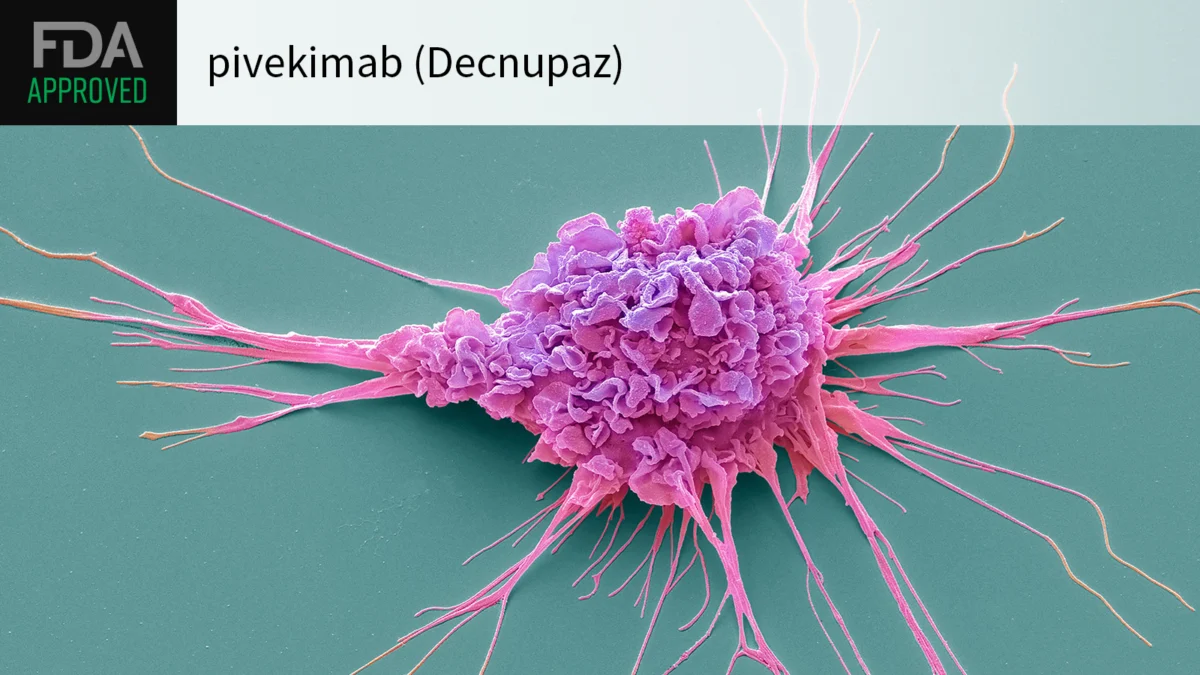
In a significant milestone for hematologic oncology, the U.S. Food and Drug Administration (FDA) has officially granted approval to pivekimab sunirine (brand name Decnupaz) for the treatment of adult patients diagnosed with blastic plasmacytoid dendritic cell neoplasm (BPDCN). This ultra-rare, aggressive blood cancer, which historically carried a dismal prognosis, now has a potent new weapon in the clinical arsenal, offering renewed hope for patients facing limited therapeutic alternatives.
The Landscape of BPDCN: A Challenging Diagnosis
Blastic plasmacytoid dendritic cell neoplasm is a rare and highly aggressive malignancy originating from precursors of plasmacytoid dendritic cells. Characterized by the overexpression of the CD123 antigen, the disease typically manifests with skin lesions, though it frequently involves the bone marrow, lymph nodes, and other extra-nodal sites.
The epidemiological burden of BPDCN is significant in its rarity, with an estimated 500 to 1,000 new cases diagnosed annually in the United States. Despite its rarity, the clinical profile is severe; without intervention, the prognosis for BPDCN patients is notably poor. For decades, clinicians struggled to identify effective standard-of-care treatments, often relying on intensive chemotherapy regimens that many patients, particularly those in the older demographic, could not tolerate.
The CADENZA Trial: A Turning Point
The regulatory green light for pivekimab sunirine was primarily driven by the robust data emerging from the prospective, single-arm, open-label CADENZA clinical trial. This study was designed to evaluate the safety and efficacy of the antibody-drug conjugate (ADC) in a cohort of 84 adult patients.
The trial’s composition reflected the real-world complexity of the disease, enrolling 33 patients with previously untreated BPDCN—including 22 with de novo disease and 11 with co-existing hematologic malignancies—alongside 51 patients who had relapsed or refractory disease. The primary endpoint focused on the composite complete response (CCR), defined as the sum of complete remission (CR) and clinical complete remission (CRc) in the frontline setting.
Supporting Data and Statistical Breakthroughs
The results, which have been lauded by the oncology community, were striking. Among the 33 previously untreated patients, the trial achieved a 69% composite complete response rate after a median follow-up of 21.5 months. Furthermore, the durability of these responses was encouraging, with a median duration of CR/CRc lasting 9.7 months.
While the efficacy in the relapsed/refractory cohort was more modest—with a 15.7% achievement of CR/CRc after 24.1 months of follow-up—the data still provides a vital option for patients who have exhausted other avenues. The median duration of response in this group was recorded at 9.2 months.
Mechanism of Action: Targeting CD123
Pivekimab sunirine is an antibody-drug conjugate that leverages the overexpression of the CD123 antigen on BPDCN cells. By linking an anti-CD123 antibody to a potent cytotoxic agent, the therapy is engineered to deliver a targeted "payload" directly to the malignant cells while sparing healthy tissue to the extent possible. This precision-medicine approach represents a move away from systemic cytotoxic chemotherapy and toward therapies specifically designed to target the unique molecular profile of the malignancy.
This approval places pivekimab sunirine alongside tagraxofusp (Elzonris), a CD123-targeted cytotoxin, as one of only two FDA-approved therapies specifically indicated for BPDCN.
Expert Perspectives and Official Responses
The clinical implications of this approval were highlighted by Dr. Naveen Pemmaraju of the University of Texas MD Anderson Cancer Center, who served as the principal investigator for the CADENZA trial.
"These strong, durable response results offer hope to BPDCN patients with limited treatment options," Dr. Pemmaraju stated following the publication of the results. "An effective and safe frontline treatment for patients would be practice-changing, and these positive results suggest that pivekimab should be considered a potential standard treatment for BPDCN patients."
The oncology community has largely echoed this sentiment, viewing the drug as a vital evolution in the management of rare blood cancers. However, as with any potent antineoplastic agent, the medical community remains vigilant regarding the safety profile.
Safety Profile and Clinical Vigilance
While the efficacy of pivekimab sunirine is high, the FDA has mandated strict prescribing information to ensure patient safety. The drug carries a boxed warning for hepatotoxicity, specifically noting the risk of hepatic veno-occlusive disease.
Clinical teams are advised to exercise caution and maintain rigorous monitoring protocols for patients receiving this therapy. In addition to the boxed warning, the FDA has outlined several key warnings and precautions, including:
- Infusion-related reactions: Patients must be monitored during and after administration.
- Edema: Potential for fluid retention and associated clinical complications.
- Sulfite allergic reactions: A consideration for patients with specific sensitivities.
- Embryo-fetal toxicity: Given the mechanism of action, the drug poses significant risks to developing fetuses, necessitating strict reproductive counseling for patients of childbearing potential.
Implications for Future Oncology Research
The approval of pivekimab sunirine marks a broader shift in how ultra-rare cancers are researched and managed. By utilizing innovative clinical trial designs like CADENZA, researchers are finding ways to demonstrate efficacy even in small patient populations.
The success of the CADENZA trial underscores the importance of academic and industry collaboration in rare disease research. As data continues to mature, researchers are looking toward potential combination therapies and the possibility of utilizing pivekimab sunirine in earlier settings or as a bridge to stem cell transplantation, which remains a potentially curative option for eligible BPDCN patients.
Conclusion: A New Standard?
For a disease that was once described as "untreatable" by many clinicians, the emergence of targeted therapies like pivekimab sunirine is transformative. By providing a 69% complete remission rate in frontline settings, this new medication offers patients more than just an extension of life; it offers a significant window of disease control.
As clinicians begin to integrate pivekimab sunirine into their practice, the focus will undoubtedly shift to long-term monitoring and the optimization of care pathways. For now, the approval stands as a testament to the power of targeted molecular medicine and a beacon of progress for the BPDCN community.
Patients and providers are encouraged to consult the full prescribing information for Decnupaz to understand the specific dosing, monitoring, and safety requirements necessary for successful implementation in clinical settings. With this new tool, the fight against BPDCN is more targeted, more precise, and more hopeful than ever before.