





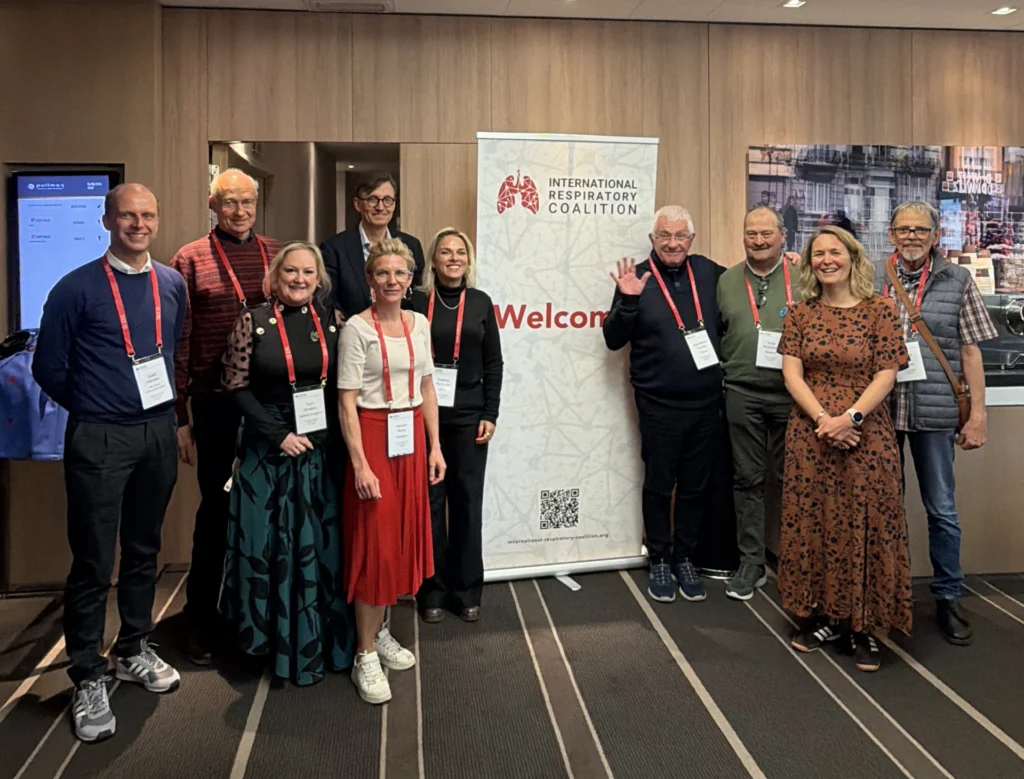
BRUSSELS – The European respiratory landscape witnessed a significant milestone this May as patient advocates, medical experts, and policymakers converged in Brussels for the 2026 International Respiratory Coalition (IRC) National Coalitions Workshop. Held on May 5–6, the event served as a critical platform for aligning European-wide respiratory strategies with the lived experiences of patients, marking a shift toward more inclusive, patient-centered lung health policy.
Main Facts: A Unified Front for Lung Health
The workshop brought together representatives from 21 national respiratory coalitions. The primary objective was to strengthen the infrastructure of national lung health strategies, ensuring that the progress made at the European level translates into tangible improvements for patients in their home countries.
For the European Lung Foundation (ELF), the event was a testament to the power of cross-disciplinary cooperation. By fostering direct dialogue between healthcare professionals, researchers, and patient advocates, the workshop underscored that the future of respiratory medicine is not merely clinical—it is political and social. The central takeaway was clear: sustainable, effective lung health policies can only be achieved when those living with chronic respiratory diseases (CRDs) are positioned as architects of the systems designed to treat them.
Chronology: Two Days of Strategic Alignment
Day One: Bridging the Gap Between Policy and Practice
The opening sessions were dedicated to the "IRC Blueprint," a strategic framework designed to translate the ambitious goals of the IRC Manifesto 2025 into national action. This segment was co-chaired by Joanna Chorostowska, President of the European Respiratory Society (ERS), and Jean-Michel Fourrier, President of the Association Fibroses Pulmonaires France (AFPF) and a prominent member of the ELF Pulmonary Fibrosis Patient Advisory Group (PAG).
The dialogue focused on the full respiratory care pathway—from early diagnosis to long-term management. Discussions were anchored by presentations from experts like former ELF Chair Kjeld Hansen, who provided a masterclass on leveraging the WHO Lung Health Resolution to bolster local advocacy.
Day Two: Addressing Inequalities and Future Horizons
The second day transitioned into the complexities of health equity. Ildiko Horvath introduced the EU-funded project JARED (Joint Action on Respiratory Diseases), which aims to dismantle the barriers currently preventing underserved communities from accessing basic respiratory care.
The workshop concluded with a forward-looking perspective, emphasizing that while the technical advancements in respiratory medicine are rapid, the policy frameworks governing their distribution must move with equal velocity to ensure no patient is left behind due to geography, socioeconomic status, or lack of awareness.
Supporting Data: The Impact of Global Initiatives
The IRC Workshop highlighted that national policy often fails because it is siloed. The integration of international tools, such as the IRC Manifesto, is intended to provide a standardized, evidence-based approach to managing CRDs across borders.
Key data points and initiatives discussed included:
- The IRC Blueprint: A pragmatic tool that standardizes the pathway for patient care, helping national coalitions move from theoretical goals to concrete implementation.
- The JARED Initiative: An essential project aimed at reducing the burden of chronic respiratory diseases by targeting communities currently facing systemic barriers to diagnosis.
- WHO Resolutions: The use of international political commitments as leverage, proving that national advocacy is most effective when backed by global mandates.
The consensus among the 21 participating coalitions was that while clinical innovation is the "engine" of respiratory care, patient-led advocacy is the "steering mechanism" that ensures these innovations reach the people who need them most.
Official Responses and Reflections
The inclusion of high-level voices underscored the importance of the workshop. During the evening session marking World Asthma Day, José Luis Castro, the WHO Director-General’s Special Envoy for Chronic Respiratory Diseases, emphasized that respiratory health is a fundamental component of the global health agenda.
MEP Tomislav Sokol of the MEP Lung Health Group—for which the ERS and ELF act as secretariat—reiterated the need for legislative consistency. He noted that without a cohesive European strategy, national healthcare systems risk operating in vacuums, creating disparities in patient outcomes.
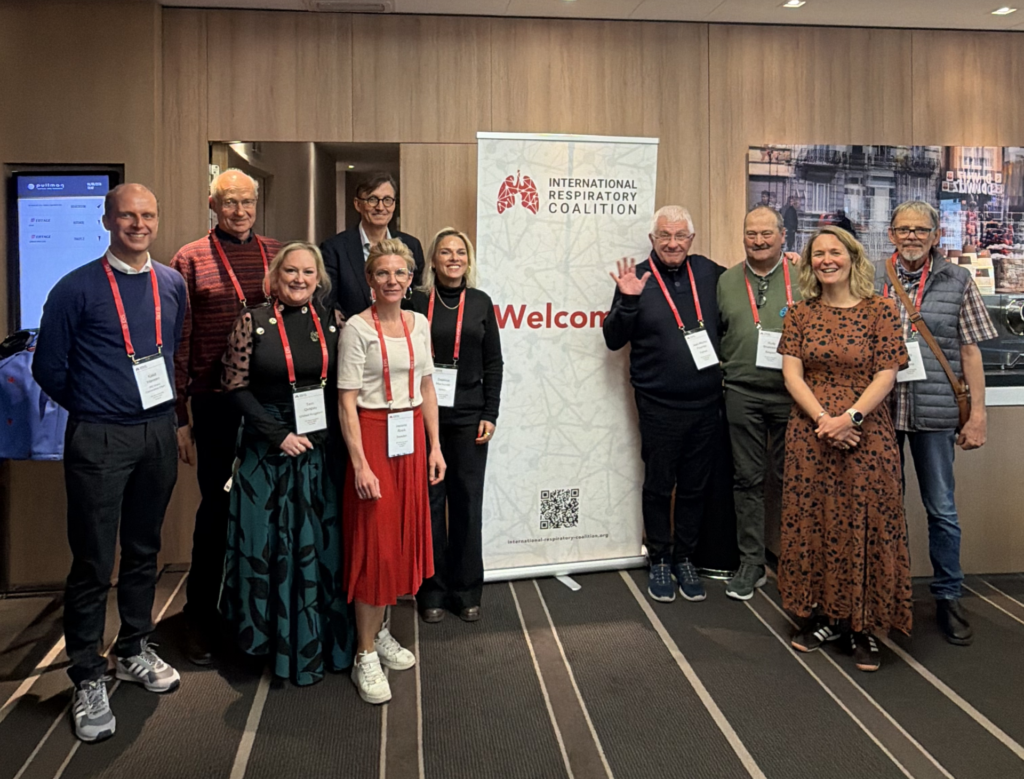
Perhaps the most poignant feedback came from Jean-Michel Fourrier, who reflected on the energy of the event via LinkedIn:
"It was amazing for us to connect and share status and experience with each other. There was such a powerful energy in the air. I was also really happy to talk on behalf of European patients alongside the European Lung Foundation team and those affected by rare diseases, including, of course, pulmonary fibrosis."
His sentiment echoed the core philosophy of the workshop: that patient representatives are not just beneficiaries of policy, but essential partners in its creation.
Implications: A New Era of Patient-Led Advocacy
The implications of the Brussels workshop are far-reaching. As the IRC continues to scale its efforts, the role of national coalitions will become increasingly vital.
1. The Decentralization of Advocacy
By empowering 21 different national coalitions, the workshop has effectively decentralized the advocacy movement. Instead of relying on a "top-down" European mandate, the focus is now on equipping local experts with the tools to demand change within their specific parliamentary and healthcare contexts.
2. The Focus on Health Equity
A recurring theme was the "everyone" aspect of lung health. Policy discussions previously focused heavily on the medical standard of care, but the 2026 workshop shifted the spotlight to the marginalized and the underserved. By prioritizing communities facing inequalities in diagnosis and treatment, the IRC is moving toward a more socially responsible model of respiratory care.
3. Sustainability and Long-Term Care
The inclusion of discussions on the "full respiratory care pathway" is a significant step toward sustainability. By addressing the entire continuum—from the prevention of asthma triggers in childhood to the long-term management of pulmonary fibrosis in older adults—the coalitions are building a resilient, long-term approach that accounts for the changing demographics of the European population.
4. Strengthening the Secretariat
The ongoing partnership between the ERS, the ELF, and the MEP Lung Health Group represents a robust alliance that merges academic research with political advocacy. This "triple-helix" model—science, policy, and patient experience—is the most effective way to ensure that respiratory health receives the funding and political attention it deserves.
Conclusion: The Road Ahead
As the 2026 IRC National Coalitions Workshop draws to a close, the momentum is palpable. The success of the event lies in its ability to synthesize complex medical data into actionable policy, all while keeping the human element at the center of the debate.
The European Lung Foundation, alongside its partners, remains committed to this cause. The path forward involves continuing to bridge the gap between researchers and patients, ensuring that the voices of those living with lung conditions are not just heard, but are the primary drivers of future legislation.
For national coalitions, the message from Brussels is clear: the tools are available, the strategy is defined, and the time for coordinated, patient-centered action is now. As the continent looks toward future health milestones, the collaboration fostered in Brussels serves as a blueprint for how European health policy can—and must—evolve.
To stay informed on future developments, research, and opportunities to engage with the European lung health community, we encourage you to join the European Lung Foundation’s mailing list. By subscribing, you gain direct access to expert insights, updates on our campaigns, and the latest stories from patients across Europe. Your voice is a critical part of the change we are building together.