










In an era defined by the "quantified self," health optimization has moved beyond the gym and into the bedroom. From sleek wrist-worn wearables to sophisticated bedside monitors and smartphone applications, the technology to track our nocturnal hours has never been more accessible. However, a recent survey conducted by the American Academy of Sleep Medicine (AASM) reveals a complex reality: while these tools are successfully nudging many toward better habits, they are simultaneously triggering a pervasive psychological phenomenon known as "orthosomnia"—an unhealthy obsession with achieving perfect sleep.
Main Facts: The Rise of the Nighttime Metric
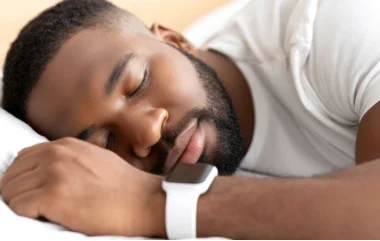
For nearly half of the American population, the pursuit of rest has become a data-driven project. According to the 2025 AASM survey, 48% of U.S. adults now utilize some form of sleep-tracking technology. This shift mirrors a broader cultural movement that treats sleep as a pillar of health on par with cardiovascular exercise and balanced nutrition.
The fundamental appeal of these devices is visibility. For decades, sleep was a "black box"—a period of time we experienced but could not objectively measure. Modern sensors now provide users with granular insights into their REM cycles, deep sleep duration, heart rate variability, and nighttime awakenings. Yet, as the data flows, so does the pressure to perform. The emergence of the "sleepmaxxing" trend—a social media-fueled crusade to optimize every millisecond of rest through specialized pillows, lighting hacks, and rigid, data-backed routines—has turned the bedroom into an arena of constant assessment.
Chronology: From Medical Necessity to Consumer Trend
To understand how we reached this point, one must look at the evolution of sleep monitoring technology:
- The Era of Clinical Exclusivity (Pre-2010): Sleep monitoring was the exclusive domain of hospitals and specialized sleep clinics. Polysomnography—the gold standard of sleep medicine—required wires, electrodes, and professional supervision, usually reserved for those with suspected clinical disorders like sleep apnea.
- The Wearable Revolution (2010–2018): As accelerometer technology became cheaper, fitness trackers began incorporating basic sleep-monitoring features. These early iterations were rudimentary, often misidentifying periods of stillness as sleep, yet they ignited public interest in "tracking" one’s night.
- The Data Boom (2019–2023): With the advent of sophisticated heart-rate sensors and oxygen saturation (SpO2) monitoring, consumer devices became startlingly accurate. This period saw the transition from "fun curiosity" to "health optimization," where users began comparing their "Sleep Scores" on social platforms.
- The Orthosomnia Crisis (2024–Present): As the market matured, the psychological toll of data-overload became apparent. Medical professionals began documenting cases of "orthosomnia," where the stress of trying to improve one’s sleep score actually prevents the user from falling asleep, creating a vicious cycle of anxiety and insomnia.
Supporting Data: By the Numbers
The AASM’s recent findings provide a sobering look at how technology is reshaping our nightly rituals:
- Behavioral Impact: It is not all negative; 55% of sleep-tracker users report that the data has positively influenced their behavior. These individuals are adjusting their lifestyles, setting more consistent bedtimes, and prioritizing sleep hygiene because they can "see" the impact of their choices.
- Demographic Divides: The adoption of sleep technology is not uniform. Men are significantly more likely to engage with these devices (56%) compared to women (40%). Furthermore, men are statistically more inclined to invest heavily in a wide array of consumer sleep products, ranging from specialized bedding to advanced biofeedback gadgets.
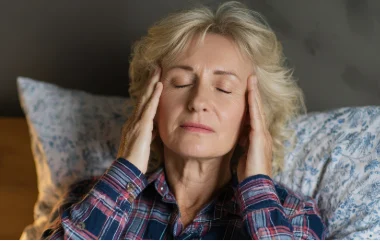
- The Anxiety Toll: Perhaps most concerning is the finding that 76% of adults report having lost sleep specifically because they were worried about their sleep problems. This statistic highlights the irony at the heart of the movement: the tools intended to provide peace of mind are, for a majority, becoming a source of cognitive arousal.
Official Responses and Medical Implications
The medical community is currently in a state of cautious observation. Dr. Jennifer Martin, a prominent voice in sleep medicine, notes that while "knowledge is power," it is only beneficial if the user knows how to interpret the data without emotional attachment.
"The danger lies in the ‘perfectionism trap,’" explains one sleep researcher. "When a patient comes into my office with a spreadsheet of their sleep cycles and asks why their ‘Deep Sleep’ is 5% lower than the average, they are looking at a snapshot, not the full picture. A tracker can tell you that you were awake for 20 minutes, but it cannot tell you how refreshed you feel. When the data contradicts how you feel, the data often wins in the user’s mind, leading to unnecessary distress."
The implications are clear: we are witnessing a shift in the patient-provider relationship. Sleep specialists are now spending more time "de-programming" patients from their trackers than diagnosing actual physiological disorders. The concern is that if people become too reliant on an algorithm to tell them if they are rested, they lose the ability to listen to their own biological cues.
The Path Forward: Balancing Technology and Intuition
Can sleep trackers be used without fueling anxiety? Experts suggest a paradigm shift in how we view these devices. Instead of using them as a scorecard for performance, they should be used as a mirror for habits.
Practical Tips for Healthy Tracking
- Focus on Trends, Not Nights: A single "bad" night is rarely cause for concern. If you must use a tracker, look at the seven-day or thirty-day trend rather than obsessing over the score of the previous night.
- The "Feeling" Test: If your tracker says you slept poorly but you feel energized, trust your body over the device. Wearables are not yet 100% accurate; they are approximations.
- Set Boundaries: If you find yourself checking your sleep score the moment you wake up, it’s time to take a break. Your first waking moments should be focused on your mood and energy levels, not a numerical evaluation of your subconscious.
- Prioritize Core Habits: No app can replace the basics: a cool, dark room, a consistent schedule, and a wind-down period free of blue light. These "low-tech" habits are far more effective than any "high-tech" optimization.
When to Seek Professional Support
There is a distinct difference between "sleep hygiene" and a sleep disorder. If you are experiencing persistent fatigue, difficulty falling asleep, or frequent nighttime awakenings that interfere with your daily life, a gadget will not provide the cure.
"If the data is showing a consistent problem, or if you feel consistently exhausted despite ‘perfect’ scores, that is the time to put the device down and pick up the phone to call a specialist," advises the AASM. Accredited sleep centers provide clinical-grade diagnostics—such as polysomnography—that can identify underlying conditions like sleep apnea, restless leg syndrome, or chronic insomnia, which no consumer-grade wearable can treat.
Conclusion: Reclaiming the Night
The "sleepmaxxing" trend serves as a powerful reminder that while we can measure everything, we cannot "hack" our biology into perfection. Sleep is a natural, physiological process that thrives on consistency and relaxation—two things that are inherently incompatible with the stress of constant monitoring.
Ultimately, a healthy relationship with sleep requires a mindset shift. We must view our devices as humble assistants rather than authoritative judges. By returning to the foundational principles of sleep hygiene and knowing when to disconnect from the digital noise, we can move away from the anxiety of perfection and toward the reality of restorative, natural rest. The goal should never be to win the game of sleep; it should be to allow the body to do what it has done for millions of years: find its own rhythm.