






By Anthony Nave, LICSW, LADC, ICAADC
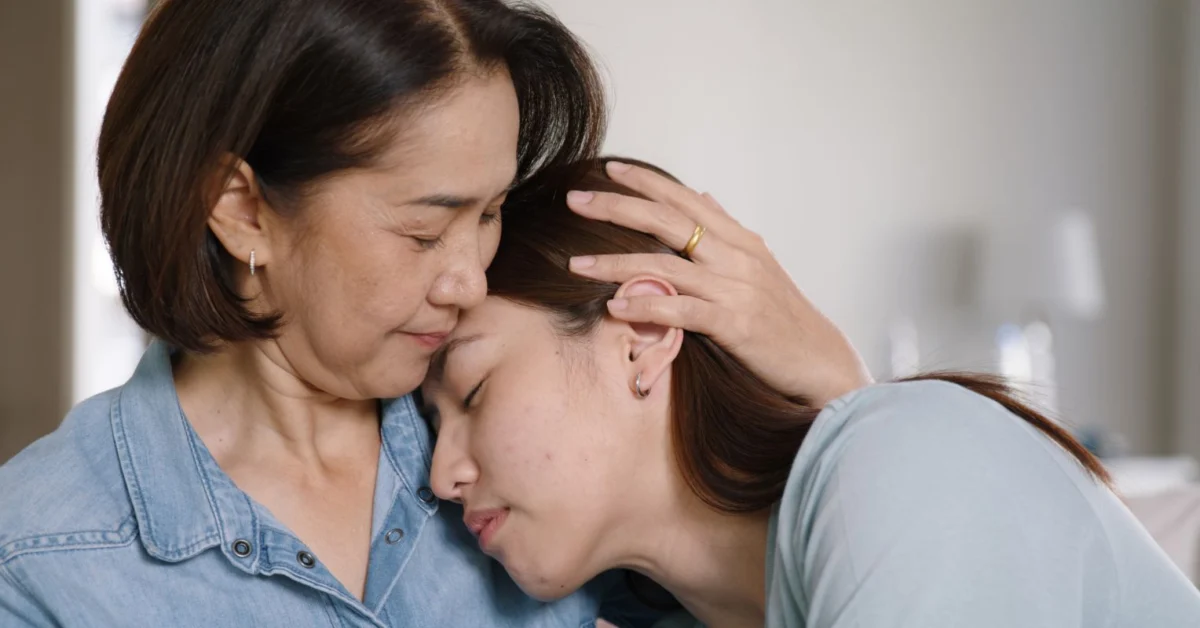
In the corridors of modern addiction treatment, there is a recurring, somber truth: addiction is rarely an isolated event. It is a seismic occurrence that shifts the foundation of every life it touches. As a clinician, one of the most common refrains I hear from families at our treatment center is the desperate, exhausting cycle of uncertainty. They live in a state of perpetual "watch and wait," wondering if today is the day they will receive the phone call they dread most—the one confirming their spouse, child, parent, or sibling is no longer coming home, or worse, has been found unresponsive.
With provisional data from the Centers for Disease Control and Prevention (CDC) consistently projecting annual drug-related overdose deaths in the United States to exceed 100,000, the magnitude of this crisis is staggering. Behind these cold statistics are thousands of friends and family members left to navigate the agonizing debris of grief and the haunting memories of who their loved one used to be before the grip of substance use disorder (SUD) took hold.
For the addiction treatment field, the challenge is clear: we must move beyond an individual-centric model. To achieve true, lasting recovery, we must recognize that the health of the family unit is not merely an "ancillary" concern—it is a cornerstone of the entire therapeutic process.
The Myth of the "Individual" Patient
Challenging the "I’m Not the One Who Is Sick" Narrative
When a loved one finally enters treatment, the initial reaction from families is often a volatile cocktail of profound relief and paralyzing fear. In those first check-in calls with therapists or physicians, the family’s primary focus is almost exclusively on the patient. They ask: Is he eating? Is she sleeping? Are they making progress?
Inevitably, when I suggest that the family members themselves engage in therapy, the pushback is swift and predictable: "But I’m not the one who is sick."
This sentiment highlights a fundamental misunderstanding of addiction. The Substance Abuse and Mental Health Services Administration (SAMHSA) has long emphasized that families are both affected by and affect the loved one struggling with SUD. A family is a system—a living, breathing organism with its own personality and internal mechanics. Just as a physical body attempts to maintain homeostasis (internal balance) during an illness, a family system will instinctively adjust its behaviors to stabilize the unit when one member is in crisis.

This process of adaptation is universal, yet uniquely personal. If the family does not address their own trauma, grief, and codependent patterns, they remain trapped in the same toxic homeostasis that existed before the patient sought help. Without parallel healing, the probability of the loved one maintaining long-term recovery drops significantly. We cannot expect a person to return to a "broken" environment and remain healthy; the soil must be nourished as much as the plant.
A Chronology of Care: From Integration to Exclusion and Back
The Rise and Fall of Family-Centered Treatment
The history of family involvement in SUD treatment has been a pendulum swing of progress and neglect.
The 1980s: The Golden Era of Family Systems
During the 1980s, the treatment landscape saw a surge in specialized family-integrated programs. Clinicians like Virginia Satir pioneered models that viewed the family as the primary unit of change. These programs were holistic, addressing the needs of couples, parents, siblings, and children through tailored subsystems. It was a time of high-touch, immersive care that acknowledged the complex web of intergenerational dynamics.
The 1990s: The Managed Care Barrier
This momentum was abruptly halted in the 1990s. As the healthcare industry shifted toward managed care, strict cost-containment measures led to drastically shortened treatment lengths. Family services were viewed as a luxury, a "value-add" that was deemed unnecessary for the basic goal of "detoxing" the individual. This systemic shift marginalized family therapy, relegating it to the periphery of addiction treatment for decades.
2017 to Present: The Resurgence of Advocacy
Since 2017, the pendulum has begun to swing back. Driven by an explosion of research into Adverse Childhood Experiences (ACEs) and intergenerational trauma, the field has reached a consensus: we cannot ignore the collateral damage of addiction. Today, as we build out a full continuum of care—including detox, residential, outpatient, and recovery coaching—the mandate is to integrate the family into the clinical architecture.
Supporting Data: The Quantitative Impact of Addiction
Understanding the Multi-Generational Toll
The impact of SUD on a family is not merely emotional; it is quantifiable and severe.
- The Childhood Experience: Research indicates that 14 percent of children by age 17 have lived with a household member struggling with substance problems. This is the second most common ACE, trailing only household dysfunction. These children face a daunting reality: they are two to four times more likely to develop major depressive disorder, generalized anxiety, PTSD, and SUDs of their own as they reach adulthood.
- The Adult Burden: The toll does not stop when children grow up. Studies demonstrate that adult family members of those with SUD are nearly 30 percent more likely to develop their own mental health disorders.
- Intergenerational Trauma: Modern neuroscience has confirmed that the stress of living with an addicted loved one alters the brain chemistry of every member of the household. When we speak of "trauma," we are not using the term lightly; we are describing the physiological and psychological scars that, if left untreated, are passed down to future generations.
Official Perspectives and Clinical Implications
The "Parallel Process" Model
At our treatment centers, we advocate for a "Parallel Process" of recovery. While the client engages in inpatient care to soothe their fight, flight, or freeze responses, the family must simultaneously embark on their own journey through outpatient clinical support.

What does this look like in practice? It is a three-pronged approach:
- Education: Families must be taught the neurobiology of addiction. Understanding that their loved one is struggling with a chronic brain disease—not a moral failing—is the first step toward dismantling the cycles of blame and hostility.
- Clinical Intervention: This involves individual and group therapy for family members to process their own trauma and grief. It is about creating a safe space for the spouse, the parent, or the child to "take off the mask" and address their own mental health needs.
- Positive Communication Skills: Families are often stuck in "reactive loops." We train them to identify when they are operating from a state of hyper-vigilance and teach them how to express emotions openly, without resorting to the defensiveness that often triggers the loved one’s relapse.
Building a Future of Integrated Recovery
Viewing the family as a complex system allows us to harness the power of the "feedback loop." Just as negative behaviors can propagate addiction, positive, intentional changes can foster recovery.
I often use a musical analogy to explain this to the families I treat. A family is a band. If one instrument is out of tune, the whole melody suffers. However, you cannot fix the band by only tuning one instrument. Each member must learn to play their own instrument with proficiency and grace. Once each person has gained the skills to manage their own part—their own mental health, their own boundaries, and their own resilience—only then can the family come together to make music again.
Building a robust, parallel recovery process for the individual client and their support network must become the industry standard. It is not enough to treat the addiction; we must treat the environment in which that addiction thrived. By investing in the healing of the entire family unit, we increase the likelihood of lasting change, ensuring that the "recovery road" is one that can be walked together, rather than alone.
Anthony Nave is an Internationally Certified Advanced Alcohol and Drug Counselor and Licensed Clinical Social Worker. He holds master’s degrees in Educational Psychology and Clinical Social Work. Advanced certified in Eye Movement Desensitization and Reprocessing (EMDR) and an EMDR Consultant, he oversees clinical programming for the full continuum of care, incorporating interpersonal neurobiology and a trauma-responsive framework into all aspects of treatment.