By Jackie Keating, LCSW
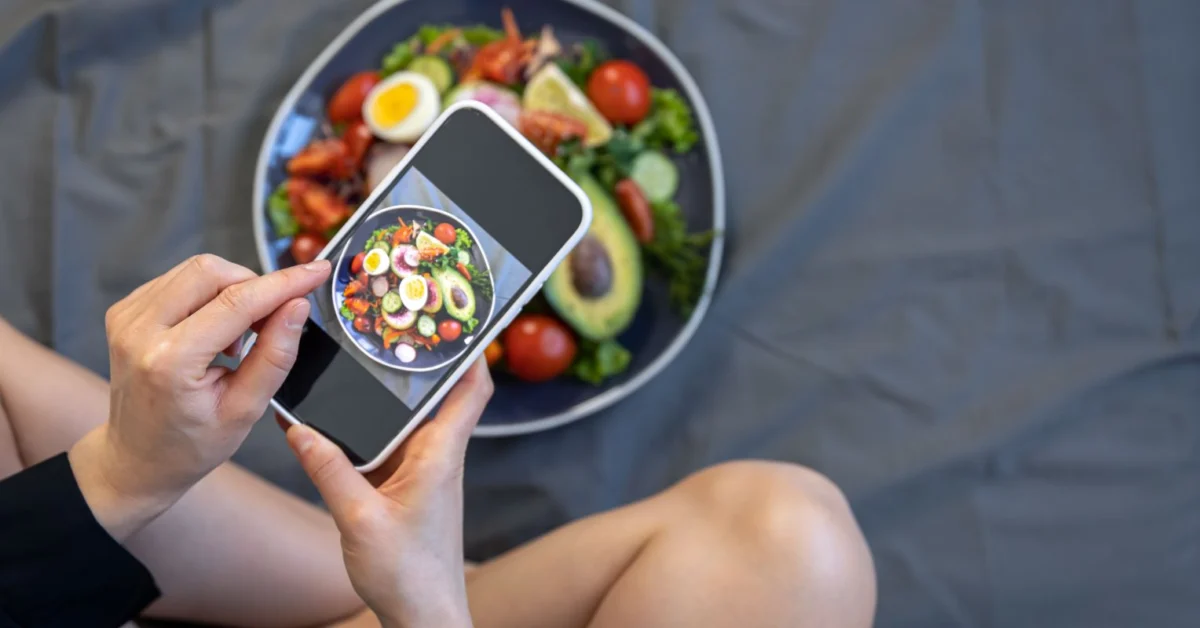
It is a familiar Sunday night ritual: the house is quiet, the week is looming, and you retreat into the glow of your smartphone. As you scroll through the infinite feed, a curated reality emerges. An influencer presents a "what I eat in a day" video—a collection of perfectly arranged, carb-free, hyper-low-calorie meals. Minutes later, another creator jokes about the necessity of wine to "survive" motherhood, while targeted advertisements for fitness programs promise a total life transformation in just three simple steps.
By Monday morning, these digital echoes manifest in the physical world. A colleague discusses a restrictive new diet; a friend shares their anxiety about "getting ready for summer"; a celebrity endorses a plant-based regimen. The message is pervasive, relentless, and increasingly dangerous: your body is a project, and it is currently failing.
Main Facts: The Anatomy of Modern Diet Culture
At its core, diet culture is a belief system that equates thinness and specific dietary adherence with moral virtue and health. While social media platforms were designed to foster connection, they have become the primary delivery systems for a culture that commodifies human insecurity.
The promise is seductive: if you buy this supplement, follow this influencer’s workout, or adopt this restrictive eating pattern, you will achieve the happiness and status displayed on your screen. In reality, this ecosystem often delivers the opposite—shame, guilt, anxiety, and a profound disconnection from one’s own physical needs. By demonizing specific food groups and promoting "wellness" as an aesthetic rather than a physiological state, the digital economy turns low self-esteem into a multi-billion-dollar profit engine.
Chronology: The Evolution of a $360 Billion Market
The rise of the "wellness" industry is not a coincidence; it is a meticulously engineered economic shift.
- The Early 2010s: The advent of Instagram transformed food from nourishment into a visual accessory. The "fitspo" (fit inspiration) movement began, shifting the focus from health to extreme physical definition.
- 2020–2022: The global pandemic saw a surge in social media usage, leading to a rise in "quarantine fitness" trends. During this period, the normalization of alcohol as a coping mechanism for stress became a staple of "relatable" influencer content.
- 2024: The wellness market reached an estimated $160 billion. This period saw the normalization of extreme, medically unverified "hacks" pushed by influencers, often without regard for the psychological toll on their audiences.
- 2025 and Beyond: Industry analysts (Finklea, 2025) project that this market will balloon to $360 billion by 2034. As the market expands, the intensity of the messaging—and the volatility of the trends—continues to accelerate.
Supporting Data: The Cost of the Scroll
The psychological impact of this digital barrage is measurable and alarming. Research consistently indicates that the more time an individual spends on social media, the higher their risk of developing disordered eating patterns.
According to data from The REACH Institute (2025), nearly half (46%) of teens aged 13–17 report a decline in self-esteem following social media exposure. Perhaps more concerning is the correlation between screen time and mental health outcomes: individuals who spend more than three hours a day on social media are twice as likely to develop eating disorders (EDs) compared to those with lower usage.
This is not merely a matter of "feeling bad." It is a systemic issue of misinformation. Influencers, often lacking any clinical training, promote restrictive eating as a path to longevity, masking the reality of their own hidden struggles—which may include extreme fasting, depression, and chronic stress.
The Overlap: Eating Disorders and Substance Use
One of the most dangerous, yet overlooked, aspects of modern wellness culture is the intersection of Eating Disorders and Substance Use Disorders (SUDs). While they may appear to be distinct issues, clinicians increasingly view them through the same lens: both are maladaptive coping mechanisms used to manage emotional pain, stress, and trauma.
The National Eating Disorders Association (NEDA, 2023) reports that 50% of individuals struggling with an eating disorder also report the misuse of alcohol or drugs. This is an interdependent relationship. Substance use can exacerbate the biological triggers for an ED, and the starvation or binging/purging cycles of an ED can strip the brain of the neurochemical stability required to resist substance dependency.
Social media platforms like TikTok and Instagram further blur these lines. By glamorizing "clean eating" alongside the "wine mom" culture or party-centric lifestyle, these platforms normalize both extreme restriction and substance misuse. This creates a dangerous feedback loop where a person may slide from one harmful behavior to another, often without recognizing that they are in the throes of a clinical crisis.
Official Responses and Clinical Perspectives
The clinical community is sounding the alarm regarding the fragmented nature of current treatment. Because EDs and SUDs are often treated by separate specialists, patients frequently find themselves in a "game of whack-a-mole," where addressing one disorder leads to the worsening of the other.
"Clinical care needs to address both together," note experts in the field (Pierce, Joy, & David, 2025). Integrative, holistic care is the only way to manage co-occurring disorders effectively. This involves not only psychological intervention but also a deep understanding of the cultural pressures that trigger these illnesses.
However, the medical system is struggling to catch up with the pace of social media’s influence. Current treatment models are often reactive rather than preventative, leaving individuals to navigate a landscape where they are bombarded with triggers while simultaneously attempting to recover.
The Deadly Consequences of Co-Occurring Disorders
We must speak plainly about the stakes. Eating disorders, particularly anorexia nervosa, carry the highest mortality rate of any mental illness. When an ED is combined with an SUD, the fatality risk does not simply add up—it compounds.
Data from Mellentin et al. (2022) indicates that co-occurring alcohol and drug use nearly quadruples the mortality risk for those with eating disorders. The combination of systemic malnutrition, organ stress, and the chemical toxicity of substance use creates a physiological crisis that the human body is ill-equipped to sustain. Furthermore, SAMHSA (2025) highlights that individuals with these conditions face higher rates of suicidal ideation and co-occurring psychiatric distress, making early intervention not just a clinical goal, but a life-saving necessity.
Implications: Reclaiming Health in a Profitable World
The path forward requires a twofold strategy: personal boundary-setting and systemic reform.
For the individual, the first step is to curate the digital environment. Recognizing that "wellness" influencers are often selling a product—not a lifestyle—is vital. If a creator’s content makes you feel less than, anxious, or compelled to restrict your intake, that account is a hazard to your health, regardless of how many followers they have.
For the industry, we must move toward an integrative model of care. The current separation of ED and SUD treatment is a systemic failure that must be addressed through interdisciplinary teams that recognize the shared biological and emotional roots of these disorders.
Finally, we must demand transparency. As the wellness industry moves toward a $360 billion valuation, there must be greater accountability for the misinformation spread by digital creators. Health is not a commodity that can be purchased in three easy steps; it is a complex, individual state of being that is often undermined by the very "solutions" sold to us on our screens.
To reclaim our health, we must first reclaim our attention. We must learn to distinguish between the aesthetic of wellness and the reality of health, and in doing so, protect ourselves from the digital forces that profit from our struggle.
References
- Dane, A., & Bhatia, K. (2023). The social media diet: A scoping review. PLOS Global Public Health.
- Finklea, K. (2025). The wrong influence: The link between diet culture and eating disorder. HopeHealth.
- Holland, G., & Tiggemann, M. (2023). Social media and body image: A systematic review. PLOS Global Public Health.
- Mellentin, A. I., et al. (2022). The impact of alcohol and other substance use disorders on mortality in patients with eating disorders. The American Journal of Psychiatry.
- National Eating Disorders Association. (2023). Statistics & research on eating disorders.
- Pierce, S., Joy, J. M., & David, A. W. (2025). Abstinence-based treatment of comorbid eating disorders. Frontiers in Psychiatry.
- SAMHSA. (2025). Breaking the silence: What everyone should know about eating disorders.
- The REACH Institute. (2025). How social media is impacting teens.
- Xi, Z.-X., & Galaj, E. (2025). Novel potential pharmacological approaches in treating eating disorders comorbid with substance use. Biomedicine & Pharmacotherapy.