









In an era where cardiovascular disease remains the leading cause of death worldwide, the search for simple, accessible, and evidence-based dietary interventions has never been more urgent. A significant new analysis, published in the open-access journal BMJ Nutrition Prevention & Health, suggests that the secret to better heart health may be found in the humble pantry staple: legumes and soy products.
By conducting an exhaustive meta-analysis of long-term observational studies across three continents, researchers have established a compelling link between the regular consumption of beans, lentils, and soy-based proteins and a significantly reduced risk of developing hypertension—the "silent killer" that affects over a billion people globally.
The Core Findings: A Dietary Prescription for Heart Health
The study represents a milestone in nutritional science, providing a clearer picture of how plant-based proteins influence vascular health. Researchers discovered that individuals who prioritized legumes and soy in their daily diets were consistently less likely to develop high blood pressure compared to those with lower intakes.
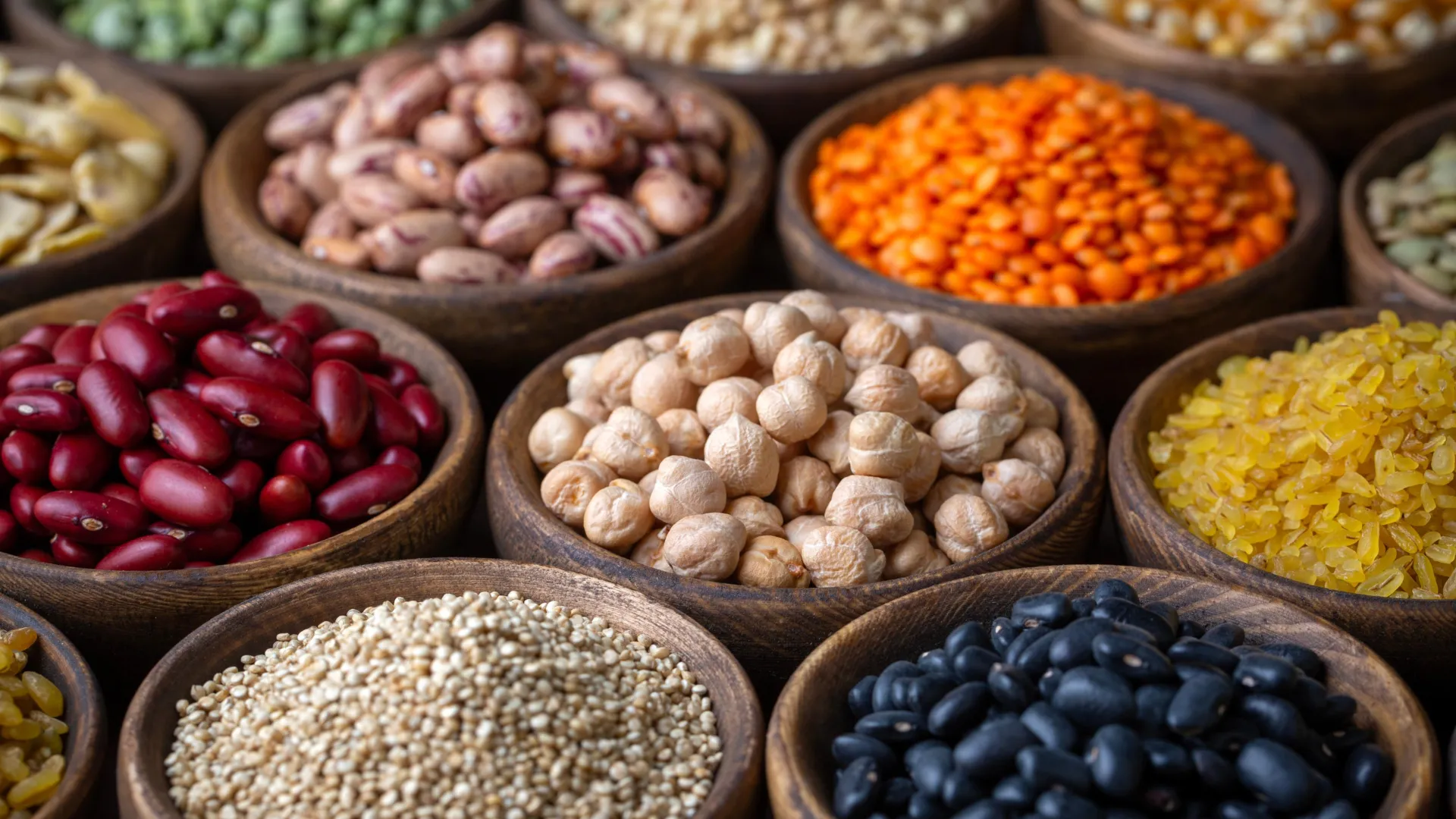
The data revealed a clear "dose-response" relationship. For legumes—a category encompassing lentils, chickpeas, and various beans—the risk of developing hypertension dropped by 16% among the highest consumers. When the researchers isolated soy-based foods, such as tofu, edamame, and tempeh, the risk reduction was even more pronounced, reaching 19%.
Perhaps most importantly for public health policy, the study identified "sweet spots" for daily intake. The protective benefits of legumes appeared to increase steadily up to approximately 170 grams per day, yielding a risk reduction of roughly 30%. For soy, the protective effect peaked between 60 and 80 grams daily, offering a 28% to 29% reduction in hypertension risk. Beyond these levels, the researchers noted a plateau, suggesting that while more is better up to a point, excessive consumption does not necessarily yield exponential cardiovascular rewards.
Chronology of the Meta-Analysis: Synthesizing Global Data
To reach these conclusions, researchers undertook a massive data synthesis effort. Historically, the relationship between plant-based proteins and blood pressure has been debated, with previous studies offering inconsistent results. To resolve these discrepancies, the team conducted a comprehensive review of literature published through June 2025.
Phase 1: Data Collection and Standardization
The meta-analysis incorporated 10 peer-reviewed papers derived from 12 long-term observational studies. The geographical reach was vast, covering the United States, Europe (specifically France and the UK), and Asia (including China, Japan, South Korea, and Iran). This diversity was crucial; by pooling data from such varied populations, the researchers were able to account for different culinary traditions and dietary patterns.
Phase 2: Analyzing the Cohorts
The scale of the study was significant. Participant numbers ranged from small cohorts of just over 1,100 to massive longitudinal studies involving nearly 90,000 individuals. Across these datasets, the researchers tracked thousands of hypertension cases—some studies identifying fewer than 150, others reporting upwards of 35,000.
Phase 3: Statistical Synthesis
By normalizing the definitions of "high blood pressure" and "intake levels" across these disparate studies, the research team was able to apply the World Cancer Research Fund’s rigorous evidence-grading criteria. Their final conclusion—that there is a "probable causal relationship" between these foods and improved blood pressure outcomes—lends significant scientific weight to the findings.
The Science of Vascular Protection: Why Legumes and Soy Work
The study did more than identify a trend; it provided a biologically plausible explanation for why these specific foods protect the heart. The mechanisms are rooted in a "synergy of nutrients" that few other food groups provide in such high concentrations.
Nutrient Density: The Potassium-Magnesium-Fiber Trio
Legumes and soy are nutritional powerhouses, dense in potassium, magnesium, and dietary fiber. Potassium is essential for balancing sodium levels in the blood, helping to relax the walls of blood vessels. Magnesium plays a critical role in regulating vascular tone, while high-quality fiber is known to improve endothelial function and lipid profiles.
The Role of the Gut Microbiome
One of the most intriguing aspects of the study involves the fermentation of soluble fiber. When legumes and soy are digested, the fiber undergoes fermentation in the gut, producing short-chain fatty acids (SCFAs). These compounds enter the bloodstream and act as signaling molecules that promote the relaxation and dilation of blood vessels, effectively lowering systemic blood pressure.
The Isoflavone Advantage
Soy foods offer a unique cardiovascular advantage through isoflavones. These plant-derived compounds act as phytoestrogens and have been shown in various studies to improve arterial stiffness and promote better blood flow. By integrating these foods, individuals are not just replacing red meat—they are actively fueling their cardiovascular systems with protective bioactive compounds.
Official Responses and Expert Commentary
The publication of this analysis has drawn praise from nutrition experts worldwide, who view it as a cornerstone for future dietary guidelines.
Professor Sumantra Ray, chief scientist and executive director of the NNEdPro Global Institute for Food, Nutrition and Health, noted that the research provides a concrete roadmap for clinicians. "The authors have significantly added to the case for using legumes and soy as primary dietary strategies to mitigate the global burden of hypertension," Ray stated. He emphasized that the dose-response analysis—identifying specific gram targets—is a "practical tool" that could revolutionize how doctors prescribe lifestyle changes for patients with pre-hypertension.
However, the scientific community remains cautious, emphasizing that correlation is not always causation. Professor Ray noted that while the findings are robust, there are "unmeasured influential factors"—such as exercise, smoking status, and overall caloric intake—that could influence the results. He also highlighted the need for more granular research into the "soy plateau," specifically whether the lack of additional benefit beyond 80 grams is a biological reality or merely a reflection of the current limitations in existing study data.
Implications for Public Health and Global Policy
The findings arrive at a critical juncture for European and Western diets. The researchers highlighted a glaring gap between current dietary habits and recommended levels for cardiovascular health.
In the UK and across Europe, average legume consumption hovers between a meager 8 and 15 grams per day. This is a fraction of the 65 to 100 grams recommended by most health authorities for optimal heart health. If the average citizen were to increase their intake even modestly toward the study’s identified targets, the potential impact on public health expenditures and mortality rates could be staggering.
Practical Application for Consumers
To put the research into perspective, the study defined 100 grams of legumes or soy as approximately one cup of cooked beans, peas, or lentils, or a palm-sized portion of tofu. Integrating this into a daily diet is achievable:
- Breakfast: A soy-milk smoothie or a savory breakfast bowl with white beans.
- Lunch: A chickpea-based salad or a tofu stir-fry.
- Dinner: Incorporating lentils into soups or stews as a primary protein source.
The Path Forward
The researchers concluded by calling for more large-scale, randomized controlled trials to confirm these observational findings. However, they stressed that the current evidence is more than sufficient to warrant a shift in public dietary messaging.
"These findings provide further evidence in support of dietary recommendations to the public to prioritize and integrate legumes and soy foods as healthy protein sources," the authors wrote.
As the world grapples with the escalating prevalence of hypertension, the solution may not be found in a high-tech pharmacy, but in the simple, sustainable, and plant-centric habits that have supported human health for millennia. By moving legumes and soy from the periphery of our plates to the center, we may have found one of the most effective and affordable weapons in the fight for a healthier, heart-conscious future.