









The landscape of the multibillion-dollar weight-loss drug market underwent a tectonic shift this week as CVS Caremark—the nation’s largest pharmacy benefit manager (PBM)—moved to neutralize a strategic advantage previously held by Novo Nordisk. By recalibrating its formulary strategy to favor Eli Lilly’s obesity medications, Zepbound and the newer oral candidate Foundayo, CVS has effectively leveled the playing field, signaling that the "GLP-1 wars" are entering a new, more aggressive phase of market access.
For investors, patients, and healthcare providers, this decision represents more than a bureaucratic adjustment; it is a fundamental reconfiguration of how the two dominant pharmaceutical giants, Novo Nordisk and Eli Lilly, will vie for market share in a sector projected to reach over $100 billion by the end of the decade.
Main Facts: A Strategic Reversal
The core of the shift lies in the formulary status afforded to Eli Lilly’s portfolio. For over a year, Novo Nordisk’s Wegovy enjoyed a distinct "preferred status" within the CVS Caremark ecosystem, a deal that acted as a significant barrier to entry for competing injectable and oral weight-loss therapies.
The recent policy change by CVS removes this exclusivity. According to industry analysts, including those at Leerink Partners, this decision effectively reverses the momentum that Novo Nordisk had cultivated since its deal with CVS was announced last year. By granting Zepbound and Foundayo broader access, CVS has significantly expanded the "addressable prescription pool" for Lilly. This change is not merely symbolic; it directly impacts the speed at which clinicians can prescribe Lilly’s newer medications without facing the friction of prior authorization or tier-based cost barriers.
Chronology: The Escalating Conflict
To understand the gravity of the current situation, one must look back at the rapid-fire succession of strategic maneuvers that have defined the obesity drug market since 2023.
- Mid-2023: The "Wegovy Supremacy" phase. Novo Nordisk secures a landmark deal with CVS Caremark, positioning Wegovy as the preferred choice for CVS-managed plans. Following the announcement, Eli Lilly’s stock experienced notable volatility as investors feared a prolonged period of limited access for Zepbound.
- Late 2023 – Early 2024: The "Aggressive Expansion" phase. Recognizing the threat of supply chain constraints and formulary hurdles, both companies pivoted to direct-to-consumer and employer-based channels. Lilly launched its "Employer Connect" program, a bold attempt to bypass traditional gatekeepers by selling directly to large corporations, effectively subsidizing access for employees.
- Mid-2024: The "Regulatory and Pricing Pivot." In an unprecedented move, both pharmaceutical giants began signaling willingness to slash prices for Medicare patients, a direct response to political pressure and the realization that the elderly population represents the largest untapped segment for GLP-1 therapies.
- Current Period: The "Market Access Realignment." CVS Caremark’s decision to remove Novo’s preferred status marks the beginning of a new era where market dominance will be determined less by exclusivity and more by pricing, clinical efficacy, and the ease of prescription fulfillment.
Supporting Data: The Foundayo Challenge
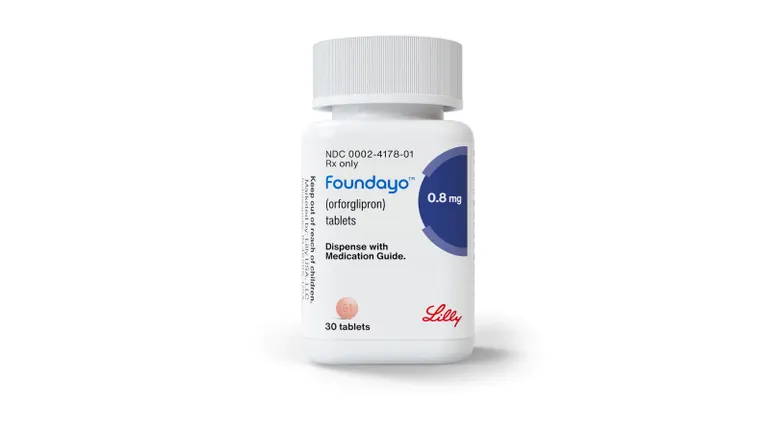
While the market has focused heavily on injectable GLP-1s, the launch of Eli Lilly’s oral medication, Foundayo, serves as a critical test case for the company’s long-term strategy.
Data provided by Leerink Partners highlights a stark discrepancy between the launch trajectories of the two companies’ oral offerings. According to analyst David Risinger, Foundayo’s initial prescription adoption pace reached approximately 30% of the trajectory achieved by the oral version of Wegovy during its first six weeks on the market.
This slower-than-expected start for Foundayo has been a source of anxiety for shareholders. The medication is viewed as the "next frontier" of weight-loss treatment, promising the convenience of a pill over the perceived barrier of a weekly injection. The fact that Foundayo has lagged behind expectations underscores the importance of the CVS decision. With expanded access now guaranteed through the PBM’s formulary, Lilly is essentially being given a "second chance" to gain traction for its oral portfolio, potentially accelerating its adoption rate to meet or exceed that of its rivals.
The Broader Battlefield: From Telehealth to Price War
The rivalry between Novo and Lilly has moved far beyond the pages of medical journals and into the realm of aggressive corporate maneuvering. Both companies have been "working every angle," as one industry observer noted, to capture the loyalty of the millions of patients currently seeking pharmacological interventions for obesity.
The Telehealth Dilemma
Novo Nordisk’s strategy has been particularly controversial. Earlier this year, the company entered into an agreement with Hims & Hers, a telehealth company that had been selling compounded, "knockoff" versions of semaglutide. While critics argued this move risked brand dilution, Novo viewed it as a necessary evil to stem the tide of unauthorized, potentially unsafe versions of its product hitting the market. It was a clear signal that Novo was willing to sacrifice some prestige to maintain its grip on the total patient volume.
Employer-Direct Channels
Eli Lilly, conversely, has leaned into a more institutional approach. By creating the "Employer Connect" channel, Lilly effectively incentivized corporate HR departments to cover Zepbound. By removing the PBM as the primary gatekeeper in these specific instances, Lilly has managed to maintain a consistent revenue stream that is less susceptible to the shifting tides of PBM formulary contracts.
Official Responses and Corporate Posturing
The reaction from the two pharmaceutical titans has been a masterclass in corporate diplomacy, balancing optimism with defensive positioning.
Novo Nordisk’s Stance:
Tom Scales, senior vice president overseeing market access at Novo Nordisk, issued a measured response, emphasizing the company’s enduring strength. "The Wegovy products will retain preferred status on CVS Caremark formularies," Scales stated. He underscored that current patients would see no disruption in their care, and he maintained that both versions of the drug enjoy "strong formulary access across the U.S. market." The company’s goal is to frame the CVS decision not as a loss of market share, but as a normalization of the competitive environment.
Eli Lilly’s Stance:
Lilly has been notably more triumphant, though cautious. By declining to engage in a war of words, the company has instead focused on the clinical data surrounding Zepbound and the rollout of Foundayo. Analysts suggest that Lilly’s leadership views the CVS decision as a validation of their multi-year investment in manufacturing capacity—a crucial factor that previously held back their launch momentum.
Implications: What This Means for the Future
The decision by CVS Caremark to rebalance its formulary is a harbinger of a broader trend: the commoditization of the GLP-1 class. As these drugs become more ubiquitous, the ability of PBMs to demand concessions from manufacturers increases.
1. Increased Patient Choice
For the average consumer, this is a net positive. Reduced friction in the prescription process means that patients and their doctors are more likely to find a treatment that works for them without being limited by the specific formulary quirks of their insurance plan.
2. Price Compression
As Novo and Lilly fight for formulary spots, the most powerful tool in their arsenal will be price. We can expect to see deeper rebates, more aggressive co-pay assistance programs, and a continued push toward value-based pricing models where pharmaceutical companies are paid based on the patient’s weight-loss outcomes.
3. The Oral vs. Injectable Debate
The next twelve months will be pivotal for the oral segment of the market. If Foundayo can leverage this new access to accelerate its growth, it could signal the beginning of the end for the dominance of injectable GLP-1s. Should the oral category prove to be as effective and as accessible as the injectables, the entire supply chain for obesity treatment will need to pivot once more.
4. Regulatory Scrutiny
Finally, the sheer scale of these drugs—and the influence PBMs like CVS exert over them—will not escape the notice of Washington. With both parties expressing interest in lowering the cost of prescription drugs, the cozy relationship between PBMs and Big Pharma will likely face increased scrutiny in the coming legislative sessions.
Conclusion
The move by CVS Caremark is a reminder that in the world of high-stakes pharmaceuticals, there is no such thing as a permanent advantage. Novo Nordisk’s reign as the "preferred" partner was a powerful tool, but in a market where demand vastly outstrips supply, the real power lies with those who can provide the broadest, most reliable access. As Eli Lilly steps into this newly opened door, the obesity drug market is poised to become more competitive, more accessible, and, ultimately, more transformative for the millions of Americans navigating the complexities of weight management.
The coming quarters will reveal whether this realignment was the catalyst for a new market leader, or merely a temporary fluctuation in a race that is far from over.