








Receiving a diagnosis of Ehlers-Danlos Syndrome (EDS) or a Hypermobility Spectrum Disorder (HSD) can feel like standing at the edge of a vast, uncharted wilderness. For many, the journey to a diagnosis is a grueling marathon of misinterpretations, medical gaslighting, and chronic, unexplained pain. As awareness grows, these conditions—once categorized as "rare"—are increasingly recognized as prevalent, systemic issues that require a nuanced, multidisciplinary approach to management.
The Landscape of Connective Tissue Disorders
Ehlers-Danlos Syndrome is not a single disease, but a group of 13 heritable connective tissue disorders. At its core, EDS involves a fundamental defect in the body’s "biological glue": collagen. Because collagen is the primary structural protein in the human body, the clinical manifestations of EDS are widespread, affecting skin, joints, blood vessels, and internal organs.
Hypermobile EDS (hEDS) stands as the most common subtype, representing approximately 90% of all cases. Other types, such as Classical EDS (cEDS) and Vascular EDS (vEDS), present distinct clinical challenges, with vEDS in particular requiring vigilant monitoring due to its association with arterial and organ fragility. Alongside these, HSD serves as a diagnostic classification for those who exhibit significant joint hypermobility and instability but do not meet the stringent criteria for specific EDS subtypes. Despite the distinction, the day-to-day challenges faced by those with HSD often mirror those of the EDS community.
A Chronology of the Diagnostic Journey
For many, the onset of symptoms begins in childhood or adolescence, yet the median age of diagnosis remains startlingly high. The typical patient trajectory often looks like this:
- The Symptom Onset: Early signs such as "growing pains," frequent joint subluxations (partial dislocations), skin elasticity, or chronic fatigue are often dismissed as normal childhood development or "clumsiness."
- The Misdiagnosis Phase: Because EDS is systemic, patients often bounce between rheumatologists, neurologists, and cardiologists. It is common for these individuals to be erroneously diagnosed with fibromyalgia, rheumatoid arthritis, lupus, or even psychiatric conditions like Munchausen syndrome.
- The Diagnostic Breakthrough: Often occurring in middle age, the "lightbulb moment" usually happens when a patient or a persistent provider connects the dots between disparate symptoms.
- The Post-Diagnosis Adjustment: This is the period of grieving the "past self"—the life lived before the realization that one’s body requires significant accommodations.
Clinical Manifestations and Associated Comorbidities
The diagnostic difficulty of EDS is compounded by its high rate of comorbidity. Because connective tissue provides the framework for the entire body, the "domino effect" of symptoms is common. Patients frequently navigate:
- Musculoskeletal Pain: Chronic, early-onset pain resulting from joint instability and muscle overcompensation.
- Dysautonomia: Conditions such as Postural Orthostatic Tachycardia Syndrome (POTS), where the autonomic nervous system struggles to regulate heart rate and blood pressure upon standing.
- Mast Cell Activation Syndrome (MCAS): A condition where the body’s immune system overreacts, leading to systemic inflammation and sensitivities to environmental triggers.
- Structural Instability: Craniocervical instability, Chiari malformations, and gastrointestinal motility disorders are frequently cited as secondary complications that significantly degrade quality of life.
Navigating the Healthcare System: A Strategic Approach
Official medical guidelines for EDS management are still catching up to the clinical reality. In the absence of a "cure," the focus shifts to a proactive, patient-led management strategy.
1. Building the Right Care Team
A geneticist is typically the gold standard for a confirmed diagnosis, particularly for ruling out life-threatening subtypes. However, the ongoing care team should ideally include physical therapists familiar with hypermobility, pain management specialists, and primary care physicians willing to engage in collaborative learning.
2. The Pillars of Physical Management
Physical activity is not an enemy to the EDS patient, but it must be approached with caution. The Muldowney Protocol—a physical therapy program specifically designed for those with connective tissue disorders—has gained significant traction for its emphasis on stabilizing joints through targeted muscle strengthening rather than aggressive stretching.
- Strength Training: Focus on low-impact resistance exercises to create a "muscular corset" that supports loose joints.
- Hydrotherapy: Swimming or water-based exercises offer the benefit of resistance without the impact of gravity.
- Footwear: Specialized arch supports can correct gait imbalances that lead to downstream pain in the knees, hips, and back.
3. Surgical Considerations
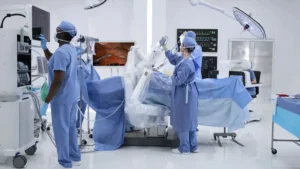
If surgery becomes necessary, the EDS patient must advocate for their specific biological needs. Standard surgical techniques may fail because the patient’s own connective tissue is prone to poor healing or dehiscence. Discussions with surgeons regarding the use of cadaver tendons or reinforcement techniques can be life-altering.
Implications for Mental and Emotional Health
The psychological toll of living with a chronic, invisible, and often misunderstood condition cannot be overstated. The cycle of pain, combined with the isolation of "looking healthy" while feeling debilitated, frequently leads to social withdrawal.
The Proactive Mindset:
- Grieving: Acknowledge that the diagnosis changes your trajectory. It is healthy to mourn the loss of physical capacity.
- Connection: Combat isolation by joining support groups. Peer-to-peer knowledge sharing—such as lists of EDS-aware doctors—is often more effective than traditional medical referrals.
- Purpose: Channeling frustration into advocacy. By sharing experiences with both the community and medical providers, patients help move the needle toward earlier detection for the next generation.
Official Perspectives and Future Directions
Medical organizations like the U.S. Pain Foundation and the Ehlers-Danlos Society are working to bridge the gap between patient experience and clinical practice. The consensus is shifting: physicians are being encouraged to listen to the "patient narrative," as the clinical history of an EDS patient is often the most reliable diagnostic tool available.
As we look toward the future, genetic research continues to advance. While hEDS remains a clinical diagnosis due to the elusive nature of its genetic marker, ongoing studies are exploring the biochemical pathways that contribute to the disorder.
A Note on Advocacy and Education
For those recently diagnosed, the most powerful tool is information. Sharing strategies, tracking symptoms, and maintaining a "medical binder" of personal health history are essential steps in reclaiming agency.
To the medical community, the mandate is clear: move beyond the outdated classification of "rare." As we see more individuals diagnosed with EDS and HSD, the healthcare system must evolve to treat the patient as a whole, rather than a collection of disparate symptoms.
Disclaimer: The information provided in this article is for educational purposes only and does not constitute professional medical advice, diagnosis, or treatment. Always seek the advice of your physician or other qualified health provider with any questions you may have regarding a medical condition. Never disregard professional medical advice or delay in seeking it because of something you have read here.