









13 May, 2026
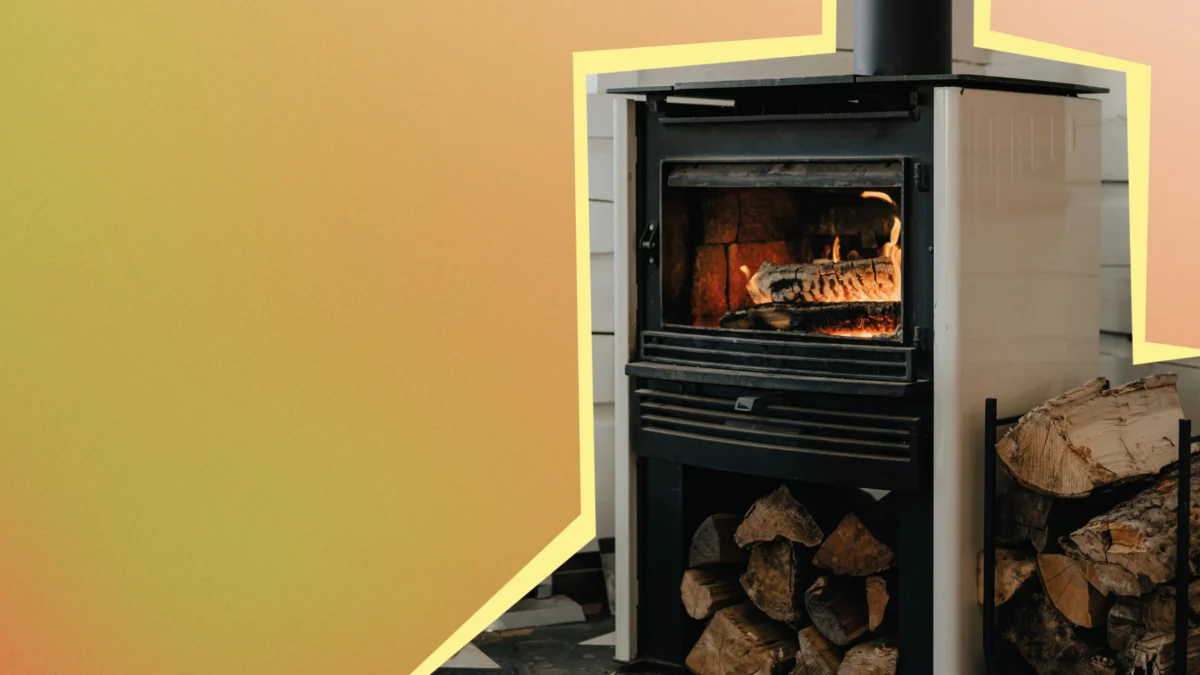
In the quiet corridors of local government across England, a battle is being fought over the very air citizens breathe. Recent investigations have exposed a calculated campaign by the wood-burning stove industry to suppress public health warnings regarding indoor and outdoor air quality. By employing legal threats, intimidating local councils, and disseminating industry-funded literature that omits critical scientific caveats, the Stove Industry Association (SIA) has effectively muddied the waters of public health discourse, leaving residents in the dark about the dangers of particulate matter.
The Investigation: A Pattern of Intimidation
A landmark investigation published in the BMJ has laid bare the aggressive tactics employed by the stove industry. By issuing Freedom of Information (FOI) requests to the 50 English councils with the highest density of wood-burning stoves, researchers discovered that nearly one-third of these local authorities reported being lobbied or directly threatened with legal action by the SIA.
The most striking instance occurred in 2023, when eight London boroughs launched a collaborative public health campaign under the banner "Careless, Not Cosy." The campaign aimed to educate residents on the health risks associated with wood burners. In response, the SIA—the trade body representing the industry—threatened the councils with legal proceedings. While no formal litigation ultimately materialized, the chilling effect was immediate. Several councils confessed to the BMJ that the mere threat of a protracted legal battle forced them to backtrack on their communication strategies, rendering them less willing to disseminate warnings about the health risks of residential wood smoke.
Chronology of a Coordinated Resistance
The struggle to regulate wood-burning stoves is not a recent development, but its intensity has spiked as scientific consensus on the dangers of PM2.5 (fine particulate matter) has hardened.
- 2023: The London borough campaign "Careless, Not Cosy" is met with formal legal threats from the SIA, prompting local authorities to withdraw or soften their messaging.
- Early 2024: The industry begins circulating an unpublished, internal literature review to councils across the UK. This document claims there is "no scientific evidence" of harm from modern stoves, despite contrary findings from global health organizations.
- Late 2024: The Lancet Countdown on Health and Climate Change releases its annual report, highlighting that household wood burning is an accelerating cause of pollution-related mortality in northern Europe, even as other sectors report declining emissions.
- Early 2025: A report by the European Court of Auditors reveals that solid fuel burning now accounts for a staggering 62% of PM2.5 emissions across the EU.
- Mid-2025: The Danish Chimney Sweeps’ Association takes a local municipality to court to overturn a ban on chimneys in new homes. The court rules against the association, but the move signals a continent-wide shift toward litigious interference in environmental policy.
- May 2026: The BMJ publishes its comprehensive findings, prompting international calls for the protection of independent science in public policy.
Supporting Data: The Hidden Cost of "Cosy"
The industry’s narrative—that modern stoves are clean and wood burning is "natural"—stands in stark opposition to a wealth of peer-reviewed data. According to the World Health Organization (WHO), there is no safe level of exposure to particulate matter. PM2.5, which consists of particles 30 times smaller than the width of a human hair, is easily inhaled and can enter the bloodstream. It is definitively linked to a litany of life-threatening conditions, including lung cancer, cardiovascular disease, stroke, and chronic asthma.
Data from the European Court of Auditors underscores the scale of the problem. Residential solid fuel burning is currently the primary source of PM2.5 in more than half of all European cities. Unlike vehicular pollution, which has seen stringent regulation and technological pivots toward electrification, wood smoke remains a "blind spot" in the public consciousness.
The industry’s internal literature review, which the BMJ obtained, is a case study in deceptive communication. While the document cited a lack of evidence for specific harms in "modern" stoves, it conveniently omitted the crucial caveat that an absence of evidence is not proof of safety. Furthermore, it failed to mention that modern stoves, while slightly cleaner than older models, still emit significant quantities of hazardous fine particles, directly contradicting the WHO’s health-based air quality guidelines.
Official Responses and the Erosion of Science
The impact of this corporate maneuvering extends far beyond the UK. Across Europe, the wood-burning lobby has successfully utilized the "carbon-neutral" label to shield itself from scrutiny. Under current EU accounting rules, wood fuel is classified as carbon neutral, a designation that has been heavily criticized by climate scientists for ignoring the long-term carbon debt created by burning biomass. This designation has acted as a regulatory "get-out-of-jail-free card," stalling the implementation of stricter emission standards for domestic appliances.
Barbara Hoffmann, Chair of the European Respiratory Society (ERS) Advocacy Council, has been vocal about the implications of these tactics. "The BMJ’s findings are a warning, not just for England but for Europe," Hoffmann stated. "When industry funds its own research and selectively presents the results, people lose access to accurate information about risks that affect their health every day."
Hoffmann emphasizes that the pattern is systemic. "We see versions of this across Europe—in lobbying on appliance standards, in the framing of wood burning as carbon neutral, and in the pressure on researchers and policymakers to soften their conclusions. Evidence-based public health communication must be protected."
Implications for Public Policy and Democracy
The implications of this industry interference are profound. When private interests are permitted to intimidate public health officials, the foundation of local democracy is compromised. If local councils—the entities closest to the citizens—are too afraid of legal retribution to inform the public about air quality, the social contract is broken.
Furthermore, the industry’s success in framing wood burning as an environmentally friendly alternative to fossil fuels creates a dangerous cognitive dissonance for the public. Many consumers invest in wood stoves believing they are making an "eco-conscious" choice, when in reality, they may be contributing to the single largest source of indoor and local outdoor air pollution.
The legal action in Denmark—where the chimney sweeps’ association attempted to block urban planning measures—serves as a harbinger of a broader trend: the use of the judicial system to stall environmental progress. By tying up municipal resources in litigation, industry groups can delay health-protective measures for years, even if the legal challenges are ultimately unsuccessful.
Moving Forward: Defending Independent Science
The ERS and the European Lung Foundation (ELF) are currently spearheading a campaign titled "Defend Science, Protect Public Health." The initiative is a direct response to the erosion of evidence-based policy. It calls upon European institutions to adopt stricter protections for researchers and to ensure that public health policy remains insulated from commercial influence.
For policymakers, the path forward is clear:
- Transparency Requirements: Mandate the disclosure of all funding sources for research used in lobbying efforts regarding public health and environmental standards.
- Legal Protections for Councils: Develop legislative frameworks that shield local authorities from "SLAPP" (Strategic Lawsuits Against Public Participation) style threats when they engage in public health education.
- Revised Accounting: Move toward a more nuanced, evidence-based classification of wood fuel that acknowledges the immediate health impacts of PM2.5, regardless of the theoretical carbon status of the fuel.
- Independent Monitoring: Shift reliance away from industry-sponsored data and toward independent, government-funded, or academic research to dictate air quality standards.
The wood-burning stove industry’s attempt to equate "cosy" aesthetics with "clean" energy has been highly effective, but it is built on a foundation of scientific obfuscation. As the death toll from air pollution continues to rise, the role of independent science as the arbiter of public health policy has never been more critical. The challenge now lies in ensuring that our air quality is determined by the data, not by the deepest pockets in the room.