










By Editorial Staff
Published May 29, 2026
The yoga studio has long been regarded as one of the few remaining "third spaces"—a sanctuary removed from the relentless scrutiny of the digital world. It is a place where students arrive to unroll their mats, exhale the stresses of the day, and turn their gaze inward. However, this sense of privacy is increasingly under siege. As social media platforms prioritize short-form video content, the presence of tripods, smartphones, and ring lights in communal practice spaces has sparked a fierce debate over the sanctity of the yoga experience versus the demands of the digital creator economy.
The Disruption of the Inward Gaze
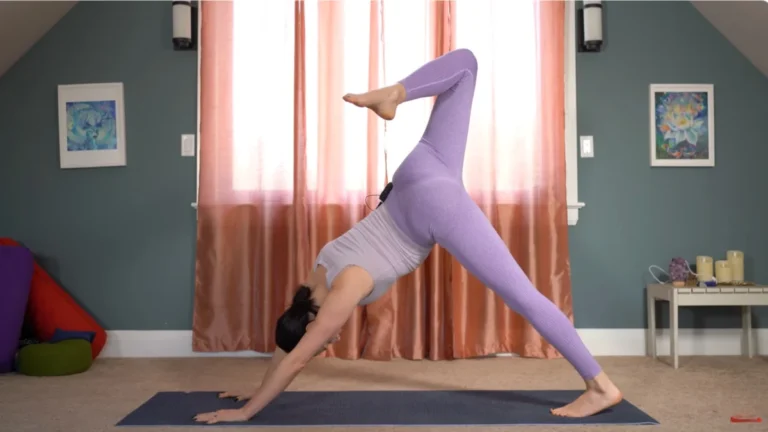
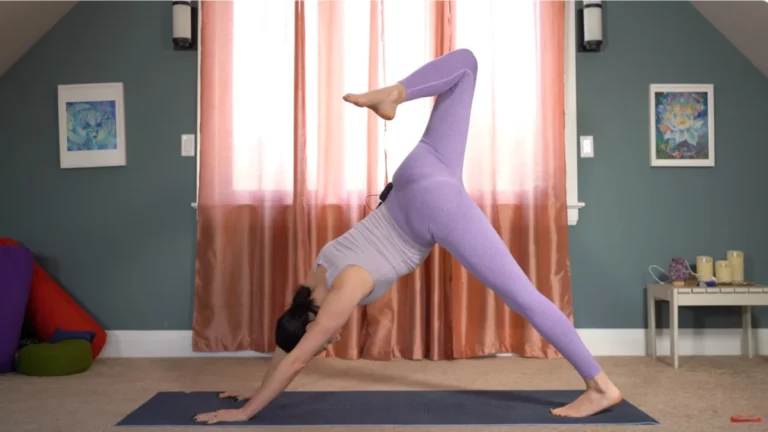
For many, the transition from the bustling outside world to the quiet of the studio is a sacred ritual. Yet, that ritual is frequently interrupted by the sight of a fellow student—or even an instructor—positioning a smartphone at the back of the room.
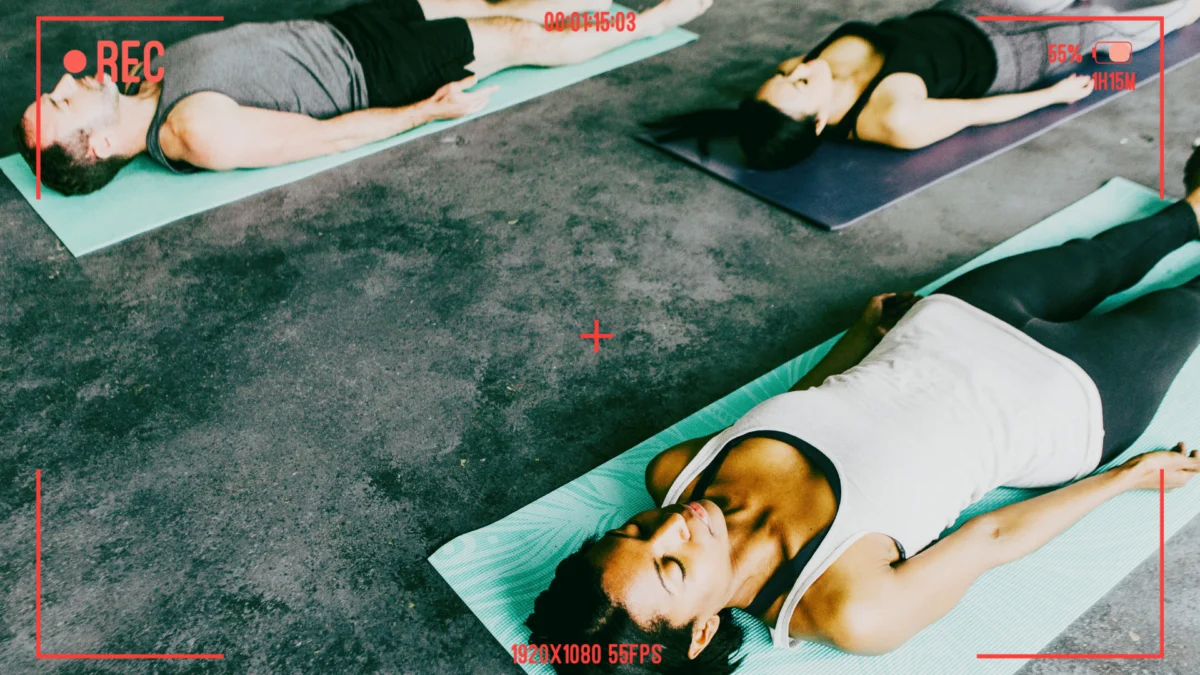
The moment a camera lens enters the space, the psychological environment shifts. Even if the device is not pointed directly at you, the mere knowledge of its presence triggers a phenomenon known as "the observer effect." Yoga is an inherently vulnerable practice; it involves stretching, sweating, and contorting the body in ways that require a complete shedding of self-consciousness. When a camera is present, the focus inevitably drifts from the internal sensation of a pose to the external perception of one’s appearance.
Students report sudden anxieties: Is my alignment correct? Does my clothing look flattering? Am I being captured in an unflattering moment? This shift from "feeling" to "performing" undermines the very foundation of yoga, which seeks to quiet the mind rather than curate it for an audience.
Chronology of a Digital Shift
The integration of filming into the yoga studio did not happen overnight; it was a gradual evolution mirrored by the rise of the "influencer" culture.
- Pre-2015: The yoga studio remained a "no-phone" zone. Photography was rare and usually limited to professional promotional material taken outside of class hours.
- 2016–2019: As Instagram grew into a dominant force for small businesses, yoga teachers began utilizing the platform to build personal brands. The "yoga aesthetic"—characterized by sun-drenched studios and perfectly posed asanas—became a marketing gold standard.
- 2020–2022: The COVID-19 pandemic forced studios to pivot to livestreaming. For a time, cameras were a necessity for survival. Students became accustomed to being on screen as the "at-home" experience merged with the studio environment.
- 2023–Present: As the industry returned to in-person operations, the habit of filming remained. What was once a tool for accessibility has morphed into a tool for social media growth, leading to current tensions between content creators and those seeking a traditional, unplugged practice.
The Tension Between Marketing and Mindfulness
The argument for filming in studios often centers on economic survival. In an era where a studio’s visibility is dictated by algorithms, short-form video reels are essential for attracting new clients. For many teachers, documenting their classes is not vanity—it is a livelihood.
"If I don’t post, I don’t get new students," says one veteran instructor who requested anonymity. "Marketing is part of the business model now. If we want the studio to stay open, we have to show the community what we do."
However, this business imperative clashes with the student experience. Data from recent industry polls suggest a growing divide. While approximately 35% of yoga practitioners feel that social media content helps them feel connected to a broader community, over 60% report that the presence of cameras in a live class makes them feel "uncomfortable," "distracted," or "less likely to return" to that specific studio.
Official Responses and Policy Shifts
Studios are currently caught in the crosshairs, forced to balance the needs of content-creating teachers with the demands of paying students who pay for privacy.
The "No-Phone" Mandate
A growing number of boutique studios have implemented "Analog-Only" policies. These studios enforce strict prohibitions on all recording devices. The logic is simple: the fee paid for a class covers the right to a private, undistracted environment. These studios argue that by banning filming, they are protecting the product they sell—an uninterrupted wellness experience.
The Hybrid Model: "Content Days"
Recognizing that teachers still need marketing assets, some studios have pivoted to "Content Days." On these specific days, the studio informs the entire roster of students that filming will take place. These classes are often marketed as "model-requested" sessions, and students who participate are frequently offered incentives, such as free class passes or community events. This transparency ensures that every person in the room has explicitly consented to being part of a recording.
The Legal vs. Ethical Dilemma
Studio owners often point to the liability waivers signed by students during onboarding. These documents frequently include clauses stating that a student’s likeness may be captured during class for promotional purposes.
Legal experts, however, caution that while a waiver may protect a business from litigation, it does not absolve them of the ethical responsibility to their community. "There is a distinct gap between what is legally permissible and what is socially respectful," notes legal analyst Sarah Jenkins. "Just because a student signed a waiver in 2024 doesn’t mean they expect their private practice to be uploaded to a global platform in 2026 without prior notice."
Implications for the Future of Yoga
The implications of this conflict extend beyond the walls of the studio. If the yoga industry continues to prioritize the "aesthetic of wellness" over the "experience of wellness," it risks alienating a core demographic that views yoga as a refuge from the constant surveillance of modern life.
The Erosion of Safety
For many students—particularly those from marginalized groups or those dealing with body image issues—the yoga studio is one of the few places they feel comfortable being vulnerable. The presence of a camera can shatter that sense of safety, effectively gatekeeping the practice for those who are not comfortable with their image being broadcasted to the public.
A Call for Studio Etiquette
Industry leaders are beginning to call for a standardized "Digital Etiquette" code. This includes:
- Explicit Signage: Clearly stating at the studio entrance whether filming is occurring.
- Opt-Out Zones: Creating designated areas of the room that are explicitly "camera-free."
- The "Between-Class" Rule: Encouraging instructors to film their content before or after class hours, using staff or willing participants, rather than interrupting the flow of a live session.
Conclusion: Reclaiming the Mat
Yoga, at its core, is a practice of presence. It is about the subtle sensations of the breath, the grounding of the feet, and the quiet observation of the mind. When we introduce the external gaze of a camera, we are no longer just practicing yoga; we are practicing the performance of yoga.
While the digital age demands visibility, the yoga studio should remain a sanctuary where we can be unseen. By finding ways to accommodate the needs of modern creators without sacrificing the peace of the student body, studios can preserve the integrity of the practice. The challenge for the coming years is not to reject technology, but to ensure that our tools serve the practice, rather than the practice serving our tools. As we move forward, the most valuable amenity a studio can offer may no longer be a high-end locker room or a trendy location—it may simply be the promise of being left alone.